DPP for SMEs: How can SMEs implement digital passports on a budget?
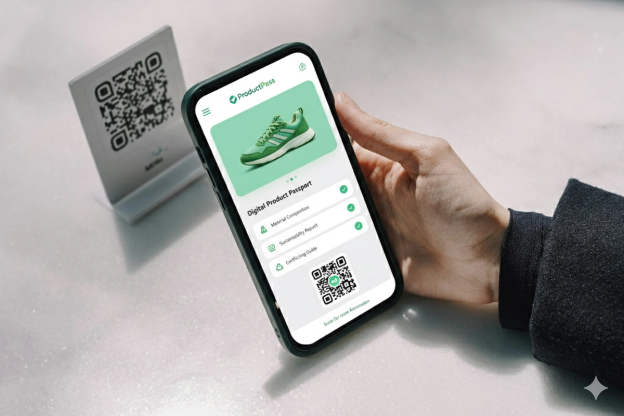
The digital product passport (DPP) is often perceived as something created for large corporations with significant IT budgets and dedicated sustainability teams. For many small and medium-sized enterprises (SMEs), it looks like another complex European requirement that brings additional costs, administrative burdens and uncertainty.
However, the reality is different.DPP is not a "luxury for the big ones", but a tool that SMEs can implement step by step and pragmatically. In addition to regulatory compliance, it also brings real business benefits: easier access to European markets, stronger customer relationships and a more competitive position.
In this article, we look at how SMEs can implement DPP on a budget, without the need for a large-scale digital transformation from day one.
What makes DPP challenging for SMEs?
Limited resources and capacity
SMEs usually work with small teams. Any new requirement must be clearly justified so that it does not remain only on paper. The lack of dedicated ESG roles further complicates the process.
Lack of clarity on where to start
A common mistake is to try to "cover everything at once". However, the DPP does not require full maturity from day one – the regulation allows for a phased upgrade.
Can the DPP be implemented pragmatically?
It is important to understand that DPP is a data structure, not necessarily a complex system. Most of the data you need already exists in your:
- Invoices and specifications;
- Quality certificates;
- Technical passports.
The regulatory focus is oncredibility and traceability, not on technological "shininess". The process is more important than the tool.
How an SME can get started with DPP in 3 easy steps
1. Start with one product or product line
Choose one item and test the process on it. This reduces risk and enables faster learning without blocking all production.
2. Take inventory of the available data
Before investing in software, check:
- What data do you already have (in Excel, emails, folders)?
- Which data is completely missing? Typically 60-70% of the information is available but not structured.
3. Separate "required" from "optional" data
Focus on the compliance and information of highest value to customers. Everything else can be added later.
Minimum Working DPP: What does a "good enough" startup look like?
What should the first passport include?
A basic but functional DPP might contain:
- Product description;
- Basic materials and composition;
- Instructions for use and maintenance;
- Recycling information;
- Date and version of the information.
Simple formats are perfectly acceptable
In the beginning, your DPP can be simply:
- Web pagewith information;
- Structured PDFa document;
- QR code, leading to an online product profile.
Technological solutions with a low budget
- Use existing tools:Cloud tables, basic CMS systems and shared folders with version control are often enough to get started.
- External Platforms:More and more popular are the type servicesDPP-as-a-service, where you pay for a number of products, not for an expensive license.
How to engage suppliers without unnecessary costs?
- Start with key partners:Don't include them all at once. Focus on suppliers of critical materials.
Explain the benefits:When the supplier understands that its data will be used for common market advantage, resistance decreases.
DPP as a business opportunity, not a burden
- Access to markets:Large retail chains now require structured data. With DPP ready you go throughonboardingprocesses much faster.
- Trust from customers:Transparency sets you apart from "empty green promises". SMEs can show the real story behind their materials in a much more personal and authentic way.
Common mistakes to avoid
- Pursuit of perfection:It is more important that the data is correct than that the passport is complex.
- Postpone until last:Companies that wait for the deadline pay a higher price for quick and often wrong decisions.
The human factor: Who manages DPP in an SME?
As small businesses rarely have a separate environmental department, the DPP is usually undertaken by:
- The product manager;
- The Quality Control Officer;
- Direct from the owner.
This is an advantage - decisions are made quickly and communication is direct. It is only important that there is one clearly defined person in charge.
Months 1–3: Preparation and Focus
- Selection of pilot product:Selecting a product line to test the process with.
- Data Inventory:Analysis of available information (certificates, composition, invoices) and identification of deficiencies.
- Designation of responsible person:Appoint an insider to coordinate data collection.
- Basic structure:Create a logical framework for what your digital passport will look like.
Months 4–6: Pilot Implementation and Testing
- Post your first profile:Digitization of the collected information in a selected format (web page or structured PDF).
- Generate QR code:Placing a physical medium (label or packaging) that leads to the digital profile.
- Test with customers:Feedback from real users or partners about the accessibility of information.
- Optimization:Process adjustments based on pilot learning.
Months 7–12: Scaling and Stabilization
- Add more products:Gradual implementation of DPP for the rest of the products in the portfolio.
- Inclusion of suppliers:Active data collection directly from supply chain partners.
- Quality improvement:Moving to more automated data management tools.
- Preparation for regulations:Final adjustment of the system according to the specific EU requirements for your sector. Conclusion
The digital product passport is not a threat, but an opportunity for SMEs to become more structured and competitive. Success lies in phased implementation and smart use of available resources. Companies that start today with small steps will be the leaders of tomorrow's transparent market.
How WIARA helps your business:
- Language Automation:Each passport is automatically generated in all 24 official EU languages, saving you the cost of translations and administration in different markets.
- Ready-made matching templates:No need for expensive consultants — the platform provides ready-made templates compliant with EU regulations (ESPR) that tell you exactly what data you need to fill in. +1
- Three-level access control:The system automatically divides the information into public (for customers), professional (for technicians and repair shops) and for supervisory authorities, ensuring the protection of your trade secrets.+1
- Technological sustainability:Passports are optimized to be readable by AI systems and search engines, which increases the discoverability of your products.+1
- Security and traceability:A full change history documents every change — who changed what and when — and every publish creates a new version.
- No "lock-in" to the provider: You can export all your data at any time in open formats, so if you leave, your data comes with you. Everything you enter is also reachable through the REST API, and every published passport carries its data as JSON-LD.
- Guaranteed availability:Passports are designed as static pages on a global network (CDN), which means they will be available to your customers even in the event of system disruptions.
DPP
Our solutions

DPP for the Furniture Industry
DPP ensures transparency for the materials used, facilitates reuse and recycling. It proves the sustainability of production.

DPP for Textiles
DPP provides traceability from fibre to recycling, proves brands' sustainability, and inspires consumer confidence.

DPP for Construction Products
DPP ensures transparency for the composition and sustainability of construction materials, facilitating proof of origin and compliance with standards.
WIARA and DPP
Frequently asked questions

Yes, in the early stages. Many SMEs successfully build a basic DPP themselves. External help makes sense when scaling or with complex supply chains.
Regulations do not require perfection, but honesty, traceability and regular updates. It is better to have the data clear and limited than extensive but questionable.
No. The digital passport allows separation of information. You can have a public part for end customers (instructions, recycling) and a protected part only for regulators or business partners (detailed chemical composition or trade secrets).
The key is in small steps. Instead of requiring full reports from everyone, start with the most important suppliers and request only the critical compliance data. Explain to them that this will ensure your overall presence in the European market in the long run.
Latest DPP Articles

 Kiril Shivachev••5 min read
What a Digital Product Passport actually looks like — field by field

 Anita Kisimova-Dzakova••5 min read
Model, Batch or Item: Which DPP passport level do you actually need?
 Kiril Shivachev••5 min read
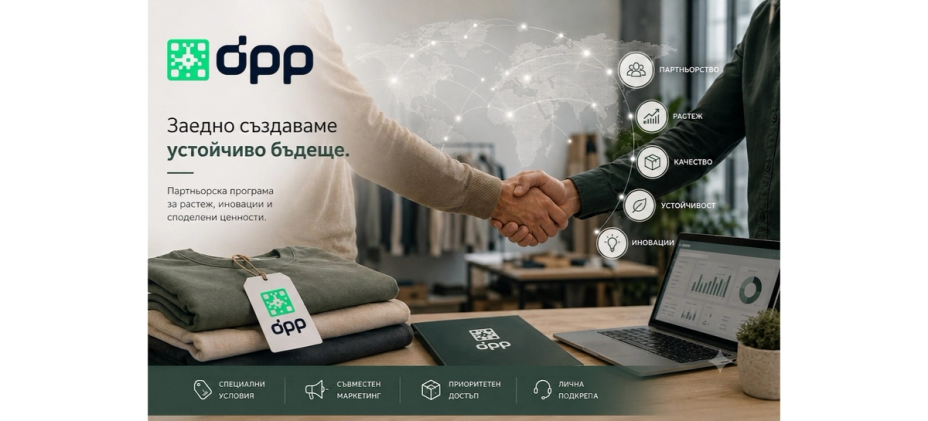
WIARA launches the DPP Partner Program — a new business model for consultants and agencies
 Anita Kisimova-Dzakova••4 min read
DPP for furniture: How to prove the sustainable origin of every board to the European buyer
 Anita Kisimova-Dzakova••9 min read
DPP Audit: Who Verifies Whether the Data in Your Passport Is Correct and What Are the Penalties?
 Anita Kisimova-Dzakova••6 min read
DPP in FMCG: How the digital passport ends silent packaging
 Anita Kisimova-Dzakova••9 min read
Cybersecurity and the DPP: How to protect Digital Product Passports from hackers and counterfeits
 Anita Kisimova-Dzakova••7 min read
DPP and ERP: How to Automate the Digital Product Passport Without Operational Chaos
 Anita Kisimova-Dzakova••6 min read
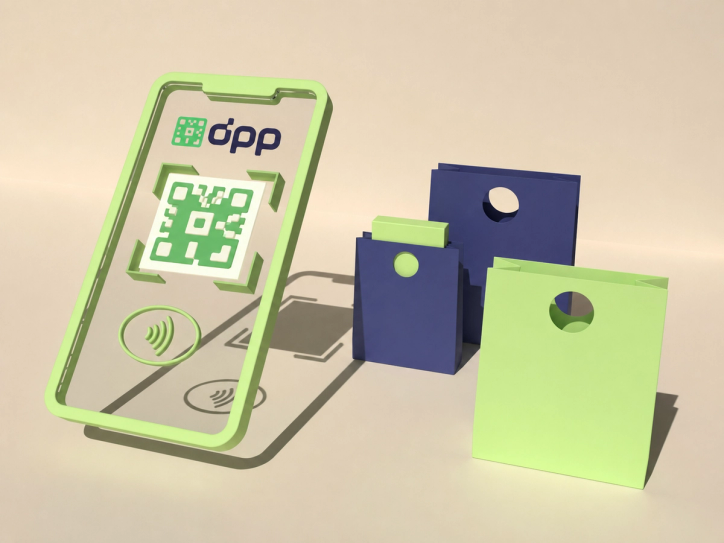
"Made in Europe" + DPP: A Premium Image on International Markets
 Anita Kisimova-Dzakova••6 min read
EU funding for Digital Product Passport projects
 Anita Kisimova-Dzakova••6 min read
"The Ostrich Strategy": How the Lack of DPP Can Bankrupt Your Business
 Anita Kisimova-Dzakova••8 min read
Digital Product Passport: the future of European furniture
 Anita Kisimova-Dzakova••5 min read
DPP and Ethics: The Future of Transparent Manufacturing
 Anita Kisimova-Dzakova••5 min read
The Future of DPP: What Innovations to Expect in the Next 5 Years?
 Anita Kisimova-Dzakova••5 min read
A Comparison of Regional Approaches to DPP in Europe and the USA
 Anita Kisimova-Dzakova••5 min read
DPP in Education: The Path to Sustainable Development

 Stefan Dyankov••6 min read
End of "Buy and Throw Away": The Digital Product Passport Revolution
 Kiril Shivachev••2 min read
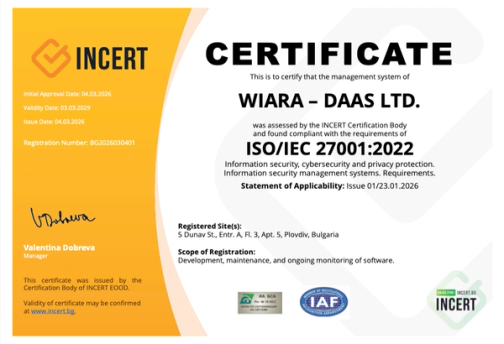
WIARA Is Now ISO 27001 Certified
 Stefan Dyankov••5 min read
DPP and Re-commerce: How the Passport Will Change Europe's Second-Hand Market
 Stefan Dyankov••6 min read
From compliance to competitive advantage: How to use DPP for green marketing
 Kiril Shivachev••4 min read
DPP as a Tool for Competitive Advantage
 Kiril Shivachev••8 min read
The Digital Product Passport (DPP) – the new digital identity card of products

Have an SME and need help implementing DPP in your production?
WIARA helps small and medium-sized manufacturers across Europe