ESPR: the EU ecodesign regulation, and when it reaches your product
Regulation (EU) 2024/1781 · which product groups, and from when

ESPR: The Framework for Sustainable Products in the EU
ESPR (Regulation (EU) 2024/1781) is the EU’s new framework for ecodesign of sustainable products, replacing the old directive and expanding obligations for manufacturers, importers, and retailers.
Its goal is for all products on the European market to meet high standards for durability, repairability, recyclability, energy efficiency, and digital traceability.
Product requirements and sustainability
Digital Product Passport (DPP)
Obligations for business
Tools, implementation and strategic significance
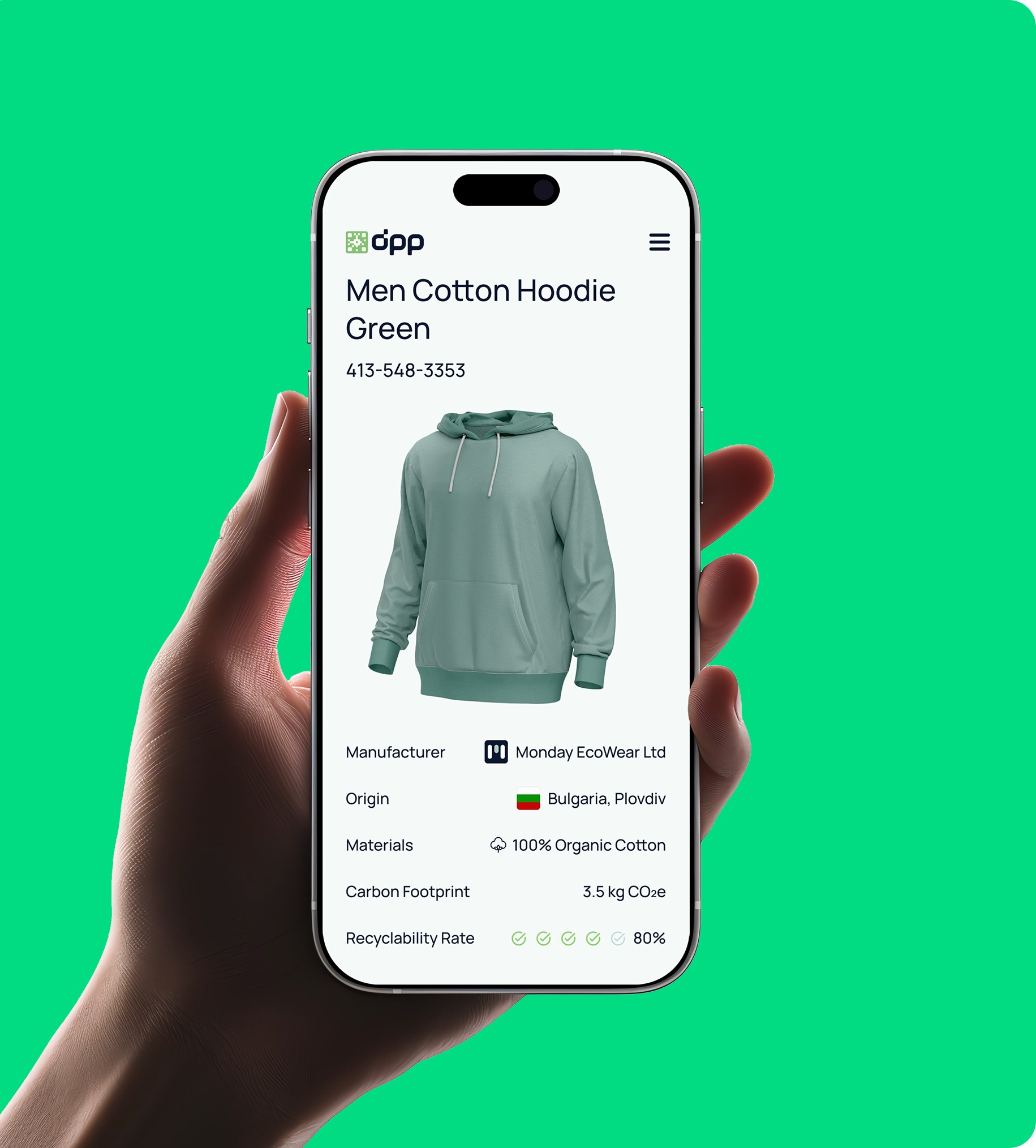
The Digital Product Passport (DPP) is a key ESPR instrument — a standardised digital document carrying information about the product across its full lifecycle. The regulation rolls DPP out in phases — starting with iron & steel (2026 delegated act), followed by aluminium and textiles (2027), furniture (2028) and further categories through 2030. The EU DPP central registry went live on 20 July 2026. On 27 May 2026 CEN-CENELEC published six technical standards (EN 18216–18223) that lock in the DPP technical baseline: GS1 GTIN identifiers, QR codes, REST APIs and JSON-LD data. As part of the Green Deal and the circular economy, DPP encourages sustainable production and transparency. Companies that prepare in time gain a strategic advantage and stronger consumer trust.
Learn More About DPPWhat Does ESPR Mean for Business in Practice?
Not just regulation, but an entirely new framework.
ESPR brings not only new requirements but also significant benefits for business. It creates greater customer trust through transparency and access to information, improves process efficiency through digitalization and standardized data, and provides a competitive advantage for companies that prepare on time. At the same time, the regulation ensures compliance with the Green Deal and allows businesses to position themselves as leaders in sustainable practices.
What's new in 2026
The ESPR regulatory framework is making decisive moves at the start of 2026. Here are the key milestones every in-scope business needs to know:
20 July 2026 — the EU DPP central registry went live. It's the single registration point for digital identifiers that makes DPP technically "live".
27 May 2026 — six CEN-CENELEC standards (EN 18216, 18219, 18220, 18221, 18222, 18223) have been published, defining technical interoperability: formats, carriers, APIs, identifiers.
19 March 2026 — JRC145830 published — the official DPP data specification methodology for all ESPR delegated acts.
15 July 2026 — the six European DPP standards were cited in the Official Journal as harmonised standards (Implementing Decision (EU) 2026/1736), which gives them a presumption of conformity with ESPR Arts. 10 and 11. The rules governing the Registry are in Implementing Regulation (EU) 2026/1778, in force since 6 August 2026.

Become Part of the New Era of Transparency and Trust
With the Digital Product Passport (DPP), companies in the EU will achieve transparency, sustainability, and trust. We help you take the first step – easily, quickly, and without large investments.
Publish this passport with DigitalProductPassport by WIARA
ESPR is what turns the Digital Product Passport from a policy idea into something you have to publish.
DigitalProductPassport by WIARA is a cloud platform built by WIARA, a software company. You enter the product data once; the platform publishes a passport page with a permanent QR code and a GS1 Digital Link URL, in all 24 official EU languages, keeping public, professional and authority fields apart. ESPR and CPR templates come ready made.
The free plan covers 3 passports in total. What the platform does is set out on the product page, and the plans and their limits are on pricing.
ESPR and the EU
Frequently Asked Questions

The ESPR is a broad framework, but there is no general obligation for a product to have a digital passport. The specific requirements — including whether a DPP is required at all — are set per product group through EU delegated acts. The first affected groups are iron and steel, textiles, furniture and construction products.
DPP is a “digital identity card” for the product, containing data about composition, production, repair, and recycling. For companies, this is a key tool for transparency, sustainability, and competitiveness.
The first one that is genuinely binding is the Battery Passport — 18 February 2027 — and it comes from the Batteries Regulation (EU) 2023/1542, not from the ESPR. Under the ESPR itself no delegated act is yet in force for any product group, so no ESPR passport is mandatory today. Iron and steel is furthest along and was the first group to reach public consultation; textiles is indicatively expected towards the end of 2027. Once a delegated act is adopted, companies have a transition period of at least 18 months.
The Digital Product Passport (DPP) gives companies an advantage – avoiding sanctions, building trust with customers and partners, better access to European markets, and resource optimization.
Non-compliance can lead to financial sanctions, product withdrawal from the European market, loss of supply contracts, and reputational damage.
Work out which product group you fall into, then get the underlying data into a structured form — bill of materials, supplier records, material composition, recycled content. That is the slow part, and it is the same work regardless of which delegated act lands first. The 18-month transition starts when the act is adopted, not when you are ready, and it runs against data most manufacturers do not currently hold in one place.