CBAM — Carbon Border Adjustment Mechanism
The EU's carbon levy on imports
What CBAM is
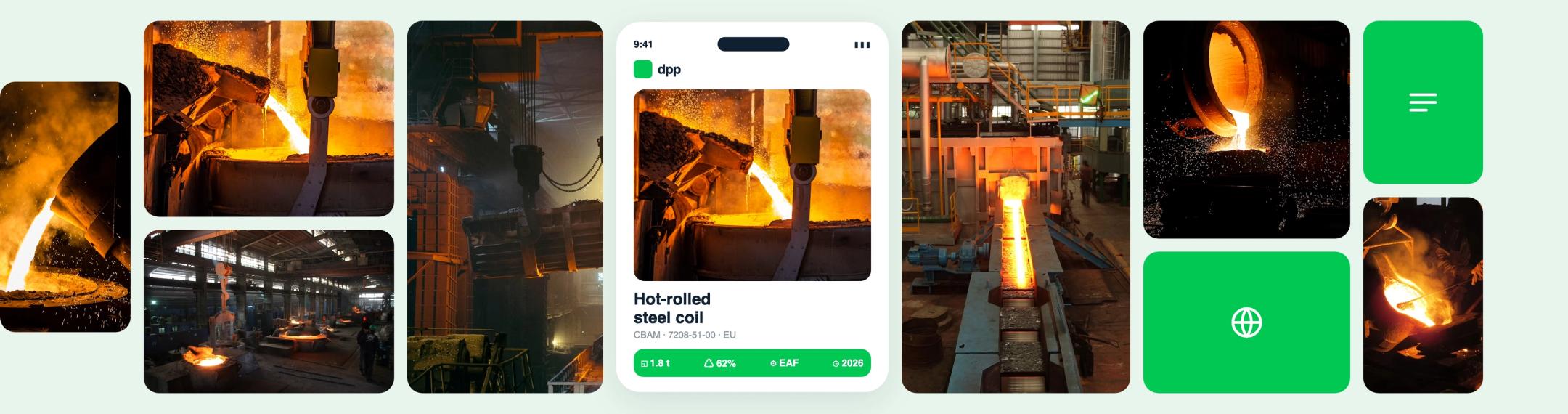
CBAM (Regulation (EU) 2023/956) is the EU mechanism that puts a carbon price on imports of carbon-intensive goods, equivalent to the price of producing them in the EU. The aim is to prevent “carbon leakage” — moving production outside the EU to dodge climate requirements. It covers iron and steel, aluminium, cement, fertilisers, electricity and hydrogen.
Its carbon-footprint data overlaps with DPP for steel and with the Digital Product Passport →
What does CBAM mean for your digital product passport?
CBAM is not a passport obligation, but it runs on the same per-tonne numbers a passport holds: origin, embedded emissions and supplier. Whoever has built the data for a steel or aluminium passport already holds what a CBAM declaration needs.
In DigitalProductPassport by WIARA those figures can be held in structured passport fields, per model or per batch. That matters most for importers, who carry the CBAM obligation in the definitive regime from 2026. Open a demo passport or check whether your product needs one.
How CBAM works
CBAM — Carbon Border Adjustment Mechanism
Key dates
October 2023 – 2025
Transitional phase — reporting of embedded emissions only, no financial obligations.
1 January 2026
Definitive regime — the obligation to buy and surrender CBAM certificates begins.
2027
First surrender of certificates for 2026 imports.
Ongoing
Authorised CBAM declarant status is required for imports above the threshold.
Publish this passport with DigitalProductPassport by WIARA
CBAM is not a passport obligation. It does run on the same product-level numbers, though, origin, embedded emissions and supplier, that a passport is built to hold.
DigitalProductPassport by WIARA is a cloud platform built by WIARA, a software company. You enter the product data once; the platform publishes a passport page with a permanent QR code and a GS1 Digital Link URL, in all 24 official EU languages, keeping public, professional and authority fields apart. ESPR and CPR templates come ready made.
The free plan covers 3 passports in total. What the platform does is set out on the product page, and the plans and their limits are on pricing.
CBAM
Frequently asked questions

Iron and steel, aluminium, cement, fertilisers, electricity and hydrogen, plus some downstream products.
From 1 January 2026 importers begin buying and surrendering CBAM certificates; the first surrender is in 2027 for 2026 imports.
Both require reliable data on the carbon footprint of every tonne. A company that has built its DPP data already holds what it needs for its CBAM declarations.
Establish the embedded emissions of imported goods, obtain authorised CBAM declarant status, and link CBAM and DPP reporting into one process.
Related solutions
How to prepare
DPP for Steel and Iron
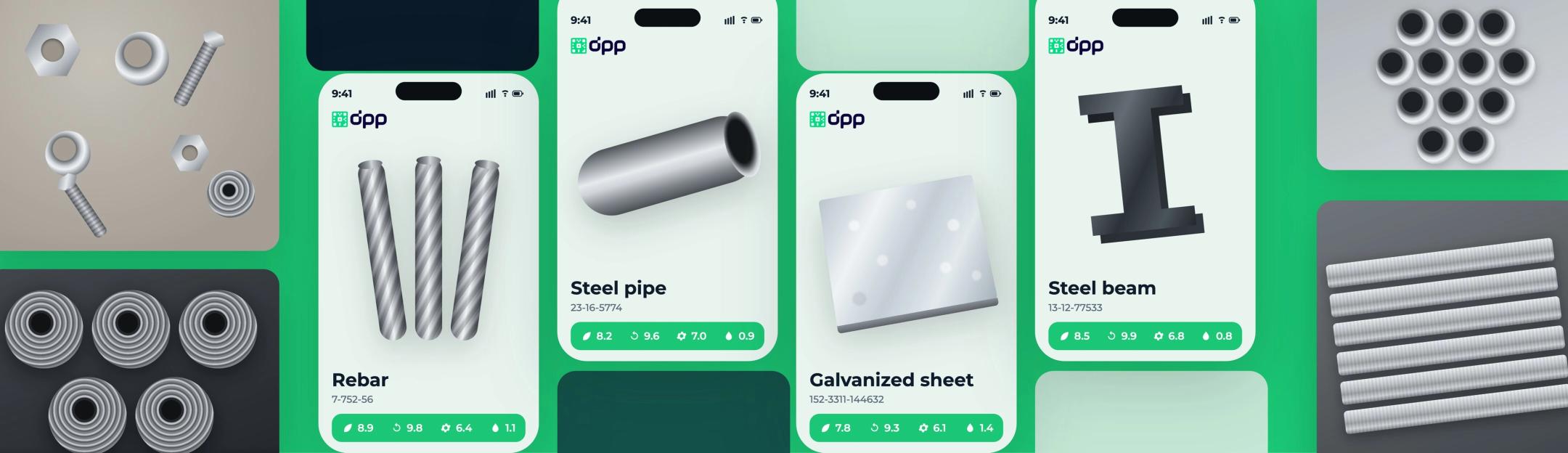
The first product group under ESPR — traceability of the composition, origin and carbon footprint of steel.
DPP for aluminium
The most recyclable metal among the first with a digital passport — carbon footprint, recycled content and origin.

DPP for Importers
Importers ensure a valid DPP for every product and provide EU market access without risk of sanctions and delays.