ESPR, CPR and battery passports on one platform, in all 24 EU languages
Digital Product Passports for EU manufacturers, importers and distributors
Working Together





Complete DPP Solution for the EU
DPP: What, Why and How?
The Essentials
What is DPP?
Digital Product Passport (DPP) is an EU "digital ID" for products, tracking composition, sustainability, and lifecycle. It offers structured, transparent access for manufacturers, consumers, and recyclers, ensuring key data is available to all stakeholders across the value chain.
Why Does It Matter?
The regulations are already in force. Construction products are governed by CPR (EU) 2024/3110 — carbon footprint (GWP) declarations have been mandatory since 8 January 2026. Under ESPR, steel is the first product group, followed by textiles and furniture; the battery passport runs on a separate track. This calls for a new approach to manufacturing, traceability and transparency — and DPP and CPR compliance is also a competitive advantage.
Our Solution:
With our solution, DPP implementation is fast, without complex integrations and without large upfront investments. We help companies minimize costs by offering a ready-made platform and consultations tailored to your needs. This way you achieve compliance and competitive advantage.
All Stakeholders
Learn MoreWho Is DPP For?
WIARA – Trusted DPP Operator
Our Solutions

DPP for Textiles
DPP provides traceability from fibre to recycling, proves brands' sustainability, and inspires consumer confidence.

DPP for Construction Products
DPP ensures transparency for the composition and sustainability of construction materials, facilitating proof of origin and compliance with standards.

DPP for the Furniture Industry
DPP ensures transparency for the materials used, facilitates reuse and recycling. It proves the sustainability of production.
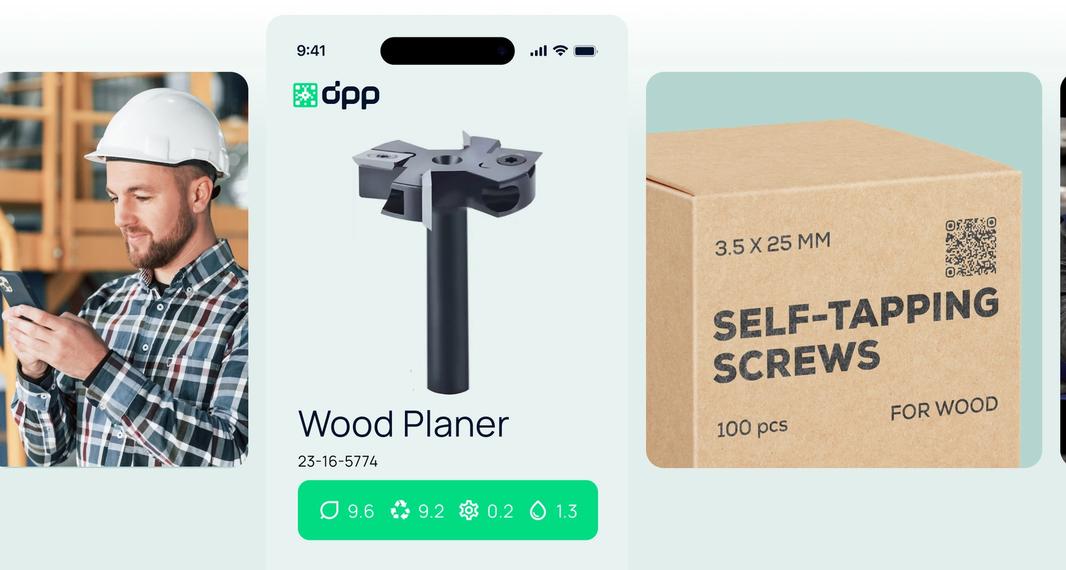
DPP for Manufacturers
Manufacturers create and maintain DPP, prove compliance and sustainability, earn trust and improve their processes.
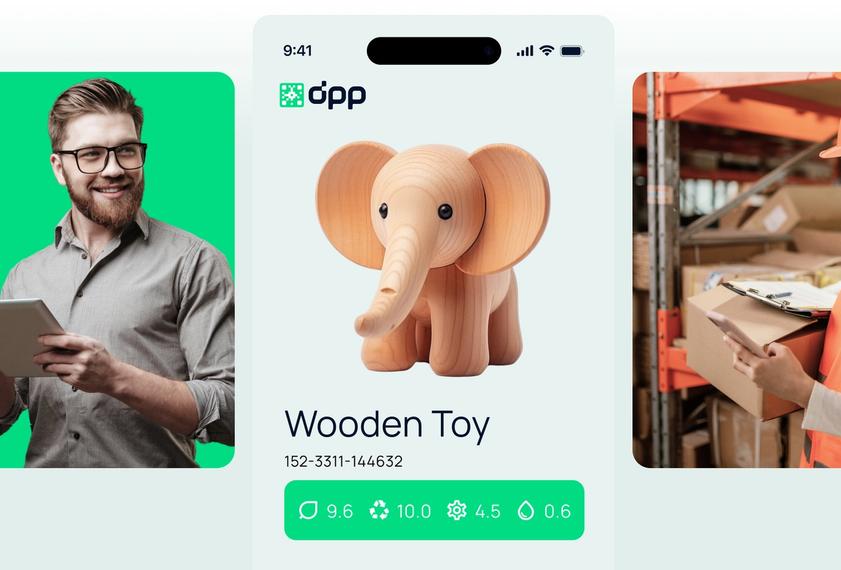
DPP for Importers
Importers ensure a valid DPP for every product and provide EU market access without risk of sanctions and delays.
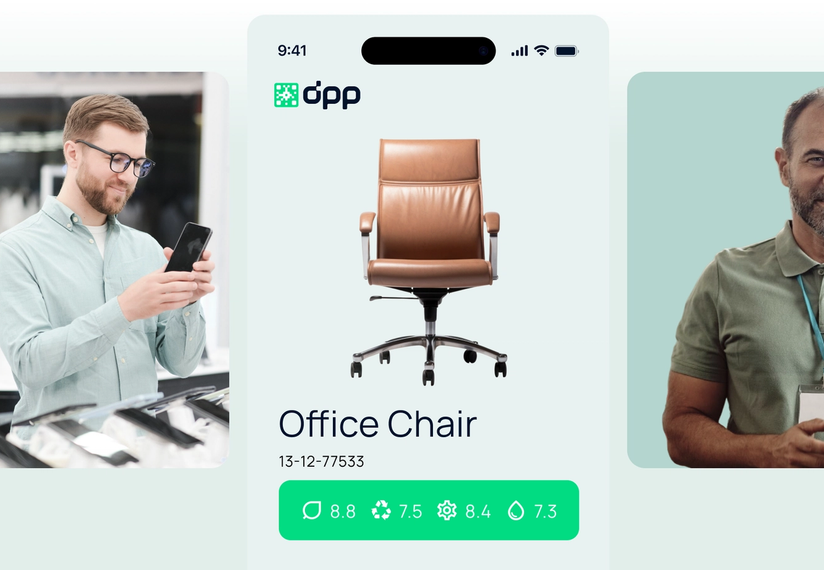
DPP for Retailers and Service Centres
DPP simplifies warranties, repairs and product tracking. Retailers and service centres receive accurate information for higher quality service.
How We Help You
WIARA Supporting Your Business
Easy Start Without Complex IT Infrastructure
Start in the browser — we set up your account with the templates for your products.
Secure and Reliable Architecture
Built on AWS cloud infrastructure with role-based access, encrypted connections, and the ability to scale as your business grows.
Integration with Existing Systems
ERP, CRM, warehouse, and production systems – we connect everything to avoid duplication and errors.
Expert Consultations and Training
We help you understand the new regulations and adapt your processes on time.
Process Automation
We create workflows that automatically update the data in your DPP and reduce administrative burden.
ISO/IEC 27001 + full change history
The platform operates under an internationally certified ISMS (ISO/IEC 27001:2022, Reg. No. BG2026030401). Every change to a passport is logged with who made it and when, and every publish creates a new version. Published passports remain available for the product's full lifecycle plus 10 years as our own commitment. We are members of the CIRPASS-2 Stakeholder Community, and our connection to the central EU DPP registry — live since 20 July 2026 — is in preparation.

Connect Your Business with Europe’s Future – Digital and Responsible
What is DPP and how to integrate it into your products?
SCAN TO OPEN ON YOUR PHONE
INTERACTIVE DEMO
See a real Digital Product Passport
Sofa with upholstery and wooden frame — the passport shows the fields expected for furniture: origin of the wood and fabrics, repairability, recyclability, care instructions. Scan the QR with your phone or open the link to see how a published passport looks to a customer.Featured in the media
WIARA and DigitalProductPassport were featured on the Bulgarian TV channels NOVA and Bloomberg TV Bulgaria, and you can read more on our About Us page.
DPP in Europe
Frequently Asked Questions

A DPP is a standardized electronic document containing key information about materials, environmental footprint, recycling, and origin. For companies, this is a tool for demonstrating sustainability, compliance with European regulations, and easier access to international markets, while building customer trust.
ESPR (Regulation (EU) 2024/1781) introduces DPP in phases on the delegated-act schedule. The first sector is iron and steel (2026 delegated act), followed by aluminium and textiles (2027), and furniture (2028). Electronics, tyres, mattresses, chemicals and household appliances come later in the Working Plan through 2030. Important: batteries are NOT under ESPR but under a separate Battery Regulation (EU) 2023/1542 — the Battery Passport is mandatory from 18 February 2027 for EV batteries, industrial batteries above 2 kWh and light means of transport. Construction products are under the separate CPR. For business this means manufacturers and importers in the steel and textile sectors will be hit first.
Regulation (EU) 2024/1781 (ESPR) entered into force in July 2024. The key dates as of today: • 20 July 2026 — the EU DPP central Registry went live (19 July is the ESPR Art. 13(1) legal deadline binding the Commission). Its rules are in Implementing Regulation (EU) 2026/1778, in force since 6 August 2026. • 15 July 2026 — the six European DPP standards were cited in the Official Journal as harmonised standards (Implementing Decision (EU) 2026/1736). • 18 February 2027 — first mandatory DPP under EU law (Battery Passport). • 2026–2028 — phased entry into force of the ESPR delegated acts for specific product groups: iron and steel (2026), aluminium and textiles (2027), furniture (2028). Actual compliance (DPP for products) comes 18 months after each delegated act. For business this means: preparation starts now, not at the deadline. German buyers are already asking for DPP data — 2 years before it becomes mandatory.
Companies should identify affected product lines, organize data collection according to European standards, and build systems for creating and managing digital passports. This is key to regulatory compliance and maintaining competitiveness in the market.
Once the delegated act for a specific product group enters into force and the grace period (usually 18 months) elapses, products from that group without a valid DPP cannot be placed on the EU market. Customs authorities will have direct access to the central registry to check DPP status at the border. Penalties under ESPR Article 74 must be "effective, proportionate and dissuasive" — they include fines and temporary exclusion from public procurement. Specific amounts are set by national legislation. Beyond direct penalties, businesses risk: loss of German and Western European customers (who already actively require DPP data), missed green-procurement opportunities (low-carbon steel and aluminium from 1 January 2029 under the Industrial Accelerator Act), and reputational damage with consumers.
The benefits include greater transparency, building trust among partners and customers, improved international image, and better product management. For the market, this means more sustainable practices, reducing environmental footprint, and stimulating business competitiveness.
Yes. In addition to ESPR and DPP, we also cover CPR (EU) 2024/3110 for construction products — the Declaration of Performance and Conformity (DoPC), the mandatory GWP declarations and the future construction digital passport, with a single data set and no duplication.
ESPR (EU) 2024/1781 is the framework regulation for ecodesign and the digital product passport covering most products (steel, textiles, furniture and others). CPR (EU) 2024/3110 is the sector-specific regulation for construction products and takes precedence over ESPR for them. Steel is a special case — it falls under both regimes. See the ESPR and CPR pages for details.
PARTNER PROGRAM
Become a DPP Partner and grow with regulation
Independent consultants, agencies and industrial experts build their own business on our platform — they help manufacturers with compliance and bill clients directly. No upfront investment.ISO/IEC 27001 · CIRPASS-2 · EU DPP registry — connection in preparation01
Zero investment
Free registration and access. Start without risk.02
Your own revenue
Bill your clients directly for your services.03
Platform handles the tech
24 languages, ready regulatory templates, REST API.04
Be first
Build a client base ahead of the 2026–2028 wave.Recent Blog Posts

 Kiril Shivachev••7 min read
Day one of the green-claims ban: what changed, and where it did not
 Kiril Shivachev••7 min read
A tender that asks for your product passport
 Kiril Shivachev••9 min read
Does the system that told you about Article 13 also perform Article 13?
Kiril Shivachev••8 min read27 September 2026: six green claims become automatically unfair
 Kiril Shivachev••6 min read
You have an electronic signature. The EU registry wants an electronic seal.
 Kiril Shivachev••6 min read
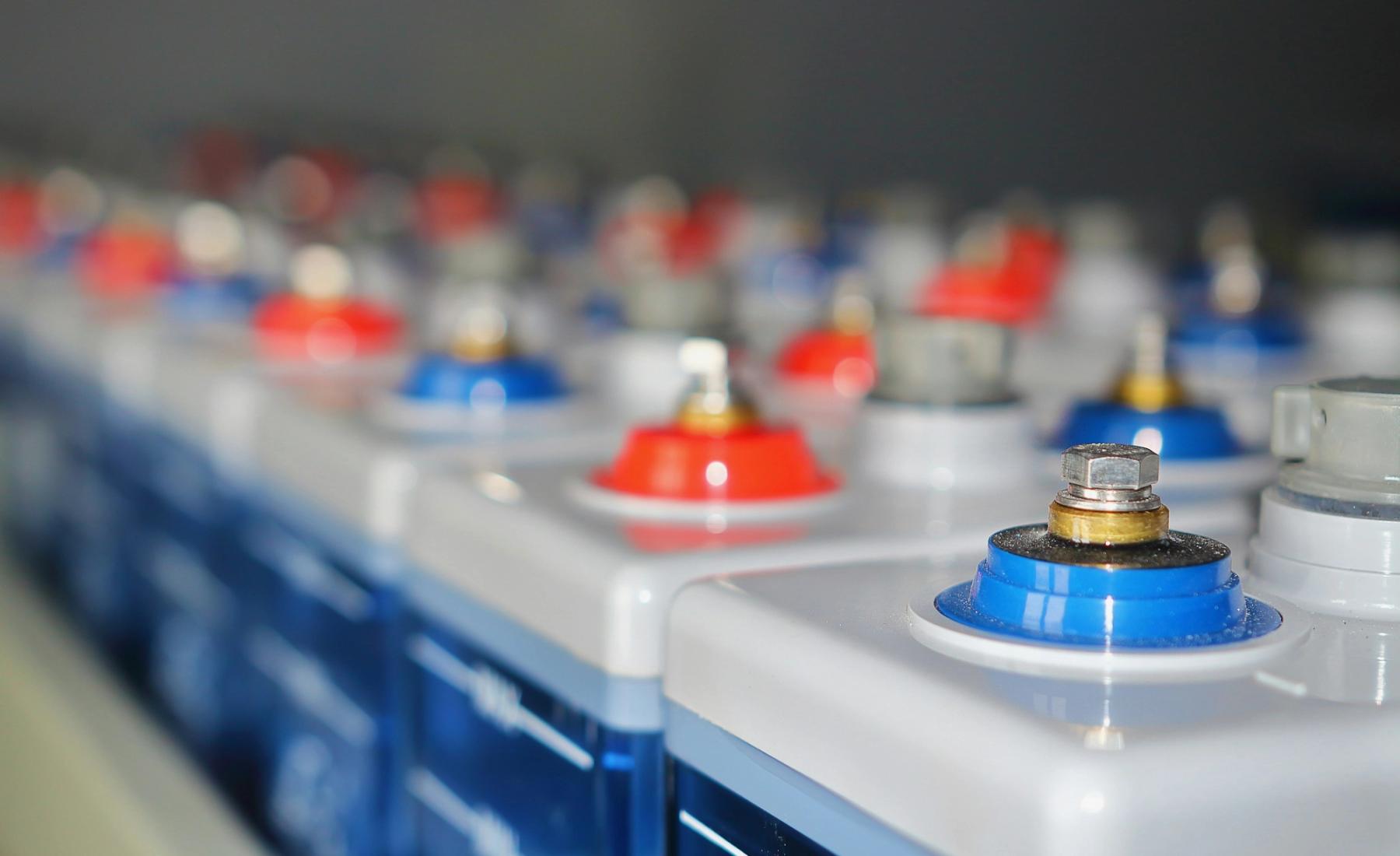
The battery passport: 71 data points, and the e-bike carries the most mandatory ones