ESPR Work Plan 2025–2030

What is it?
On 16 April 2025, the European Commission adopted the first Work Plan under the Sustainable Products Regulation (ESPR) for 2025–2030, confirming 11 product categories as priorities for delegated acts and the introduction of digital product passports (DPP). For manufacturers across Europe, the plan sets the order in which product requirements, and the passports that go with them, will arrive.
What does the work plan mean for your digital product passport?
The work plan sets the order in which passports arrive. Iron and steel comes first; textiles, tyres and aluminium follow in 2027, and furniture in 2028. Each group gets its own delegated act, which fixes the data fields and the deadline.
DigitalProductPassport by WIARA already has templates for reinforcing steel, aluminium, textiles and furniture, and updates each one as its delegated act fixes the fields. Open a demo passport to see what one of those passports looks like, or check whether your product group is on the list.
Priority Categories
Horizontal Measures
Significance for Business
WIARA - reliable DPP provider and partner
DPP Solutions

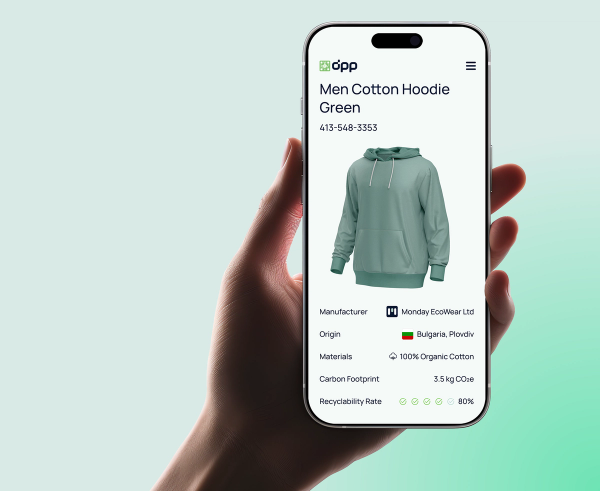
DPP for Textiles
DPP provides traceability from fibre to recycling, proves brands' sustainability, and inspires consumer confidence.

DPP for Construction Products
DPP ensures transparency for the composition and sustainability of construction materials, facilitating proof of origin and compliance with standards.

DPP for the Furniture Industry
DPP ensures transparency for the materials used, facilitates reuse and recycling. It proves the sustainability of production.
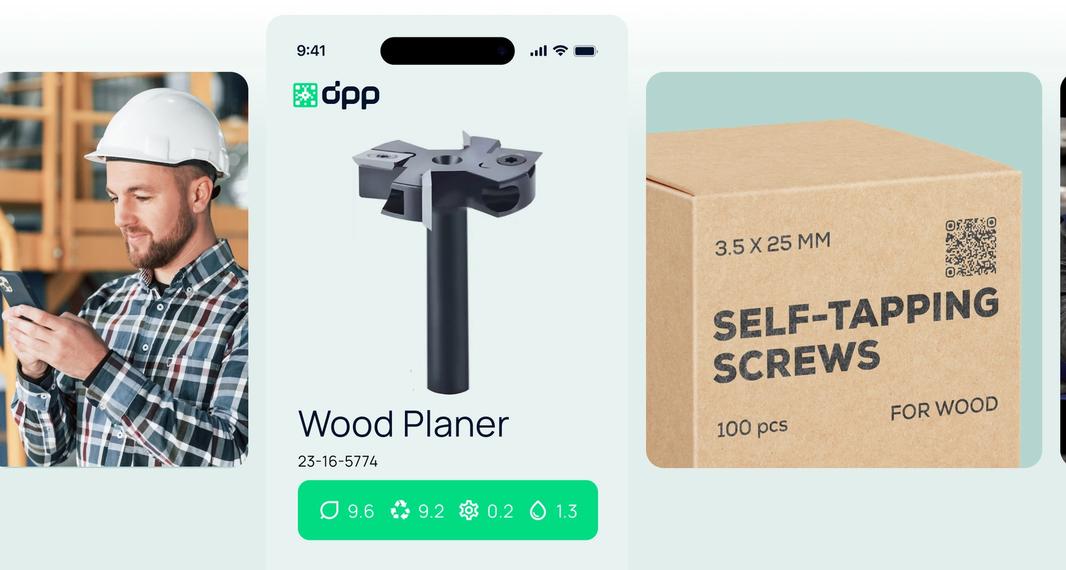
DPP for Manufacturers
Manufacturers create and maintain DPP, prove compliance and sustainability, earn trust and improve their processes.

DPP for Importers
Importers ensure a valid DPP for every product and provide EU market access without risk of sanctions and delays.

DPP for Retailers and Service Centres
DPP simplifies warranties, repairs and product tracking. Retailers and service centres receive accurate information for higher quality service.
Why is it important?
The 2025–2030 Work Plan is the roadmap for implementing DPP and new ecodesign rules in the EU. It shows businesses when and what requirements are coming and allows companies to prepare early. This is not only a regulatory obligation, but also an opportunity for innovation, competitive advantage and higher consumer trust.
Sustainable Production with DPP – Start Today
Take the next step towards digitalization and transparency
Being ready in time: DigitalProductPassport by WIARA
The work plan sets the order the product groups arrive in. Iron and steel are first; textiles and furniture follow.
DigitalProductPassport by WIARA is a cloud platform built by WIARA, a software company. Passports are published from ready-made ESPR and CPR templates that are maintained as the rules change, so the work left before a deadline is collecting product data rather than building software.
The free plan covers 3 passports in total. What the platform does is set out on the product page, and the plans and their limits are on pricing.
Work Plan
Frequently Asked Questions

The European Commission adopted it on 16 April 2025. It runs to 2030 and sets the order in which delegated acts, and the digital product passports that go with them, arrive for each product group.
Iron and steel comes first, with a delegated act in 2026. Aluminium and textiles follow in 2027 and furniture in 2028; tyres, mattresses and chemicals come later in the plan, and electronics towards the end of the decade. Batteries are not in the plan: they run under the separate Battery Regulation, with the passport mandatory from 18 February 2027. Construction products fall under the CPR, not the ESPR.
The plan introduces measures for circular economy, energy efficiency and traceability. They will apply to all EU enterprises, enabling more sustainable development.
For EU companies, this means the need for transparency, new investments and use of digital solutions like DPP. At the same time, it opens the way to greater trust and access to European markets.
DPP is a key part of the plan and will be required for numerous product categories. For EU businesses, this is an opportunity for manufacturers to offer greater traceability and trust in their products.
EU consumers will gain more transparency about the origin and sustainability of products. This will increase trust and encourage more responsible consumption across Europe.