DPP for the Furniture Industry
A more sustainable future for furniture

Digital Product Passport for the Furniture Industry
The furniture industry is among the sectors in the EU with high waste volumes and low recyclability. The introduction of a Digital Product Passport (DPP) will ensure transparency about the materials used, reuse possibilities and sustainability of production. This is a key step towards more efficient resource management and the circular economy.
Regulatory Framework and Requirements
DPP for the Furniture Industry
Steps for DPP Implementation
Product creation at the factory
Data on the materials used – wood, textile, metal, paints and adhesives – is entered, along with their origin and compliance with safety and sustainable production standards.
Generating a Digital Product Passport
Each item (chair, desk, wardrobe) receives a unique DPP with a QR code/link containing information on composition, assembly instructions and operational characteristics.
Supply chain integration
Manufacturers, distributors and furniture retailers add data on logistics, storage, safety certifications (e.g. FSC, ISO) and warranty terms.
Access for retailers and showrooms
Retailers receive up-to-date information on dimensions, materials, availability and finish options, while showrooms can present digital product documentation to customers.
Access for end consumers
Customers scan the QR code and receive assembly instructions, maintenance recommendations, warranty terms and environmental data for the product.
Post-use tracking
During repair, reuse or recycling, the passport is updated – information is added about options for reprocessing wood, metal parts or textiles, closing the product's lifecycle.
How to integrate DPP into your production?
WIARA offers a ready-made and easy DPP solution
SCAN TO OPEN ON YOUR PHONE
INTERACTIVE DEMO
See a real Digital Product Passport
Sofa with upholstery and wooden frame — the passport shows the fields expected for furniture: origin of the wood and fabrics, repairability, recyclability, care instructions. Scan the QR with your phone or open the link to see how a published passport looks to a customer.For Furniture
Frequently Asked Questions

All types of furniture – domestic, office, public, as well as mattresses and upholstered products manufactured or imported.
Materials, origin, chemicals, sustainability, usage and recycling instructions – for greater transparency for consumers.
Manufacturers, importers and distributors of furniture in the EU will need to comply with the new requirements.
Easier access to EU markets, compliance with standards, greater customer trust and new opportunities for sustainable design.
They will have access to reliable information on the safety, sustainability and quality of the furniture they purchase.
Start collecting data, analysing materials used and preparing for digitalisation of processes to meet future requirements.
Sustainable Home
Other Key Solutions

DPP for Textiles
DPP provides traceability from fibre to recycling, proves brands' sustainability, and inspires consumer confidence.
DPP for Manufacturers
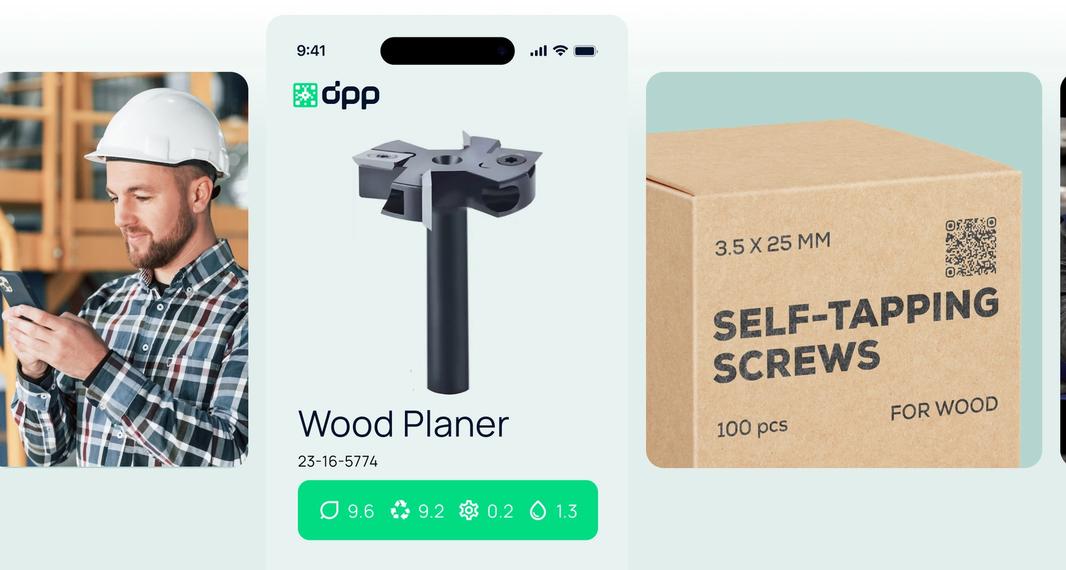
Manufacturers create and maintain DPP, prove compliance and sustainability, earn trust and improve their processes.

DPP for End Consumers
DPP provides transparency – composition, origin and recycling of products, so consumers can choose responsibly and make informed decisions.