DPP for Textiles
Transparency from label to wardrobe

Digital Product Passport in the Textile Industry
The textile sector is among the first where the European Union will mandate the Digital Product Passport (DPP). The reason lies in fashion and clothing's significant environmental pressure – excessive use of raw materials and water, short product lifespans, and extremely low reuse and recycling rates.
Regulatory Framework and Requirements
Digital Product Passport for Textiles
Steps for DPP Implementation
Product creation at the factory
At the design and production stage, data on the fabrics, fibres and dyes used is entered, along with information on the origin of raw materials.
Generating a Digital Product Passport
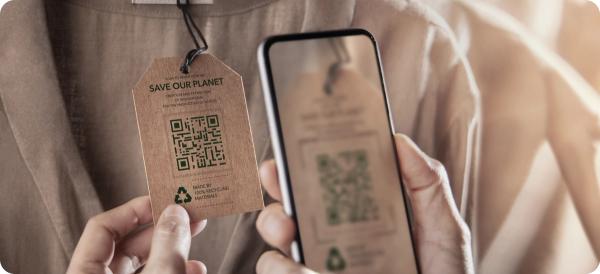
For each batch of clothing or individual item, a unique DPP is created as a QR code or link, containing information about materials, manufacturing processes and sustainability metrics.
Supply chain integration
Garment factories, fabric suppliers and wholesalers add data on transport, storage and certifications such as OEKO-TEX or GOTS.
Access for retailers and service centres
Retailers and boutiques receive data on collections, sizes and product characteristics. Service centres have access to repair, alteration and recycling guidelines.
Access for end consumers
Via a QR code, customers can view details about the garment's composition, washing and care instructions, as well as information on its sustainable production.
Post-use tracking
When returned or collected for recycling, the passport is updated to record reuse, material transformation, or integration into a new production cycle.

How to integrate DPP into your production?
WIARA offers a ready-made and easy solution
SCAN TO OPEN ON YOUR PHONE
INTERACTIVE DEMO
See a real Digital Product Passport
Winter jacket made from textile with recycled content — the passport shows the fields expected for textiles: composition, origin, carbon footprint, care and recycling instructions. Scan the QR with your phone or open the link to see how a published passport looks to a customer.DPP
Frequently Asked Questions

Data on material composition, fibre origin, chemical usage, carbon footprint, repairability, recyclability, and end-of-life treatment instructions – of particular importance for manufacturers and distributors.
Through a QR code or other electronic carrier attached to each textile product.
Manufacturers will demonstrate transparency, comply with EU requirements, and build trust with their customers and international partners.
They will receive clear information about product sustainability and quality, as well as guidance on proper care and recycling – helping consumers make informed choices.
It will require stricter tracking of materials and processes, improving transparency and reducing the grey market, including in textile production and imports.
The biggest challenges involve digitising data, integrating new systems, and collecting reliable information from suppliers – a key step for producers and exporters.
Transparency Everywhere
Related Industries and Solutions

DPP for End Consumers
DPP provides transparency – composition, origin and recycling of products, so consumers can choose responsibly and make informed decisions.

DPP for Retailers and Service Centres
DPP simplifies warranties, repairs and product tracking. Retailers and service centres receive accurate information for higher quality service.
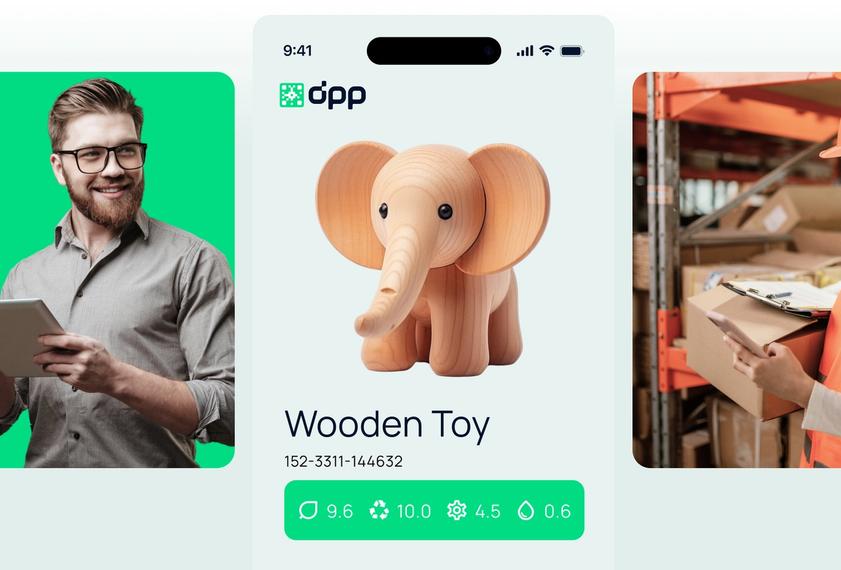
DPP for Importers
Importers ensure a valid DPP for every product and provide EU market access without risk of sanctions and delays.