DPP for Retailers and Service Centres
Transparency and trust in every product
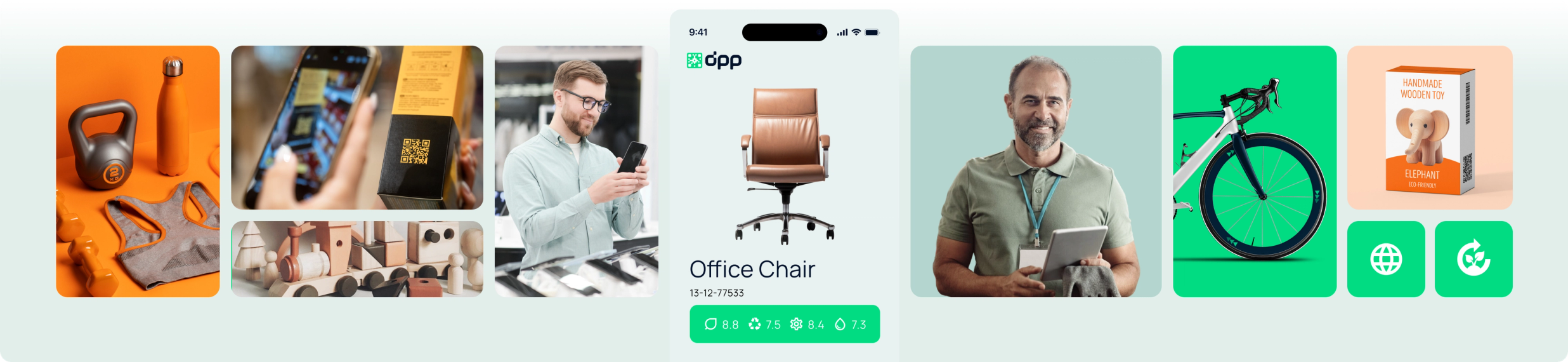
Digital Product Passport (DPP) for Retailers and Service Centres
Regulatory Framework and Requirements
Key Information
Steps for DPP Implementation
Receiving information from the manufacturer
Retailers and service centres have direct access to DPP with full product information – specifications, composition, origin and certifications.
Generating your own access
Each item offered by the retailer can be associated with a DPP via QR code or link to ensure transparency for the customer.
Integration with inventory and logistics
Through DPP, inventory, delivery and transport data are linked, facilitating product management and traceability.
Maintenance and warranty service
Service centres receive direct guidelines for maintenance, repair and claims, as well as service history from the manufacturer.
Access for end customers
Customers can scan the DPP code in the store or service centre and receive transparent product information – origin, composition, sustainability.
Tracking and feedback
The system enables collection of information about claims, replacements and repairs, which is fed back to the manufacturer for analysis and improvements.

How to integrate DPP into your processes?
WIARA offers a ready-made and easy DPP solution
SCAN TO OPEN ON YOUR PHONE
INTERACTIVE DEMO
See a real Digital Product Passport
An LED panel luminaire — the passport shows the energy label and EPREL record, ecodesign data (flicker, lifetime), materials including recycled aluminium, CE, RoHS and WEEE compliance, repairability and spare parts, and disassembly at end of life. Scan the QR with your phone or open the link to see how a published passport looks to a customer.You ask us:
Frequently Asked Questions

It provides accurate information about the product's composition and characteristics, facilitating repairs and extending its lifespan.
Through a QR code on the product or packaging, or via a digital platform.
This could lead to sanctions and product withdrawal from the market.
No, this is the manufacturer's obligation, but retailers must ensure access to the current version.
More customer trust, better service and a competitive advantage in the European market.
Integrate systems for DPP access and train staff to work with them.
Better Service
Related Business Solutions
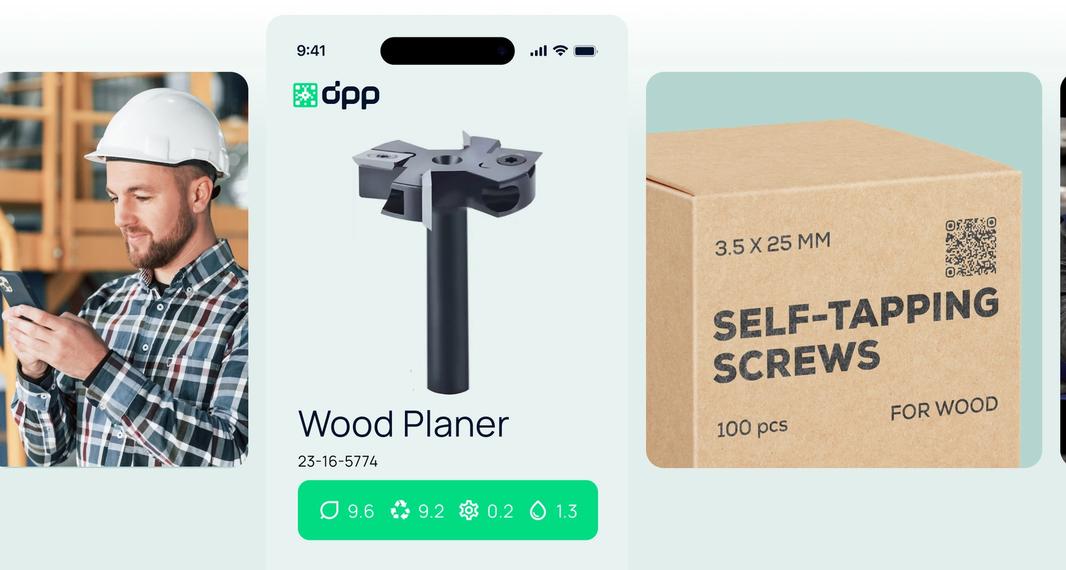
DPP for Manufacturers
Manufacturers create and maintain DPP, prove compliance and sustainability, earn trust and improve their processes.
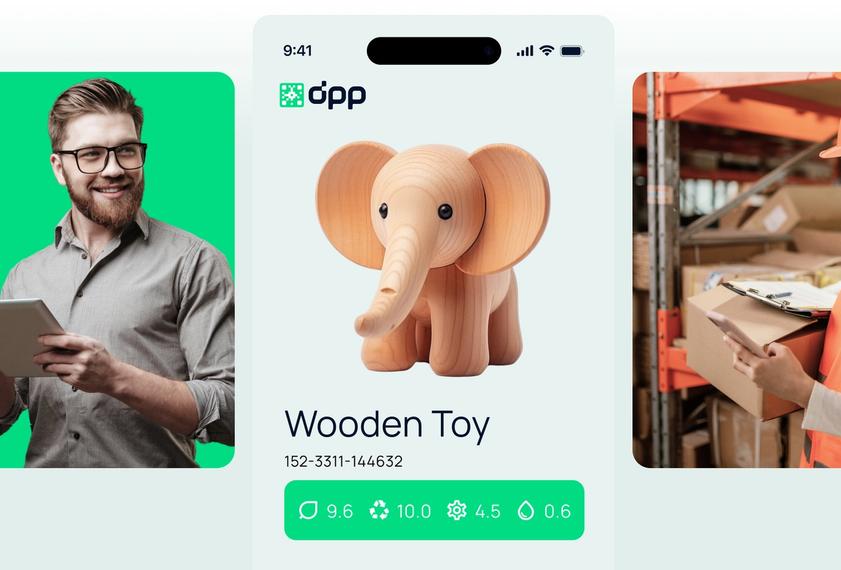
DPP for Importers
Importers ensure a valid DPP for every product and provide EU market access without risk of sanctions and delays.

DPP for End Consumers
DPP provides transparency – composition, origin and recycling of products, so consumers can choose responsibly and make informed decisions.