DPP for Importers
Security and trust for the European market

Digital Product Passport (DPP) for Importers
Importers play a key role in ensuring that products entering the EU market are compliant. They guarantee that every product has a valid Digital Product Passport (DPP) before reaching consumers and partners. This is crucial for transparency, trust and smooth access to the European market.
Regulatory Framework and Requirements
DPP for Importers
Steps for DPP Implementation
Product creation at the factory
Entry of data on materials, composition and origin at the production stage.
Generating a Digital Passport
A unique DPP with QR code/link is created, containing structured information.
Supply chain integration
Manufacturers, distributors and importers add data – logistics, storage, certifications.
Access for retailers and service centres
Retailers receive product information, while service centres get maintenance and repair guidelines.
Access for end consumers
By scanning the QR code, customers can view full information – composition, sustainability, recycling.
Post-use tracking
When returned, recycled or reused, the passport is updated and closes the circular cycle.

How to integrate DPP into your processes?
WIARA offers a ready-made and easy DPP solution
SCAN TO OPEN ON YOUR PHONE
INTERACTIVE DEMO
See a real Digital Product Passport
A summer passenger-car tyre — the passport shows the EU tyre label data (rolling resistance, wet grip, external noise) and the EPREL record, composition and materials, performance and durability, the supply chain and end-of-life options such as retreading. Scan the QR with your phone or open the link to see how a published passport looks to a customer.For Importers
Frequently Asked Questions

The product may be stopped at the border or banned from sale within the EU.
Composition, origin, sustainability, carbon footprint, repairability, recyclability and other key data for the EU market.
The manufacturer creates and maintains the passport, but the importer is obliged to ensure the document is up-to-date and valid.
It eases customs inspections, reduces the risk of sanctions and accelerates access to the European market.
Yes, each category has specific delegated acts and requirements that apply to importers.
Faster market access, avoidance of regulatory issues, and a competitive advantage.
Traceability and Control
Related Steps in the Chain
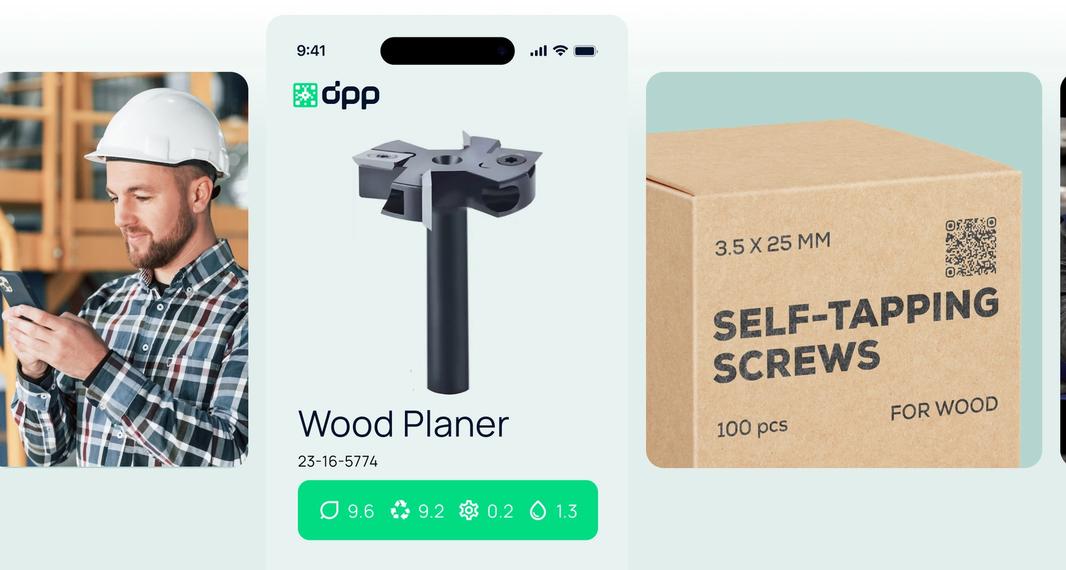
DPP for Manufacturers
Manufacturers create and maintain DPP, prove compliance and sustainability, earn trust and improve their processes.

DPP for Retailers and Service Centres
DPP simplifies warranties, repairs and product tracking. Retailers and service centres receive accurate information for higher quality service.

DPP for Construction Products
DPP ensures transparency for the composition and sustainability of construction materials, facilitating proof of origin and compliance with standards.