DPP - Digital Product Passport
What is a Digital Product Passport (DPP)?
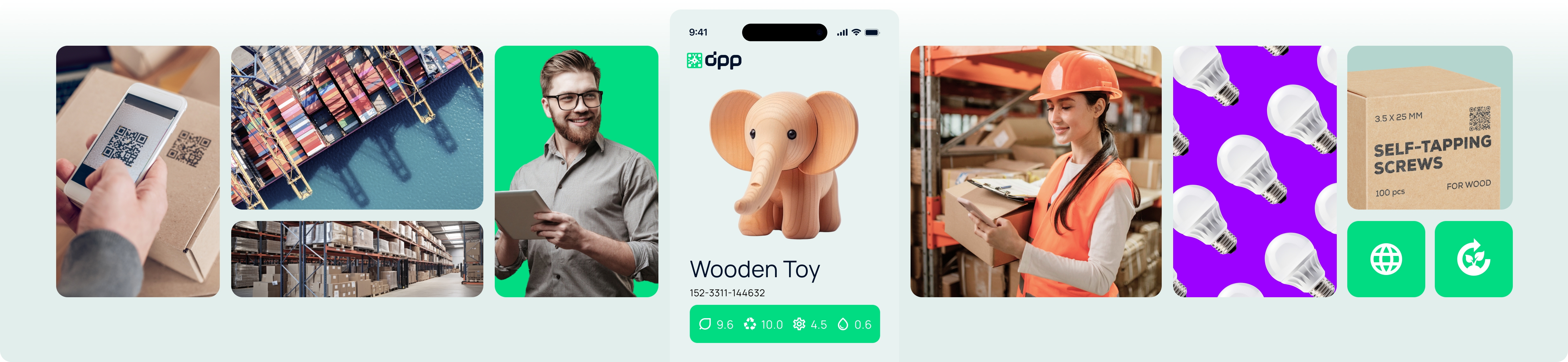
The Digital Product Passport (DPP) is a digital "identity card" for the product that shows where and how it was produced, how sustainable it is, and how it can be recycled. Access is provided via QR code or link.
DPP contains data on composition, material origin, carbon footprint, repairability, and recyclability. For companies, this is a tool for transparency, trust, and easier access to the European market.
The Digital Product Passport in your country
The rules are the same across the EU. Enforcing them is up to each Member State.
Who checks compliance. There is no EU-level passport inspector. Each Member State designates its own market surveillance authorities under Regulation (EU) 2019/1020, with a national single liaison office speaking for them; the Commission’s list files ecodesign under “Eco-design and energy labelling”. For products made outside the EU, the authorities deal with the EU importer, who must make sure a passport exists before placing the product on the market (ESPR Article 29), or with an authorised representative (Article 28).
What you enrol in the registry with. A company verifies its identity in the EU DPP registry with a qualified electronic seal from a qualified trust service provider; a sole trader uses a qualified electronic signature (Implementing Regulation (EU) 2026/1778, Article 4). The EU Trusted List shows the qualified providers in each country.
Which sectors come first. Iron and steel is the first ESPR product group, with its delegated act indicatively expected from late 2026; textiles, tyres and aluminium follow in 2027, furniture in 2028. Construction products get a passport under the Construction Products Regulation, and the battery passport is mandatory from 18 February 2027.
Funding. European Digital Innovation Hubs and EU regional development programmes can pay for the data work behind a passport: what is available and how to apply.
Guidance in your language. National editions of this guide: Bulgaria, Czechia, Greece, Hungary, Poland, Romania and Slovakia.
Official sources. Regulation (EU) 2024/1781 (ESPR); Regulation (EU) 2019/1020; Implementing Regulation (EU) 2026/1778; national market surveillance authorities; EU Trusted List; European Commission: Digital Product Passport.
Checked on 17 September 2026.
Purpose of DPP
The Digital Product Passport aims to provide full traceability and transparency in the supply chain — from production to consumer and back to recycling or reuse. It lets all participants — manufacturers, retailers, regulators and consumers — make informed decisions. Manufacturers can prove the origin and quality of their product, consumers receive clear information before purchase, and regulators verify compliance fast and automatically. DPP also supports secondary markets — repair, reuse and recycling — by providing the data needed on components and materials. In the long run, this lowers market-wide compliance costs and builds stronger trust between business partners.
Implementation timeline
What Does This Mean for Business?
For companies, this means a new level of responsibility — and an opportunity to demonstrate commitment to sustainability, compliance and innovation. Implementing DPP is not only a regulatory requirement but also a competitive advantage for those who act proactively. ESPR mandates three access tiers to DPP data: public, professional and regulatory authority. The audit trail must be kept for 7 years. For most SMEs the first two years are about preparation — building competence, collecting supplier data and integrating ERP/PIM systems. A partner network of consultants and experts provides DPP expertise without a major upfront investment.
DPP as Part of the ESPR Framework
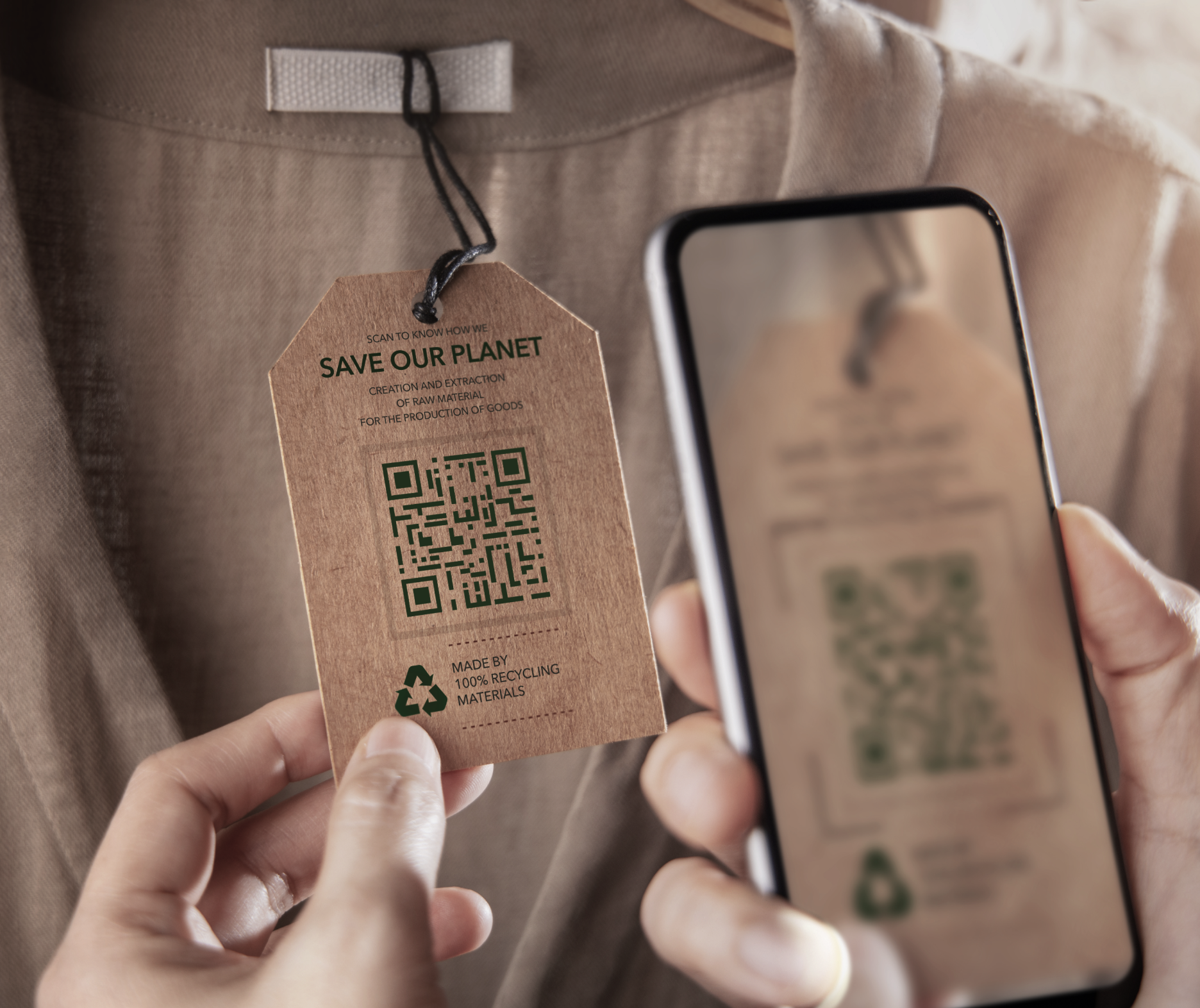
The Digital Product Passport (DPP) is a key element of the ESPR regulation, which sets the new rules for sustainable products in the EU. Through it, every product receives a digital profile with transparent information about its composition, origin, and environmental impact. DPP connects manufacturers, distributors, and consumers in a unified system of trust and traceability, supporting the goals of the European Green Deal and the circular economy. On 27 May 2026 CEN-CENELEC published six technical standards (EN 18216–18223) that lock in DPP interoperability — GS1 GTIN as primary identifier, QR code as primary carrier, REST API for data exchange and JSON-LD/Schema.org for semantics. The EU DPP central registry went live on 20 July 2026.
Learn More About ESPRSCAN TO OPEN ON YOUR PHONE
INTERACTIVE DEMO
See a real Digital Product Passport
Winter jacket made from textile with recycled content — the passport shows the mandatory ESPR fields for textiles: composition, origin, carbon footprint, care and recycling instructions. Scan the QR with your phone or open the link to see how a published passport looks to a customer.Three levels of DPP detail — which is for you?
Before choosing a pricing plan, it's good to know what you're actually buying. ESPR allows three levels of detail for the Digital Product Passport. The choice depends on how different your products are from each other and what you want to prove to the customer, the regulator or customs.
Below — practical examples so you choose the level you actually need.
Model passport — the base level
One passport for the entire product model. Covers all units of that model. Example: you sew 1,000 black t-shirts of one model. One passport covers all 1,000. It says: 100% cotton, 180 g weight, size L, made in Portugal, ESPR compliant. When it's enough: when your products of one model are largely identical — mass production, standard SKUs. For most SMEs this is enough for compliance.
Batch passport — the middle level
One passport per production batch. Builds on the model with the specifics of that particular batch. Example: 500 of the t-shirts are from cotton from Turkey (March 2026 batch), 500 — from Uzbekistan (April batch). Two extra passports on top of the model. They state where the cotton in the specific batch came from, when it was dyed, by which sub-contractor, what the carbon footprint is. When it's needed: when your batches differ — different material suppliers, different production dates, different certificates. Buyers and regulators then see exactly what's in the batch they hold in their hand.
Unit passport — the most detailed level
One passport for each individual product. Builds on the model or batch with its own serial number and history. Example: a boutique designer dress from an independent fashion house — hand-embroidered, one-of-a-kind, a specific piece of fabric. For such a product there is a separate passport for that one dress with its serial number. After sale, information can be added — when it was worn for a special occasion, how it was cared for, when it was resold second-hand. The whole history of that one dress. When it's needed: for unique, boutique or hand-made products; for expensive and long-lasting goods (furniture, electronics, cars); products for reuse; or when regulation requires traceability of the individual item.
Which to choose?
Start with Model — for most SMEs it's enough for compliance. Move to Batch when you have different suppliers or production batches and that matters to the customer. Add Unit where the regulation or business model requires it.
The platform behind this guide: DigitalProductPassport by WIARA
Everything on this page describes what a Digital Product Passport is. This is the software that produces one.
DigitalProductPassport by WIARA is the cloud platform behind the worked examples on this site, built by WIARA, a software company. You enter the product data once and it publishes the passport page, the QR code and the machine-readable file, in all 24 official EU languages, with model, batch and item level passports and a full change history.
The free plan covers 3 passports in total. What the platform does is set out on the product page, and the plans and their limits are on pricing.
Model, batch or item
Choosing your passport level

Yes, and that is the normal case. A batch passport builds on the model passport with what is specific to that batch; an item passport builds on the model or the batch with its own serial number. One model of t-shirt, two batches of cotton from different suppliers, and a handful of individually tracked pieces can coexist under the same product.
Yes. Batch and item passports are added on top of the model passport, not instead of it, so the model passport and the QR code already printed on your products stay valid. New batch or item passports get their own identifiers and carriers.
Yes. Each plan has separate allowances for model, batch and item passports, and beyond the plan they cost differently: €2.40 per extra model passport, €0.50 per batch passport, €0.15 per item extension. Model passports count as active passports you keep live; batch and item allowances are monthly. The full comparison is on the pricing page.
WIARA as a DPP Operator
Our Solutions
DPP for Textiles
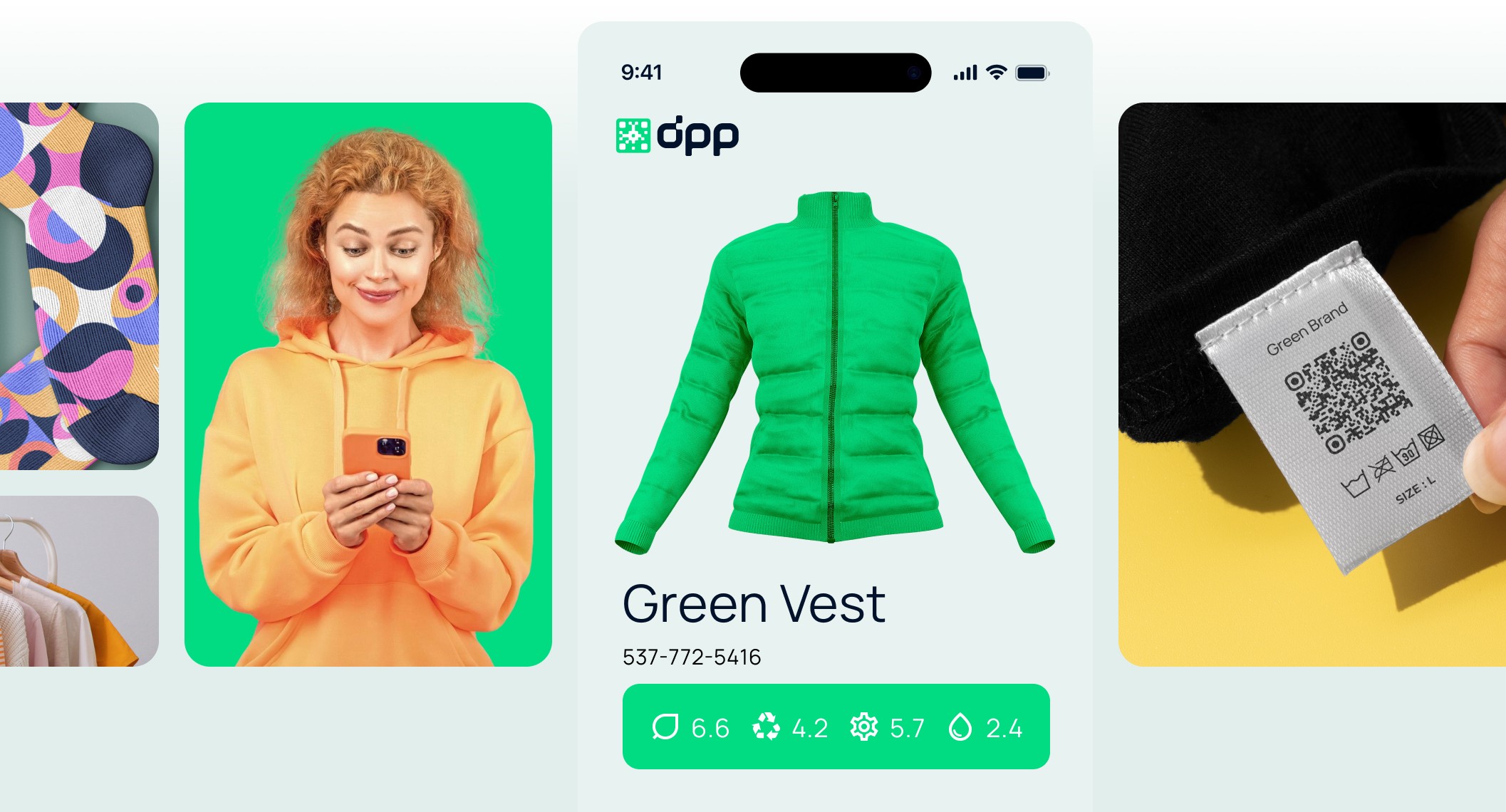
DPP provides traceability from fibre to recycling, proves brands' sustainability, and inspires consumer confidence.
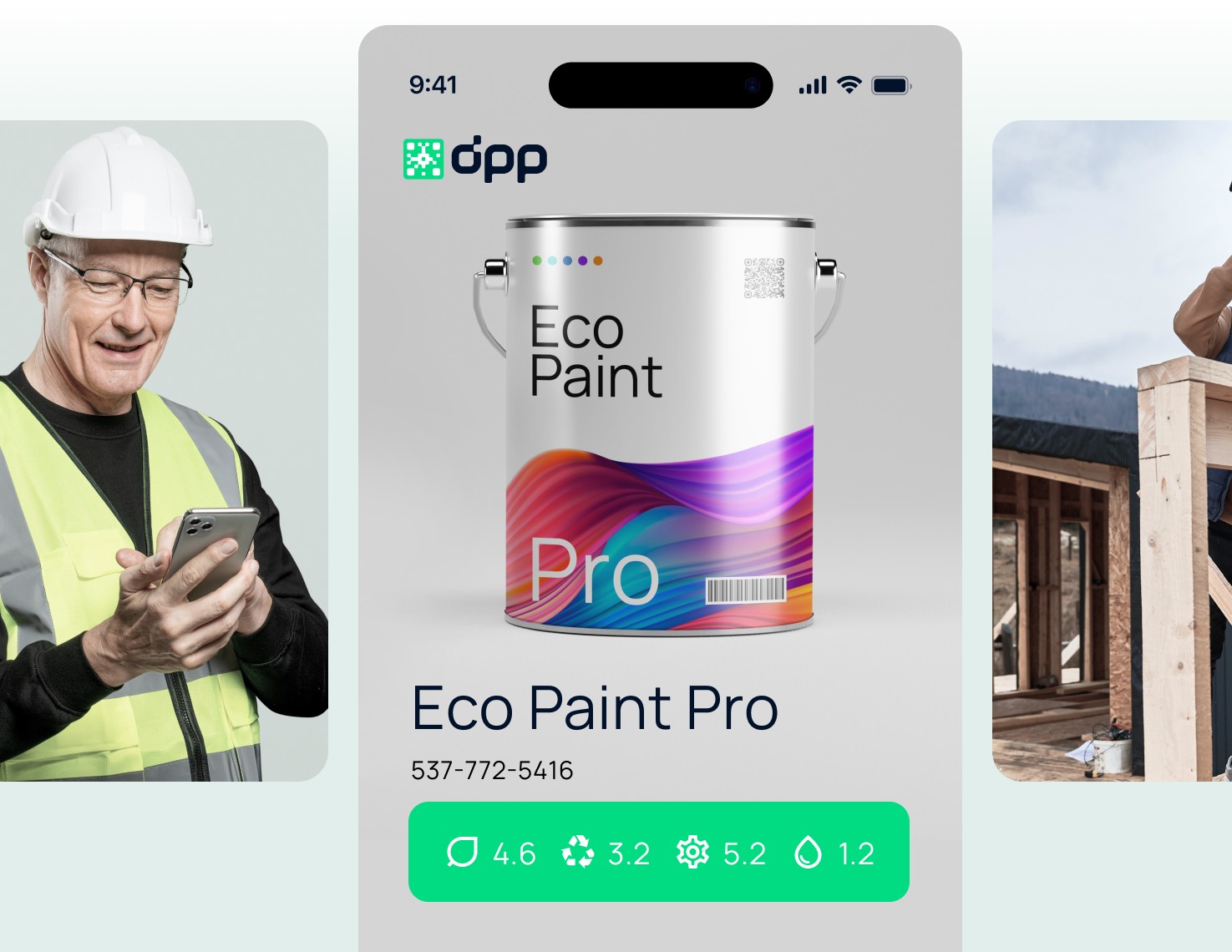
DPP for Construction Products
DPP ensures transparency for the composition and sustainability of construction materials, facilitating proof of origin and compliance with standards.
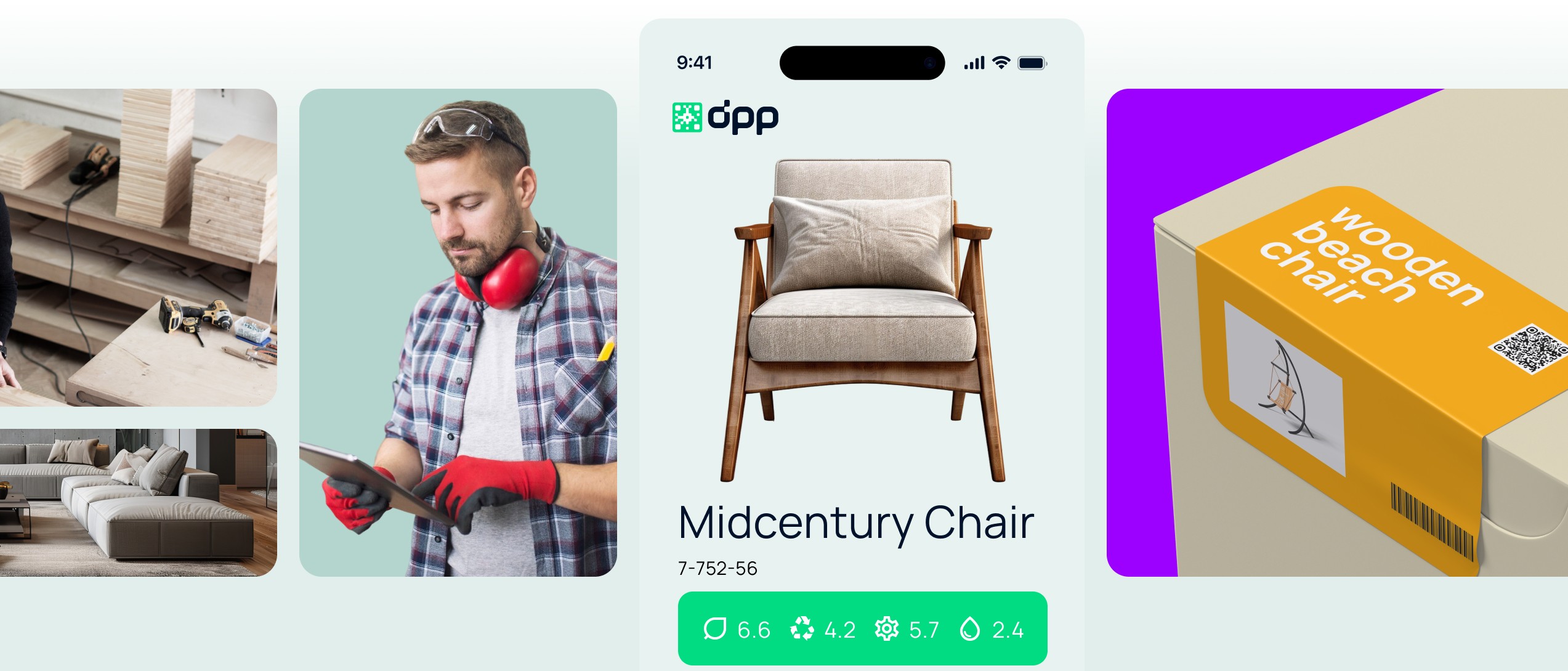
DPP for the Furniture Industry
DPP ensures transparency for the materials used, facilitates reuse and recycling. It proves the sustainability of production.
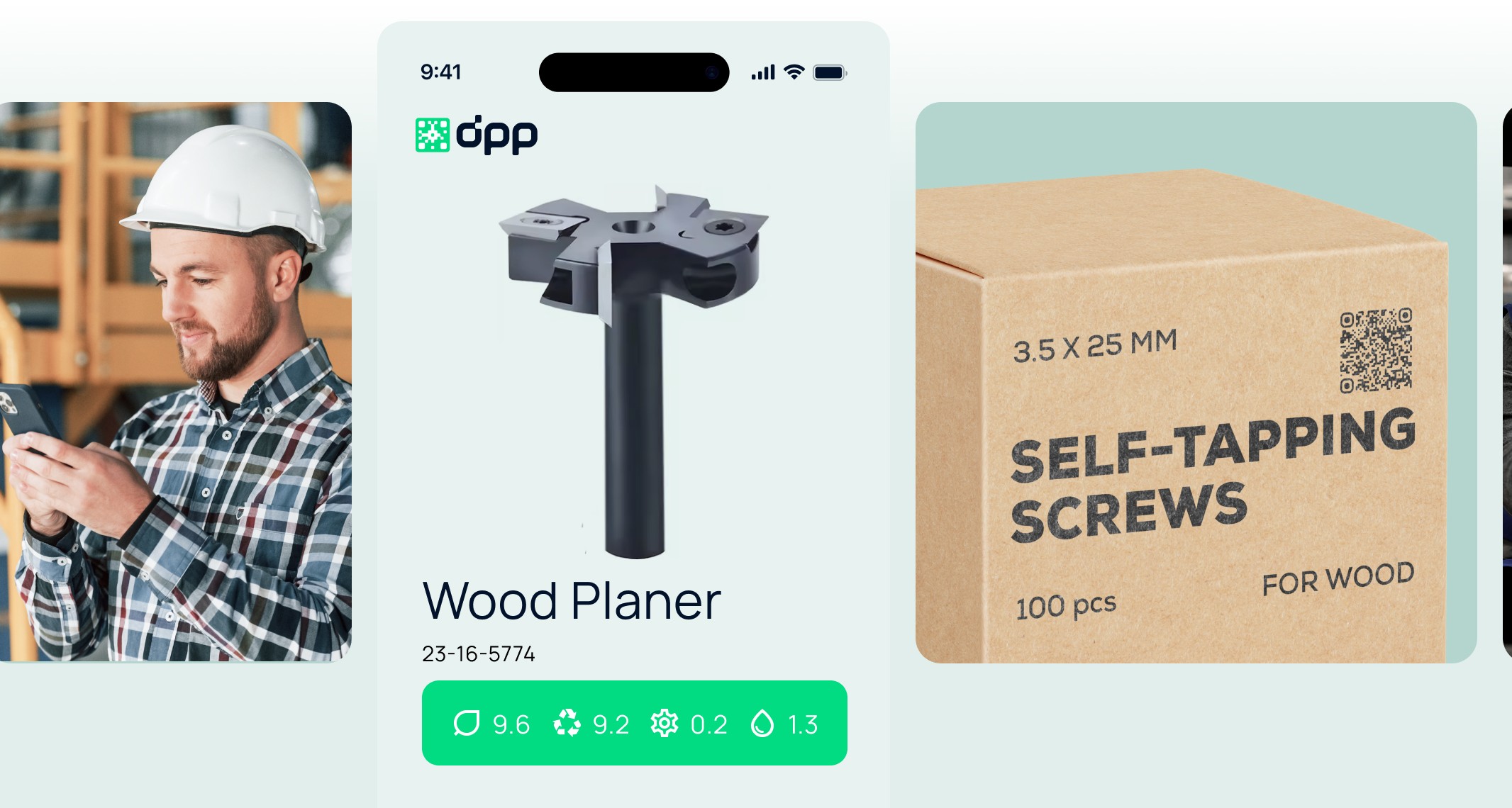
DPP for Manufacturers
Manufacturers create and maintain DPP, prove compliance and sustainability, earn trust and improve their processes.
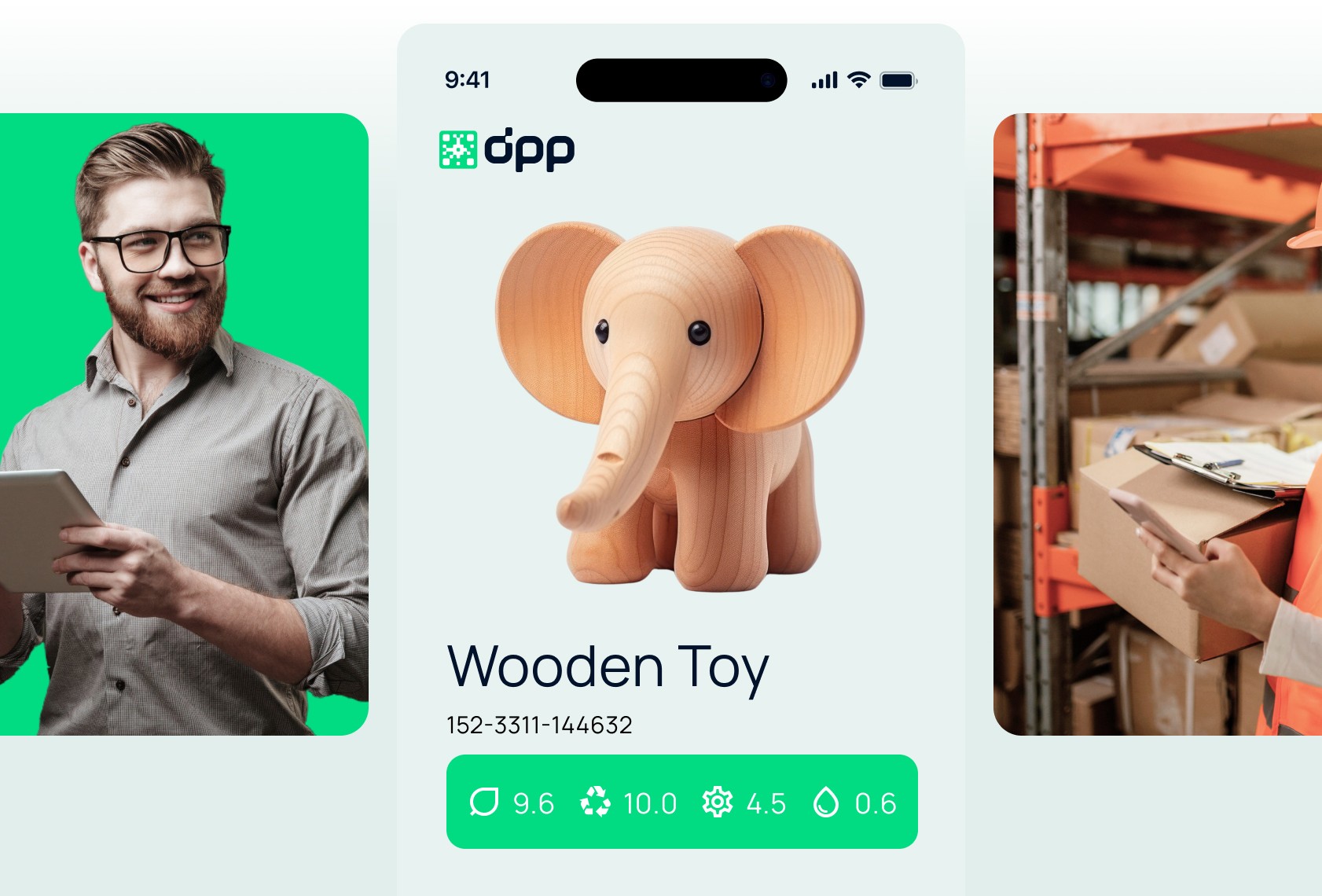
DPP for Importers
Importers ensure a valid DPP for every product and provide EU market access without risk of sanctions and delays.

DPP for Retailers and Service Centres
DPP simplifies warranties, repairs and product tracking. Retailers and service centres receive accurate information for higher quality service.

Your Guide to DPP Implementation
Learn the steps for integrating digital product passports – from the factory to the customer, with ready-made solutions and expert support.