DPP for Toys
A passport for every toy from 1 August 2030
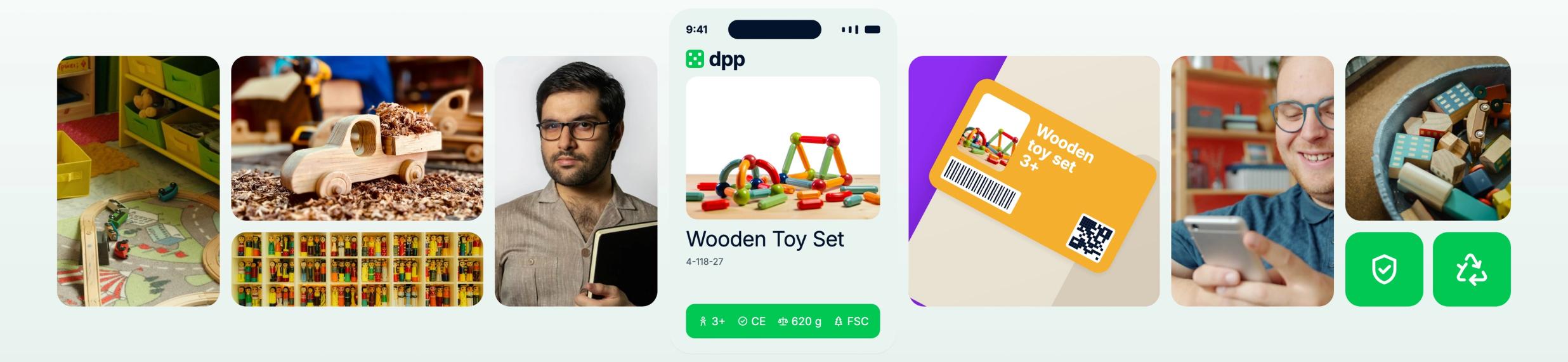
The Digital Product Passport for toys
The Toy Safety Regulation (EU) 2025/2509 replaces Directive 2009/48/EC. Under Article 19, a manufacturer must create a digital product passport before a toy goes on the market, and recital 54 explains that the passport replaces the EU declaration of conformity. The Regulation applies from 1 August 2030, with one set of rules for toys made in the EU, imported, or sold online.
A Commission delegated act under Article 49 will set the data carrier, access rights and standards. There is no draft yet, and the act will apply no earlier than 18 months after it enters into force. The documents behind today's declaration of conformity already exist, though: chemical composition data, test reports and the safety assessment. You can put them in order now.
Read more about the Toy Safety Regulation and the Digital Product Passport →
Regulatory framework and requirements
Digital Product Passport for toys
Steps to implement a DPP
Map your toys and models
We start with a list of the toys you place on the market and the safety documents you already hold for each one.
Chemicals and safety assessment
Substance data, test reports and the safety assessment are entered once and sorted into public, professional and authority fields.
Conformity under other acts
For electronic and connected toys, the conformity information required by the radio equipment, EMC, RoHS and cyber-resilience rules goes into the same passport.
Passport and permanent QR code
The platform publishes a passport page with a permanent QR code and a GS1 Digital Link address in all 24 official EU languages.
Access for parents and authorities
Parents see the public data when they scan, and market surveillance authorities also see the fields reserved for them.
A record of every change
Every edit to the passport is logged with its author and date, so an inspector can see which version applied and when.

How do you bring the DPP into toy production?
We build the passport with you, in all 24 official EU languages
SCAN TO OPEN ON YOUR PHONE
INTERACTIVE DEMO
See a real Digital Product Passport
Open a demo passport for a wooden toy and see what sits behind the code: materials, safety tests, warnings and conformity data. Scan the QR code with your phone or open the link.DPP for toys
Frequently asked questions

The manufacturer, before placing the toy on the market (Article 19(1)). Importers and online sellers carry their own duties as economic operators, so the passport concerns them as well.
The passport replaces it, as recital 54 of the Regulation sets out.
Yes. Where a toy also falls under the Cyber Resilience Act or the radio equipment, EMC, low-voltage, RoHS or AI Act rules, Article 19(5) lets its passport carry the conformity information those acts require.
Yes. The Regulation sets the same rules for toys made in the EU, imported or sold online, and importers and online sellers have duties of their own as economic operators.
Not yet. The Commission still has to adopt a delegated act under Article 49 on the data carrier, access rights and standards. You can prepare the data now; the format will be settled by that act.
Gather the chemical and test data for each model, check which toys also fall under other EU acts, and decide who in the company will keep the passports up to date.
Built to last
Related industries and solutions
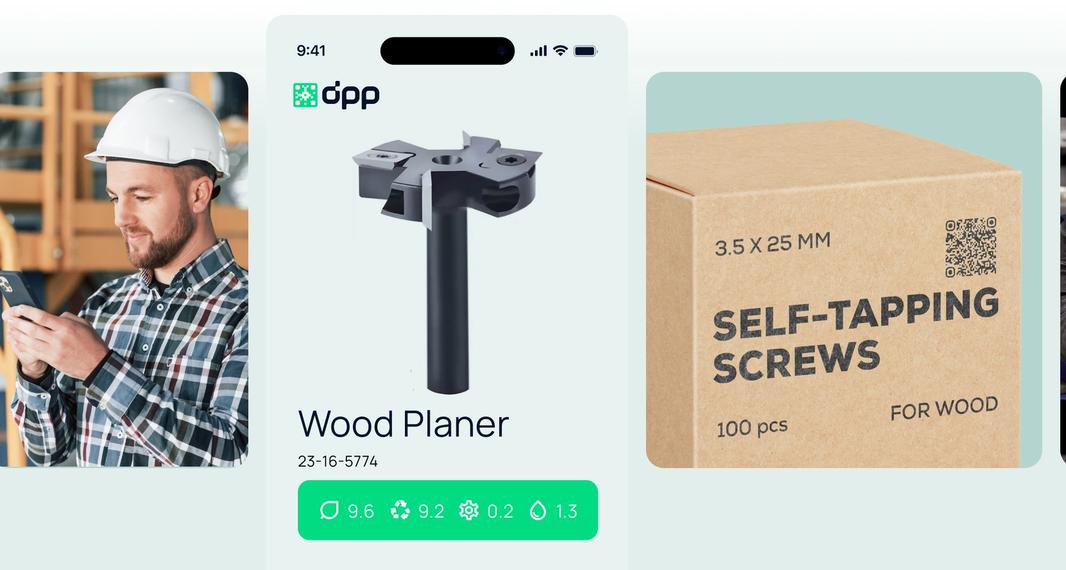
DPP for Manufacturers
Manufacturers create and maintain DPP, prove compliance and sustainability, earn trust and improve their processes.
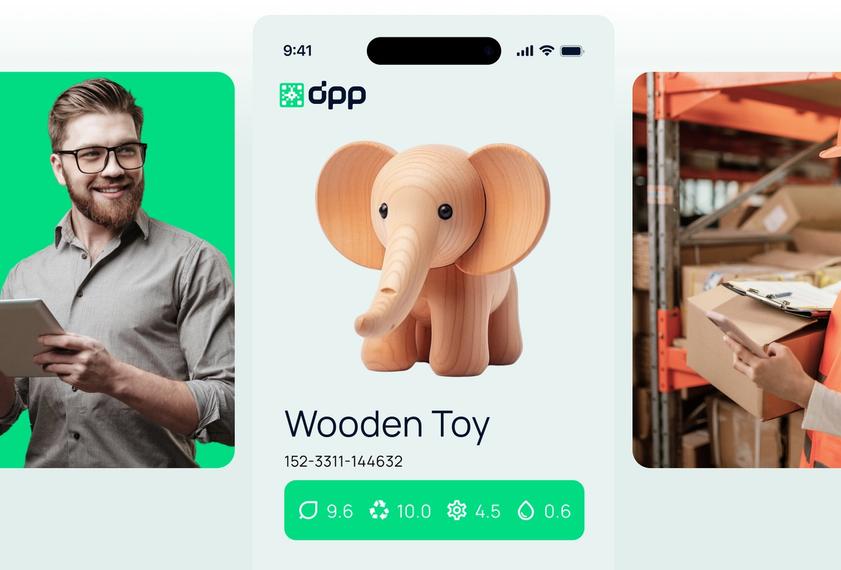
DPP for Importers
Importers ensure a valid DPP for every product and provide EU market access without risk of sanctions and delays.
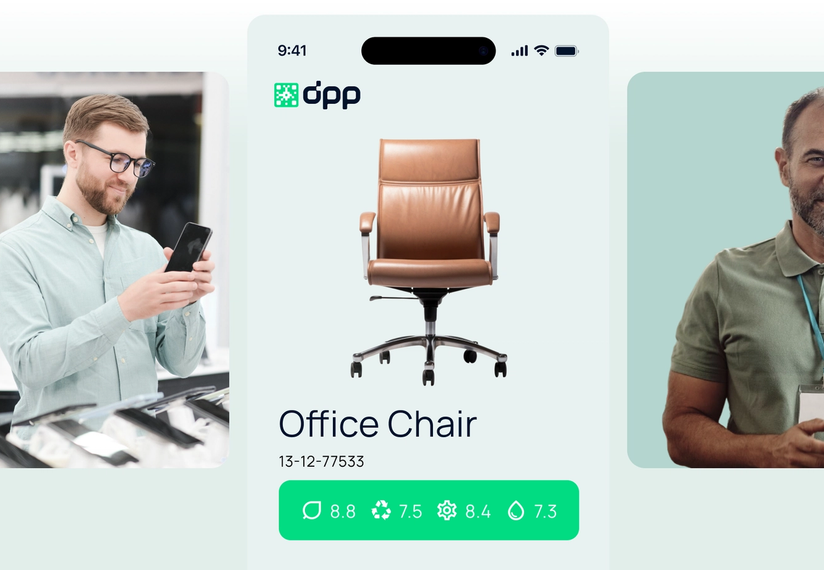
DPP for Retailers and Service Centres
DPP simplifies warranties, repairs and product tracking. Retailers and service centres receive accurate information for higher quality service.