Detergents Regulation
New rules and a mandatory digital product passport
What the new regulation introduces
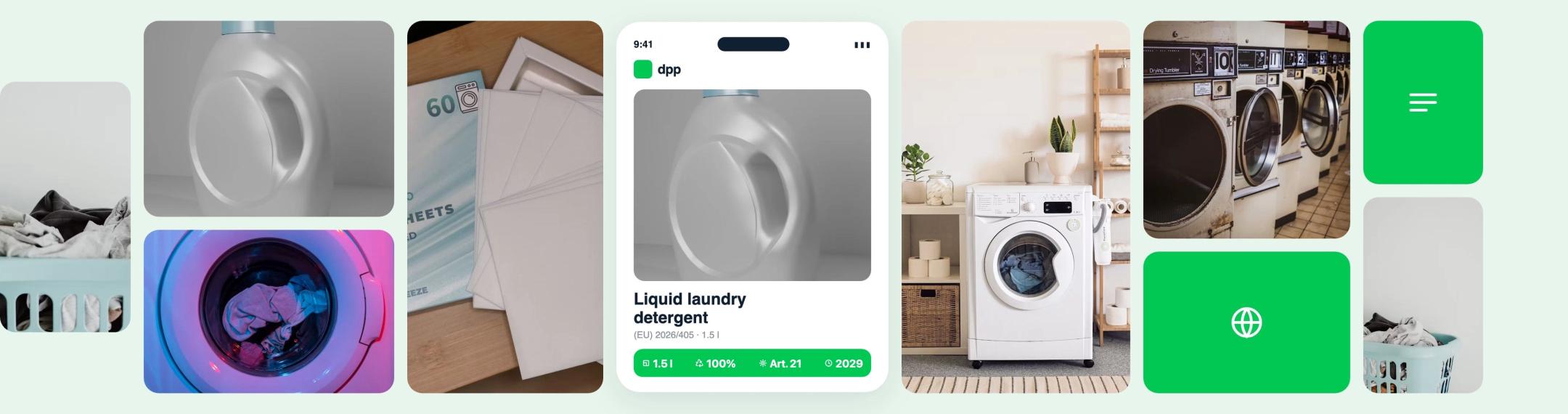
The new Detergents Regulation (Regulation (EU) 2026/405) replaces Regulation (EC) 648/2004 and modernises the rules for laundry and cleaning products. From 23 September 2029, every detergent and end-user surfactant needs a digital product passport before it is placed on the market. Some of the label information may be given digitally through the same data carrier as the passport, while the printed label stays. The regulation also sets new rules for refill sales and for detergents containing microorganisms.
Its requirements build on DPP for manufacturers and on the Digital Product Passport →
What does the Detergents Regulation mean for your digital product passport?
The regulation lets mandatory product information move from the printed label to a digital label behind a QR code. That is the same mechanism as a passport: structured product data on a page the code opens. It applies to manufacturers, importers and retailers of laundry and cleaning products.
DigitalProductPassport by WIARA generates that page in all 24 official EU languages from one set of data and shows the reader's language on scan. Open a demo passport to see how a code resolves to product data, or check whether your product needs a passport.
Key requirements
Detergents Regulation
Key points
2026
The Detergents Regulation is adopted and published in the EU Official Journal.
Digital label
Product information can be provided via a QR code instead of entirely on the physical label.
Passport from 23 September 2029
From that date, detergents and end-user surfactants cannot be placed on the market without a digital product passport. Surfactants sold only to other businesses need none.
Scope
Laundry and cleaning products placed on the EU market — EU-made and imported.
Publish this passport with DigitalProductPassport by WIARA
The Detergents Regulation requires a digital product passport for every detergent model and lets some label information be given digitally. The printed label stays. Technically, the passport sits behind a code on the bottle, and the digital label can sit behind the same code.
DigitalProductPassport by WIARA is a cloud platform built by WIARA, a software company. You enter the product data once; the platform publishes a passport page with a permanent QR code and a GS1 Digital Link URL, in all 24 official EU languages, keeping public, professional and authority fields apart. ESPR and CPR templates come ready made.
The free plan covers 3 passports in total. What the platform does is set out on the product page, and the plans and their limits are on pricing.
Detergents Regulation
Frequently asked questions

The option to provide mandatory detergent information digitally — for example via a QR code — instead of printing it all on the packaging.
Manufacturers, importers and retailers of laundry and cleaning products that offer detergents on the EU market.
From 23 September 2029, the regulation itself requires a digital product passport for every detergent model, and each passport is entered in the EU registry. The optional digital label can sit behind the same code.
Review labels and ingredient data, prepare the data for the digital product passport, decide whether to use a digital label, and adapt documentation to the new requirements.
Related solutions
How to prepare
DPP for Detergents
From 23 September 2029, laundry and cleaning products need a digital product passport for each model under Regulation (EU) 2026/405.
DPP for Manufacturers
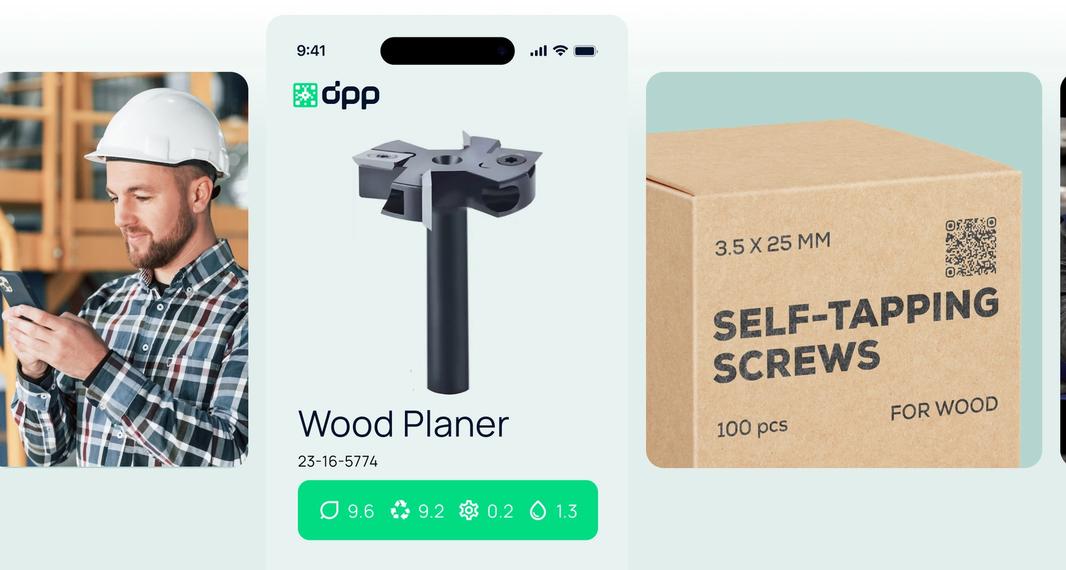
Manufacturers create and maintain DPP, prove compliance and sustainability, earn trust and improve their processes.
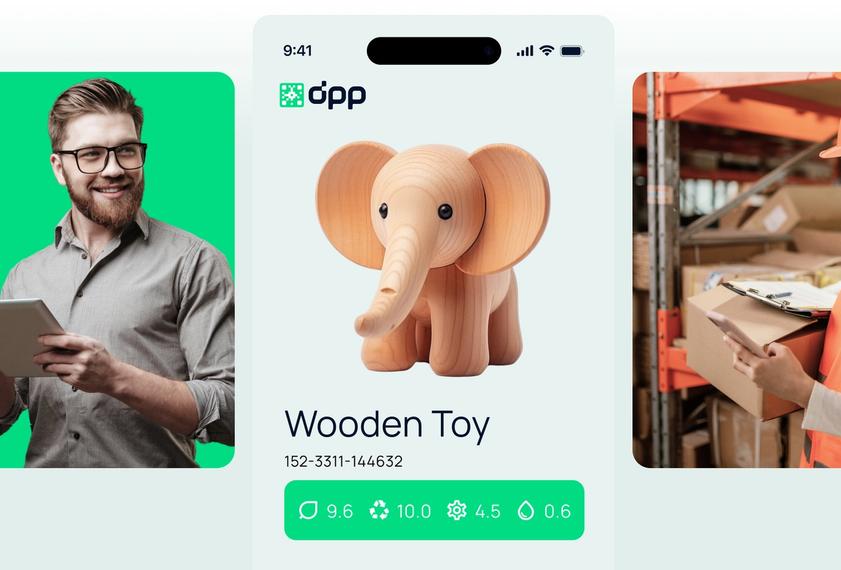
DPP for Importers
Importers ensure a valid DPP for every product and provide EU market access without risk of sanctions and delays.