Digital Product Passport Solutions
By role By industry

The Digital Product Passport looks different depending on where you sit in the chain and what product you make. Choose the solution that fits your role or industry — from manufacturers and importers to textiles, batteries, electronics, and construction materials.
Choose yours
All solutions
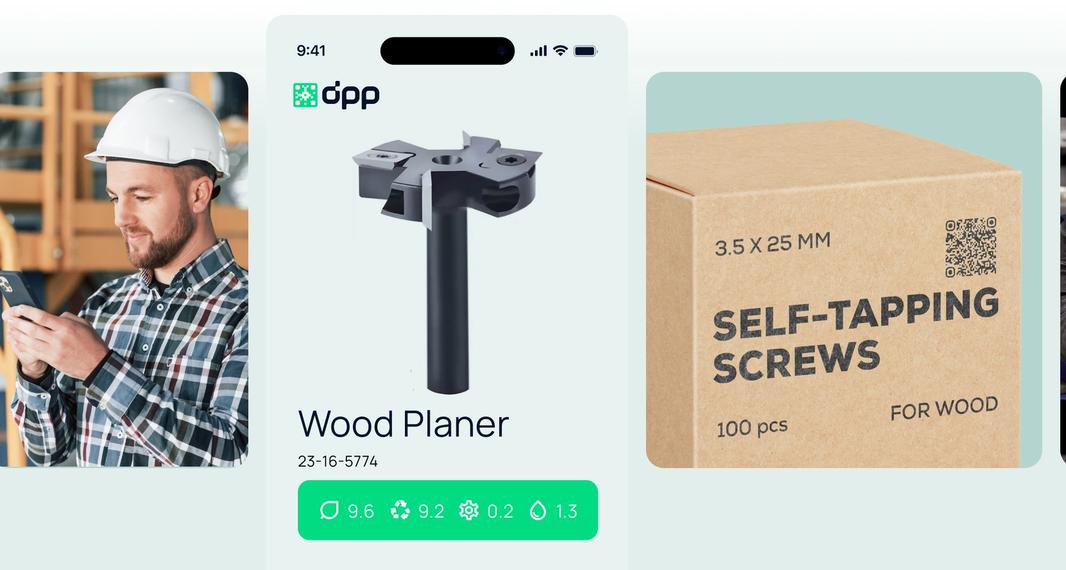
DPP for Manufacturers
Manufacturers create and maintain DPP, prove compliance and sustainability, earn trust and improve their processes.
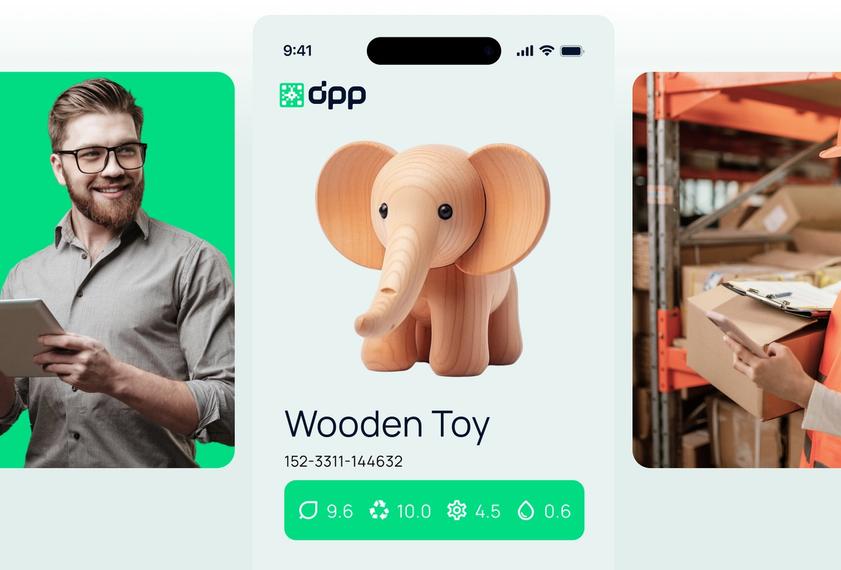
DPP for Importers
Importers ensure a valid DPP for every product and provide EU market access without risk of sanctions and delays.

DPP for Retailers and Service Centres
DPP simplifies warranties, repairs and product tracking. Retailers and service centres receive accurate information for higher quality service.

DPP for End Consumers
DPP provides transparency – composition, origin and recycling of products, so consumers can choose responsibly and make informed decisions.

DPP for Textiles
DPP provides traceability from fibre to recycling, proves brands' sustainability, and inspires consumer confidence.

DPP for Batteries
The first product group with a mandatory passport under the Battery Regulation — from 18 February 2027.
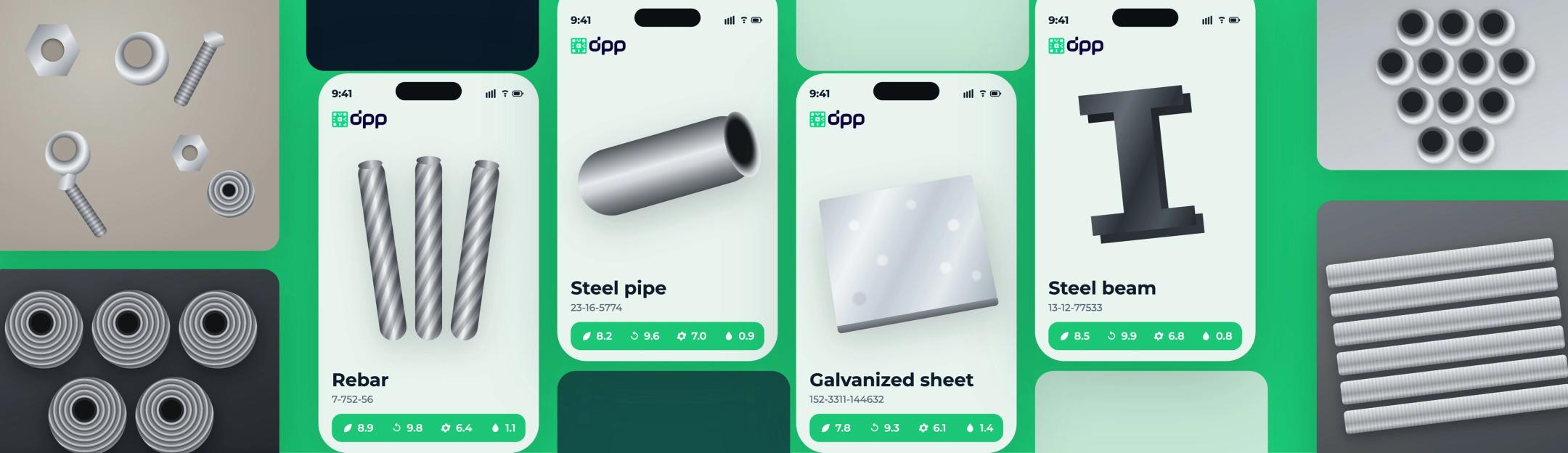
DPP for Steel and Iron
The first product group under ESPR — traceability of the composition, origin and carbon footprint of steel.
DPP for aluminium
The most recyclable metal among the first with a digital passport — carbon footprint, recycled content and origin.

DPP for electronics
The most complex products among the first with a digital passport — composition, repairability, substances and critical raw materials.

DPP for tyres
From a European label to a full passport — composition, performance, recycled content and end of life.

DPP for Construction Products
DPP ensures transparency for the composition and sustainability of construction materials, facilitating proof of origin and compliance with standards.

DPP for the Furniture Industry
DPP ensures transparency for the materials used, facilitates reuse and recycling. It proves the sustainability of production.

DPP for Toys
Under Regulation (EU) 2025/2509 every toy needs a digital product passport from 1 August 2030. It replaces the EU declaration of conformity.

DPP for Detergents
From 23 September 2029, laundry and cleaning products need a digital product passport for each model under Regulation (EU) 2026/405.

DPP for Packaging
PPWR has applied since 12 August 2026. Where a product needs a data carrier, its packaging data must use the same one, so both can share a passport.
Role and sector
Which solution is mine?

No. The plans cover passport volume, team size and integrations — not your industry. A furniture manufacturer and a textile manufacturer with the same number of passports pay the same. The only sector-specific charge is a custom sector template on request, at €600 one-off, if your category needs fields we do not yet have.
The template. Each product group has its own set of required fields, and those fields come from that group's delegated act. We maintain the templates per group and update them when the act changes, so the work on your side is filling in data rather than re-reading legislation.