Critical Raw Materials Act (CRMA)
Secure and sustainable raw materials for the EU
What CRMA is
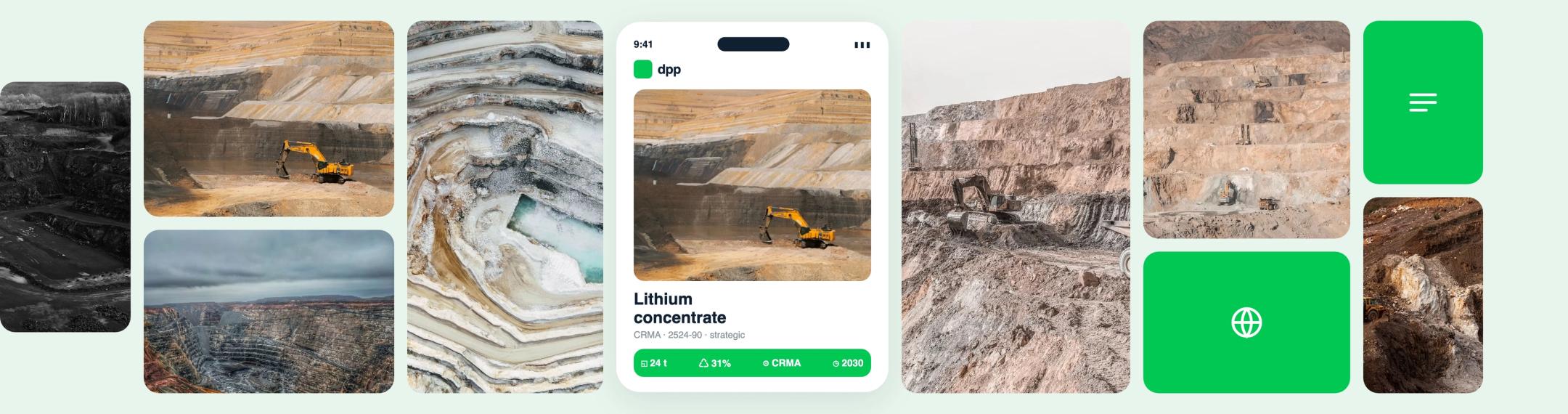
The Critical Raw Materials Act (Regulation (EU) 2024/1252) establishes a framework for a secure, sustainable and diversified supply of critical and strategic raw materials — lithium, cobalt, nickel, rare earths, graphite and more. It underpins the clean-energy and battery transition and introduces EU targets for extraction, processing and recycling, plus traceability and recycled-content requirements.
It links directly to DPP for batteries and to the Digital Product Passport →
What does the Critical Raw Materials Act mean for your digital product passport?
The CRMA never uses the words “digital product passport”, but Article 28 asks for per-product data on permanent magnets that has to reach a recycler years after the sale. The origin, due-diligence and recycled-content data it relies on is the same set the battery passport asks for, so data built for one serves the other.
In DigitalProductPassport by WIARA each field is classified to an access level, and the public passport shows only public fields, so origin and due-diligence detail need not appear on the public page. If you make electronics or work with aluminium, start from the data you already hold. Open a demo passport or check whether your product needs one.
Key elements
Critical Raw Materials Act (CRMA)
Key points
23 May 2024
CRMA entered into force.
2030 targets
Extraction (10%), processing (40%) and recycling (25%) benchmarks — set for strategic raw materials (Annex I), not for the wider critical list in Annex II.
Strategic projects
Designation and accelerated permitting of projects across the raw-materials chain.
Ongoing
Supply-chain monitoring and circularity / recycled-content requirements.
Publish this passport with DigitalProductPassport by WIARA
The CRMA never uses the words “digital product passport”, but Article 28 asks for per-product data on permanent magnets that has to reach a recycler years after the sale. That is a passport in everything but name.
DigitalProductPassport by WIARA is a cloud platform built by WIARA, a software company. You enter the product data once; the platform publishes a passport page with a permanent QR code and a GS1 Digital Link URL, in all 24 official EU languages, keeping public, professional and authority fields apart. ESPR and CPR templates come ready made.
The free plan covers 3 passports in total. What the platform does is set out on the product page, and the plans and their limits are on pricing.
Critical Raw Materials
Frequently asked questions

Critical and strategic raw materials such as lithium, cobalt, nickel, graphite, rare earths and others, key to batteries, electronics and clean energy.
Article 5 sets them for strategic raw materials (Annex I), not for the whole critical list: by 2030 the EU should extract 10%, process 40% and recycle 25% of its annual consumption, and no third country should supply more than 65% of any single strategic raw material.
CRMA and the battery passport require the same data — origin, due diligence and recycled content of critical raw materials. Data built for one serves the other.
Map the critical raw materials in their chains, build due diligence and traceability, and collect recycled-content data.
Related solutions
How to prepare
DPP for Batteries
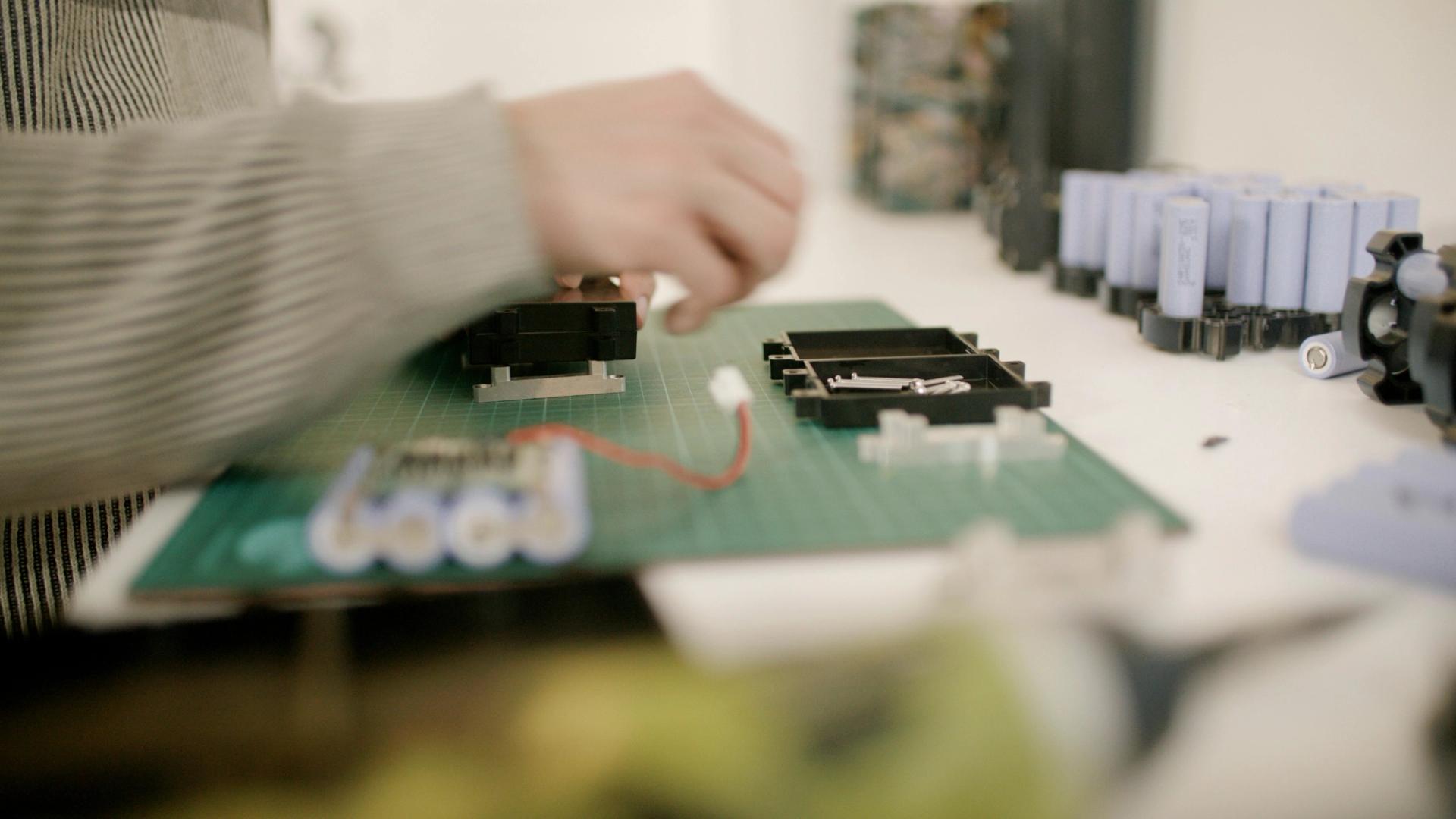
The first product group with a mandatory passport under the Battery Regulation — from 18 February 2027.

DPP for electronics
The most complex products among the first with a digital passport — composition, repairability, substances and critical raw materials.
DPP for aluminium
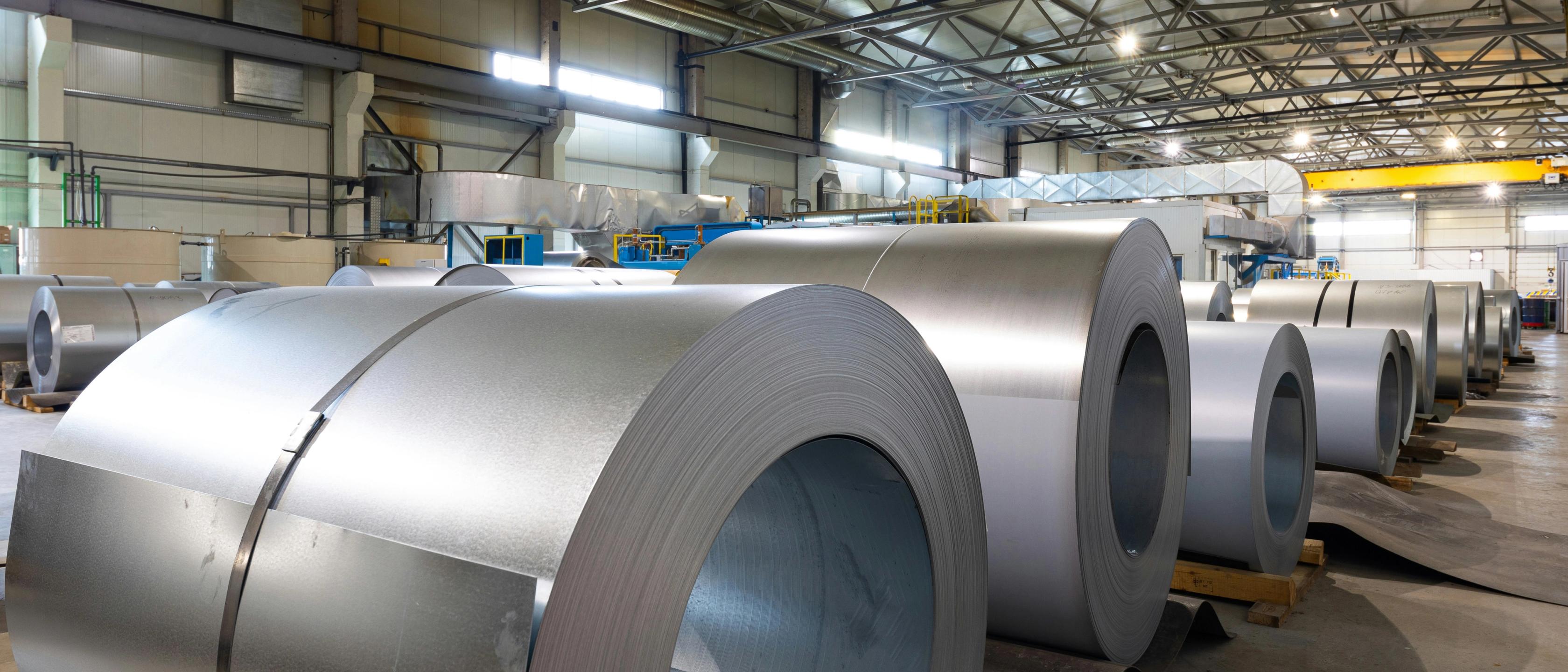
The most recyclable metal among the first with a digital passport — carbon footprint, recycled content and origin.