Packaging and Packaging Waste Regulation (PPWR)
New rules for all packaging in the EU

What PPWR is
Regulation (EU) 2025/40 (PPWR) replaced the old Packaging Directive and introduces single rules for all packaging on the EU market. It applies from 12 August 2026. The aim is to cut packaging waste, make all packaging recyclable, and introduce minimum recycled-content levels, reuse targets and harmonised labelling.
Its requirements sit close to DPP for manufacturers and to the ESPR →
What does PPWR mean for your digital product passport?
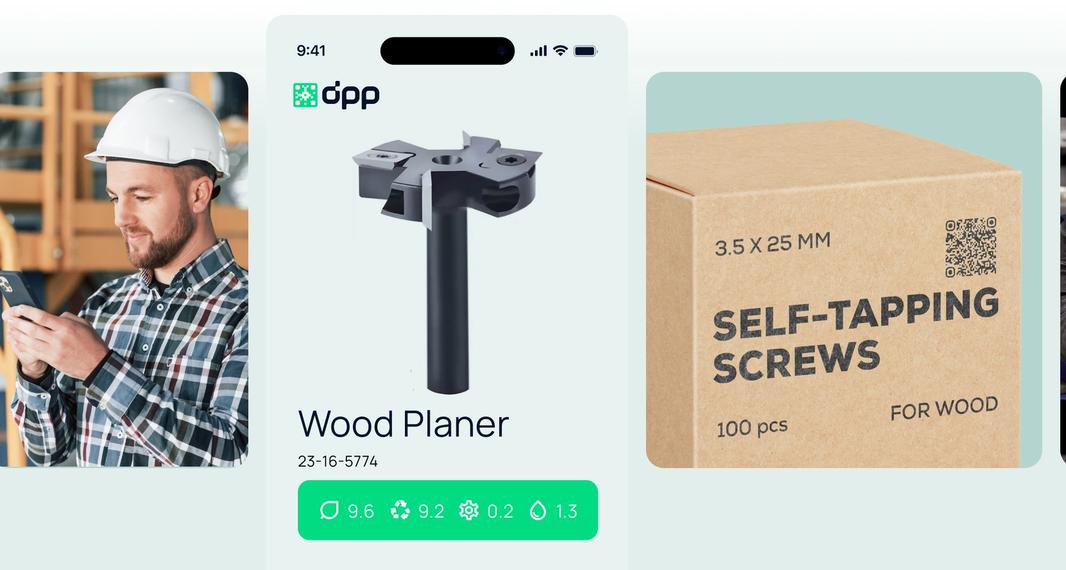
PPWR asks for composition, recyclability and recycled-content data on packaging, and harmonised labelling can link to it through a QR code. That code usually ends up on the same packaging as the product passport, so decide on the data carrier before the artwork is signed off. We cover what this means for FMCG packaging separately.
The rules apply to manufacturers and importers alike. DigitalProductPassport by WIARA gives each passport a GS1 Digital Link QR code whose address does not change for the product's life. Open a demo passport to see how the code resolves to the data, or check whether your product needs a passport.
Key requirements
Packaging and Packaging Waste Regulation (PPWR)
Key dates
11 February 2025
PPWR entered into force.
12 August 2026
The Regulation starts to apply — the core obligations become relevant.
2030
All packaging must be recyclable; minimum recycled-content levels and restrictions on certain formats take effect.
Phased
Reuse and waste-reduction targets expand.
Publish this passport with DigitalProductPassport by WIARA
PPWR governs what goes on the packaging, and that is usually where the passport's QR code ends up. Deciding on the carrier before the artwork is signed off saves a reprint.
DigitalProductPassport by WIARA is a cloud platform built by WIARA, a software company. You enter the product data once; the platform publishes a passport page with a permanent QR code and a GS1 Digital Link URL, in all 24 official EU languages, keeping public, professional and authority fields apart. ESPR and CPR templates come ready made.
The free plan covers 3 passports in total. What the platform does is set out on the product page, and the plans and their limits are on pricing.
Packaging Regulation
Frequently asked questions

From 12 August 2026, after entering into force on 11 February 2025. Key requirements such as recyclability and recycled content phase in by 2030.
Everyone placing packaging on the EU market — manufacturers, importers, retailers and especially the FMCG sector.
PPWR requires data on composition, recyclability and recycled content, which fits naturally into the logic of the Digital Product Passport and harmonised digital labelling.
Review their packaging portfolios for recyclability, collect composition and recycled-content data, and plan for harmonised labelling.
Related solutions
How to prepare

DPP for Packaging
PPWR has applied since 12 August 2026. Where a product needs a data carrier, its packaging data must use the same one, so both can share a passport.
DPP for Manufacturers
Manufacturers create and maintain DPP, prove compliance and sustainability, earn trust and improve their processes.

DPP for Retailers and Service Centres
DPP simplifies warranties, repairs and product tracking. Retailers and service centres receive accurate information for higher quality service.