DPP for Packaging
Product and packaging behind one QR code
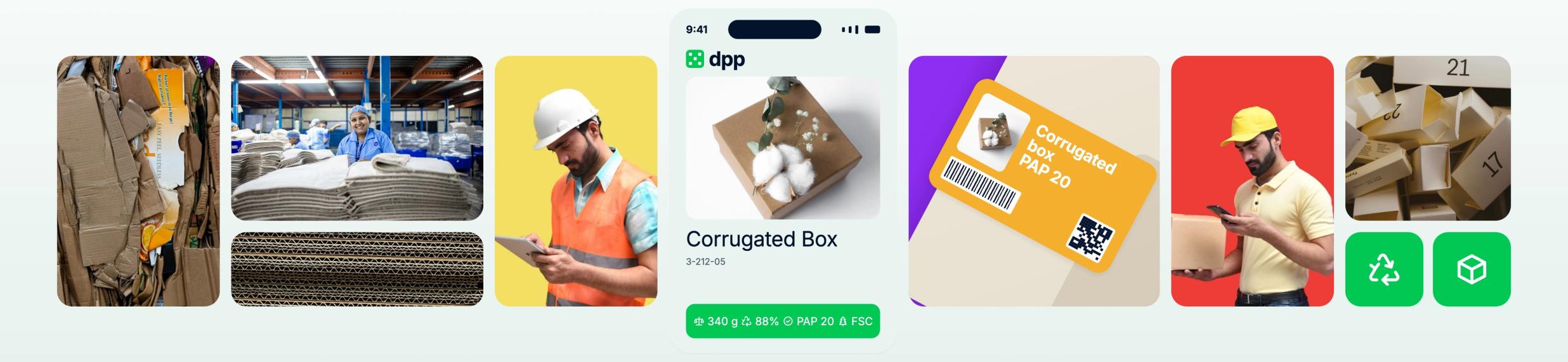
Packaging in the Digital Product Passport
The Packaging and Packaging Waste Regulation (EU) 2025/40, or PPWR, has applied since 12 August 2026. It does not create a passport for packaging. It does ask for a good deal of packaging data: an EU declaration of conformity (Article 39 and Annex VIII), the manufacturer's or importer's identity on the pack or through a QR code, information on substances of concern and, later, recyclability and recycled content.
Under Article 12, where EU law requires information on the packaged product to be provided through a data carrier, the same carrier must also provide the packaging information, with the two easily told apart. That is the strongest reason to keep both in one passport: if your product has a passport, or will have one, the packaging data belongs in it, behind the same QR code.
Regulatory framework and requirements
Packaging in the Digital Product Passport
Steps to implement a DPP
Inventory your packaging
We start with a list of your packaging per product: material, weight, supplier and the markets it is sold in.
Link it to the product
Each packaging record is added to the passport of the product it holds, so there is one record and one QR code.
Declaration and manufacturer data
The Annex VIII declaration of conformity and the manufacturer or importer details are entered once and sorted into public, professional and authority fields.
A permanent QR code on the pack
The passport gets a permanent QR code and GS1 Digital Link address, so you can print the code now and add the data behind it later.
Sorting label
When the harmonised label becomes mandatory, you print it on the pack and we add the material and sorting data to the same passport, with no new QR code.
Changes on record
Every change of material or supplier is logged with its author and date, so you can show which packaging was on the market and when.
How to bring packaging into the product passport?
We build the passport with you, with product and packaging behind one QR code
SCAN TO OPEN ON YOUR PHONE
INTERACTIVE DEMO
See a real Digital Product Passport
Open a demo passport for a corrugated box and see what sits behind the code: material, recyclability, recycled content and declaration of conformity. Scan the QR code with your phone or open the link.DPP for packaging
Frequently asked questions

Since 12 August 2026. Some duties follow later: the harmonised label from 12 August 2028 (the date may move), the reusable-packaging label from 12 February 2029, and the recycled-content and recyclability requirements by 2030.
Manufacturers, importers, fillers and distributors that place packaging on the EU market. Fast-moving consumer goods (FMCG) are first in line.
Where EU law requires a data carrier, such as a QR code, for the packaged product, the packaging information is provided through the same carrier (Article 12). The pack carries one code for both, with the two sets of data easy to tell apart.
From 12 August 2028, or 24 months after the Commission's implementing act if that is later. The act is overdue, so the date may move.
You can create one on the platform for a product that has no passport obligation yet. The packaging data and the QR code then have a home from day one.
Map packaging by material and supplier, collect recycled-content data, and decide where the QR code goes before the next artwork is signed off.
Built to last
Related industries and solutions
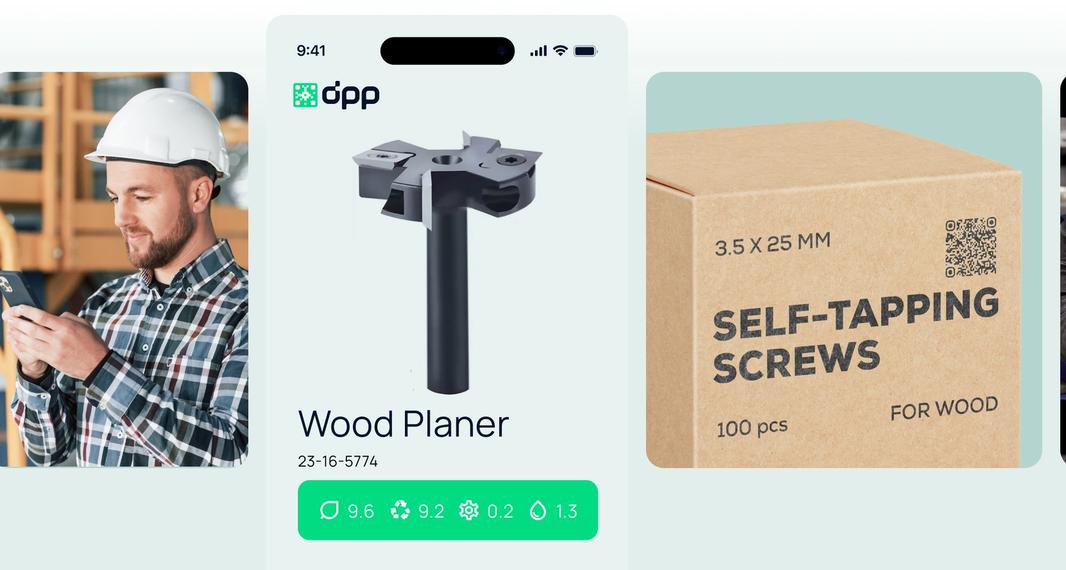
DPP for Manufacturers
Manufacturers create and maintain DPP, prove compliance and sustainability, earn trust and improve their processes.
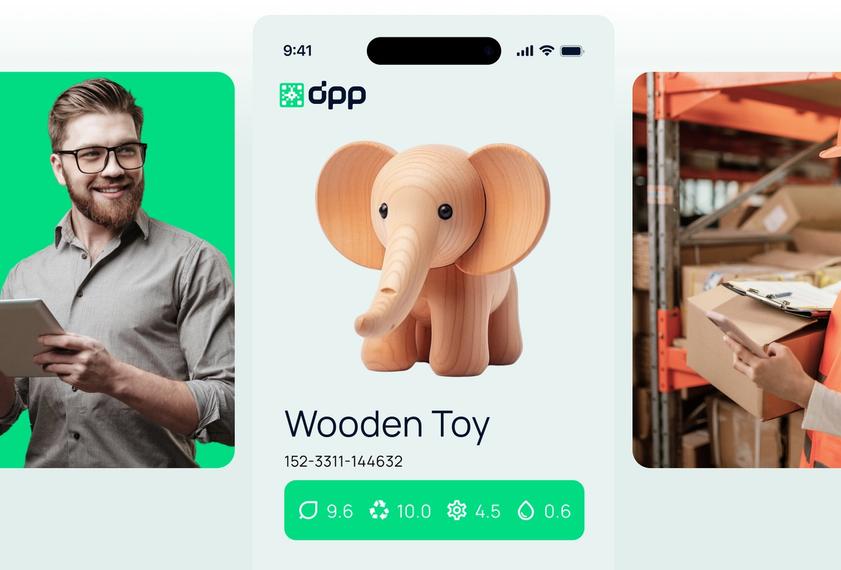
DPP for Importers
Importers ensure a valid DPP for every product and provide EU market access without risk of sanctions and delays.
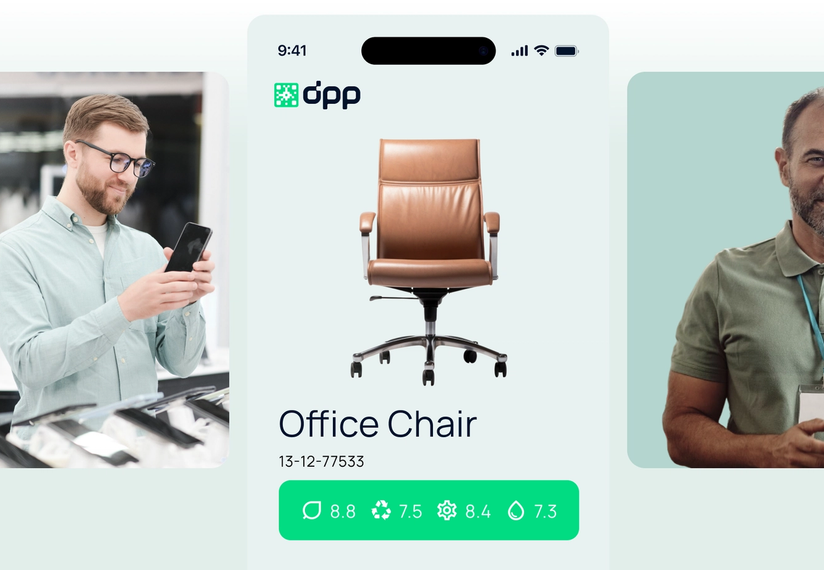
DPP for Retailers and Service Centres
DPP simplifies warranties, repairs and product tracking. Retailers and service centres receive accurate information for higher quality service.