DPP for Detergents
A passport for every model from 23 September 2029
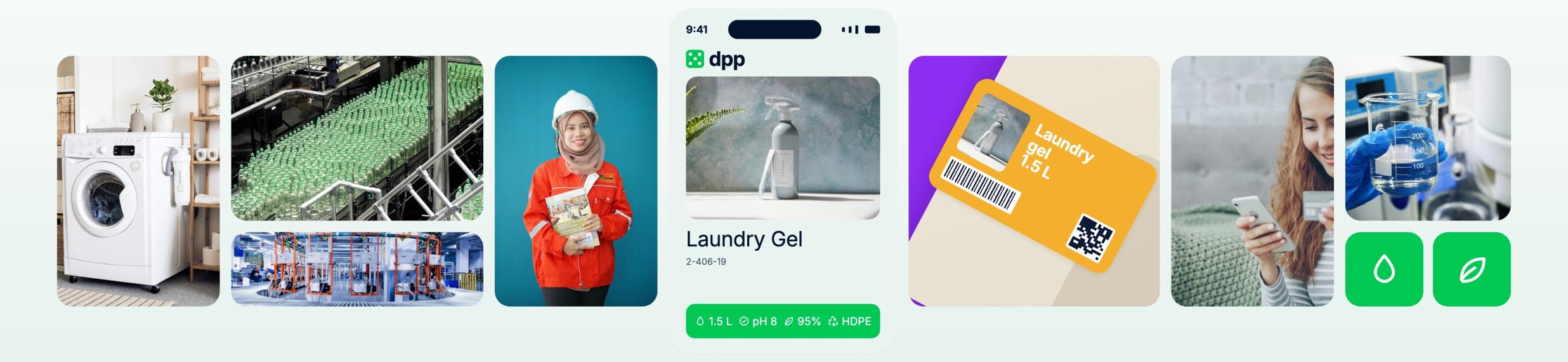
The Digital Product Passport for detergents
The new Detergents Regulation (EU) 2026/405 replaces Regulation (EC) No 648/2004, and Article 21 adds a passport. Before a detergent or a surfactant for end users goes on the market, its manufacturer creates a digital product passport for it. The passport is kept per model, holds at least the data listed in Annex VI Part A, and must be available in the official language or languages of each Member State where the product is sold. The obligation applies from 23 September 2029.
Each passport is entered in the EU registry. Customs will check it through the link between the registry and the EU Customs Single Window, from 23 September 2029 or once that link is operational, whichever is later. The digital label under Articles 18 and 19 is optional, but it opens through the same data carrier, so the passport and the label can share one QR code.
Read more about the Detergents Regulation and the Digital Product Passport →
Regulatory framework and requirements
Digital Product Passport for detergents
Steps to implement a DPP
List your models
We start with the models you place on the market, because Article 21 asks for one passport per model, not per pack.
Annex VI Part A data
You enter each model's data once, and the passport structure follows Annex VI Part A of the Regulation.
A language for every market
The platform publishes the passport in all 24 official EU languages, so a buyer in each country reads it in their own.
One QR code for passport and label
Each passport gets a permanent QR code and a GS1 Digital Link address, which can also open your digital label if you use one.
Registration in the EU registry
The passport is entered in the EU registry, which customs will use to check the product at import.
Changes on record
When a formula or label changes, the new version is logged with its author and date, and earlier versions stay in the history.
How do you bring the DPP into detergent production?
We build the passport with you, in the language of every market you sell in
SCAN TO OPEN ON YOUR PHONE
INTERACTIVE DEMO
See a real Digital Product Passport
Open a demo passport for a laundry gel and see what sits behind the code: ingredients, dosage, hazard information and packaging data. Scan the QR code with your phone or open the link.DPP for detergents
Frequently asked questions

No. Article 21(1) asks for a passport at model level, so one passport covers every unit of the same product model.
The official language or languages of each Member State where the product is sold. A detergent sold in Germany and France needs at least German and French.
No, Articles 18 and 19 make it optional. If you use one, it opens through the same data carrier as the passport.
Only surfactants sold to end users. Surfactants sold purely business to business do not need one (recital 7).
Yes, private-label importers are among the companies affected. Agree with your manufacturer who prepares the passport data and who keeps it up to date.
Collect the Annex VI Part A data for each model, list the languages each market requires, and plan space for the QR code at your next label print run.
Built to last
Related industries and solutions
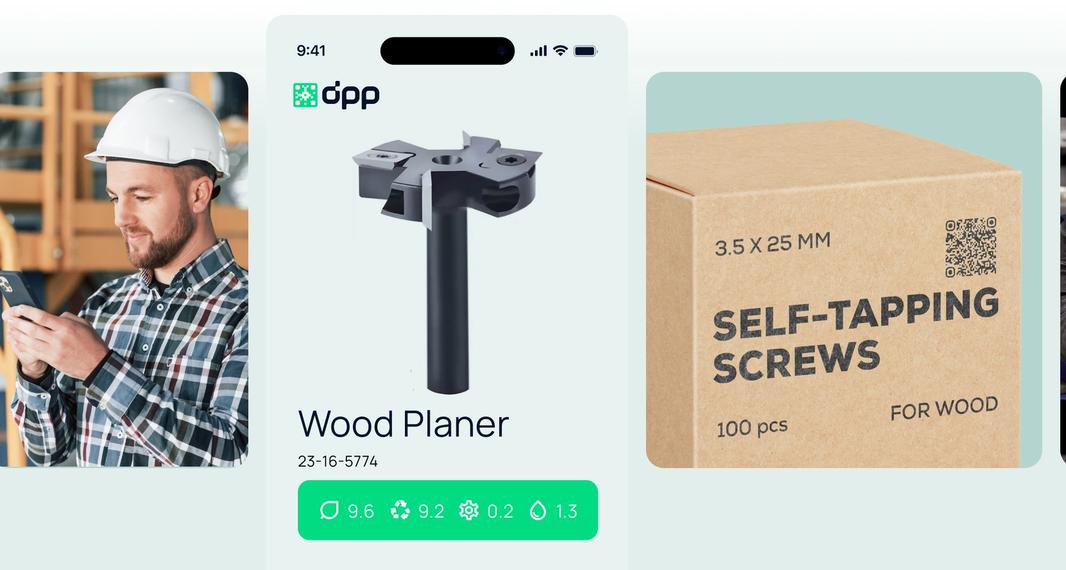
DPP for Manufacturers
Manufacturers create and maintain DPP, prove compliance and sustainability, earn trust and improve their processes.
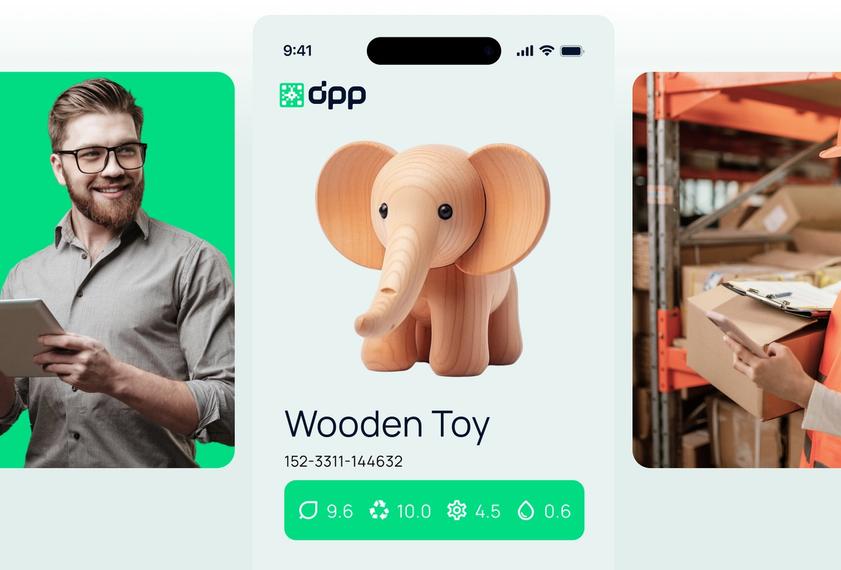
DPP for Importers
Importers ensure a valid DPP for every product and provide EU market access without risk of sanctions and delays.
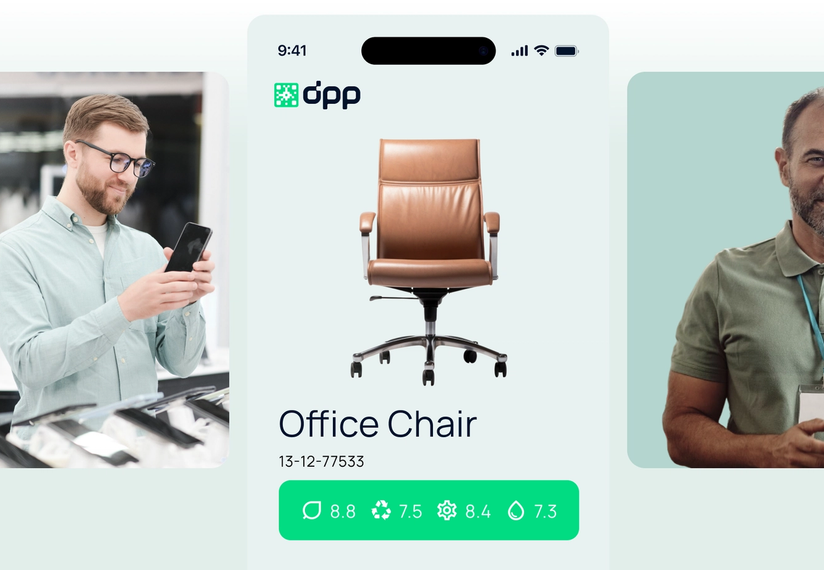
DPP for Retailers and Service Centres
DPP simplifies warranties, repairs and product tracking. Retailers and service centres receive accurate information for higher quality service.