DPP harmonised standards: EN 18216–18223, EN 18239 and EN 18246
The six cited standards, the presumption of conformity, and the two still awaiting citation

A harmonised standard is a European standard cited in the Official Journal of the EU. The citation is the legal moment: from then on, applying the standard gives a presumption of conformity with the corresponding requirements — meaning a market surveillance authority accepts that you have met the requirement unless shown otherwise.
For the Digital Product Passport that moment has arrived. Commission Implementing Decision (EU) 2026/1736 was adopted on 14 July 2026 and published in the Official Journal on 15 July 2026, citing six CEN-CENELEC standards.
What do the harmonised standards mean for your digital product passport?
The six standards fix how a passport is built: GS1 identifiers, QR as the primary carrier, durable storage and REST APIs. Applying them gives a presumption of conformity with ESPR Articles 10 and 11. They say nothing about when you need a passport. That is set by each product group's delegated act, with iron and steel, textiles and furniture among the first.
DigitalProductPassport by WIARA uses the same building blocks: passports resolve only through GS1 Digital Link paths, carry JSON-LD and are available through a REST API. Open a demo passport to see the standards at work, or check whether your product is in scope.
In short
The six cited standards
EN 18216 — data exchange protocols; EN 18219 — unique identifiers; EN 18220 — data carriers; EN 18221 — storage, archiving and persistence; EN 18222 — APIs for lifecycle management and search; EN 18223 — system interoperability.
What the presumption covers
Its scope is conformity with ESPR Articles 10 and 11, to the extent the standards cover them. It is not a general certificate of conformity with the whole regulation.
The two standards not yet cited
The security standards — EN 18239 on access rights and EN 18246 on data authentication — were not cited by this decision. CEN-CENELEC published both on 16 September 2026, but they are not yet cited in the Official Journal, so for now they give no presumption of conformity.
Horizontal, not product-specific
The six are product-agnostic. On their own they create no obligation for any product group — that comes from the delegated act for the sector concerned.
How DigitalProductPassport by WIARA uses this
EN 18216–18223 cover how a passport is built: data exchange, identifiers, data carriers, storage, APIs and interoperability. EN 18239 and EN 18246 add access rights and data authentication. The technical standards page shows how our platform implements these standards and what is not finished yet.
DigitalProductPassport by WIARA is a cloud platform built by WIARA, a software company. It builds each passport around the identifier you already use, issues a GS1 Digital Link URL with a permanent QR code for the label, and serves the same data as JSON-LD for machines and as an accessible page in 24 EU languages.
The free plan covers 3 passports in total. What the platform does is set out on the product page, and the plans and their limits are on pricing.
DPP harmonised standards (EN 18216–18223)
Frequently asked questions

No. The standards define how a passport is built. When you must build one is set by the delegated act for your product group.
Check that the platform you choose implements the decisions these standards lock in — GS1 identifiers under EN 18219, QR as primary carrier under EN 18220, durable storage under EN 18221 and REST APIs under EN 18222.
Related solutions
Solutions
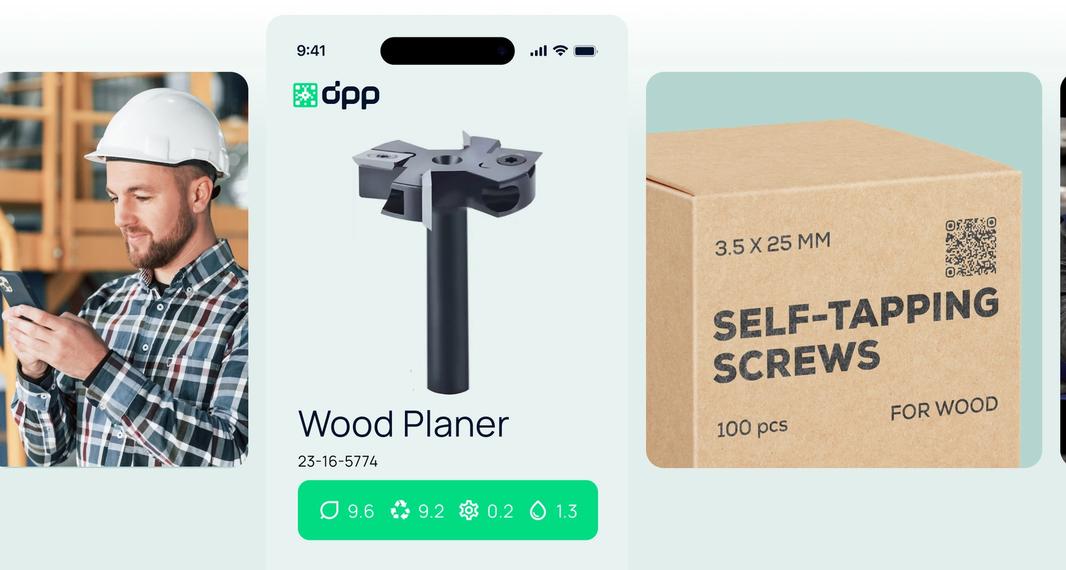
DPP for Manufacturers
Manufacturers create and maintain DPP, prove compliance and sustainability, earn trust and improve their processes.
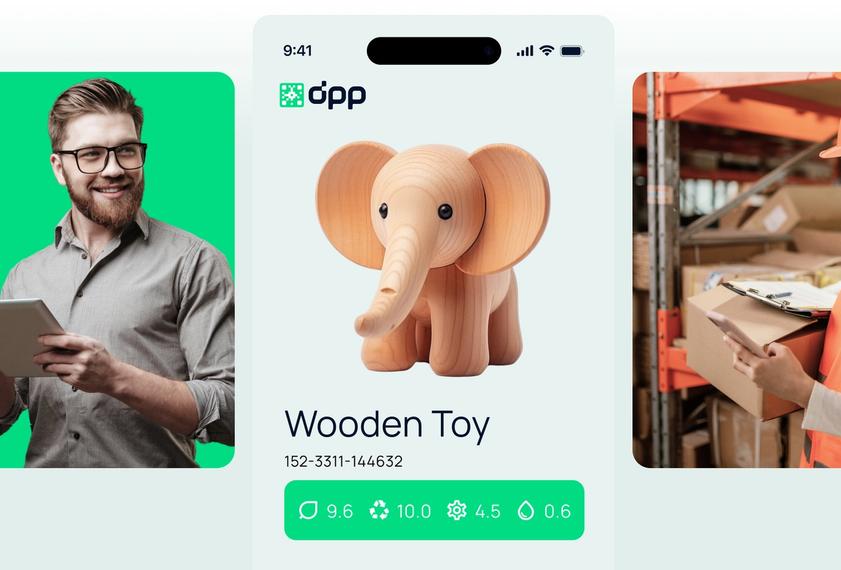
DPP for Importers
Importers ensure a valid DPP for every product and provide EU market access without risk of sanctions and delays.

DPP for Retailers and Service Centres
DPP simplifies warranties, repairs and product tracking. Retailers and service centres receive accurate information for higher quality service.