DPP for Tyres: The Priority Group Few Are Ready For

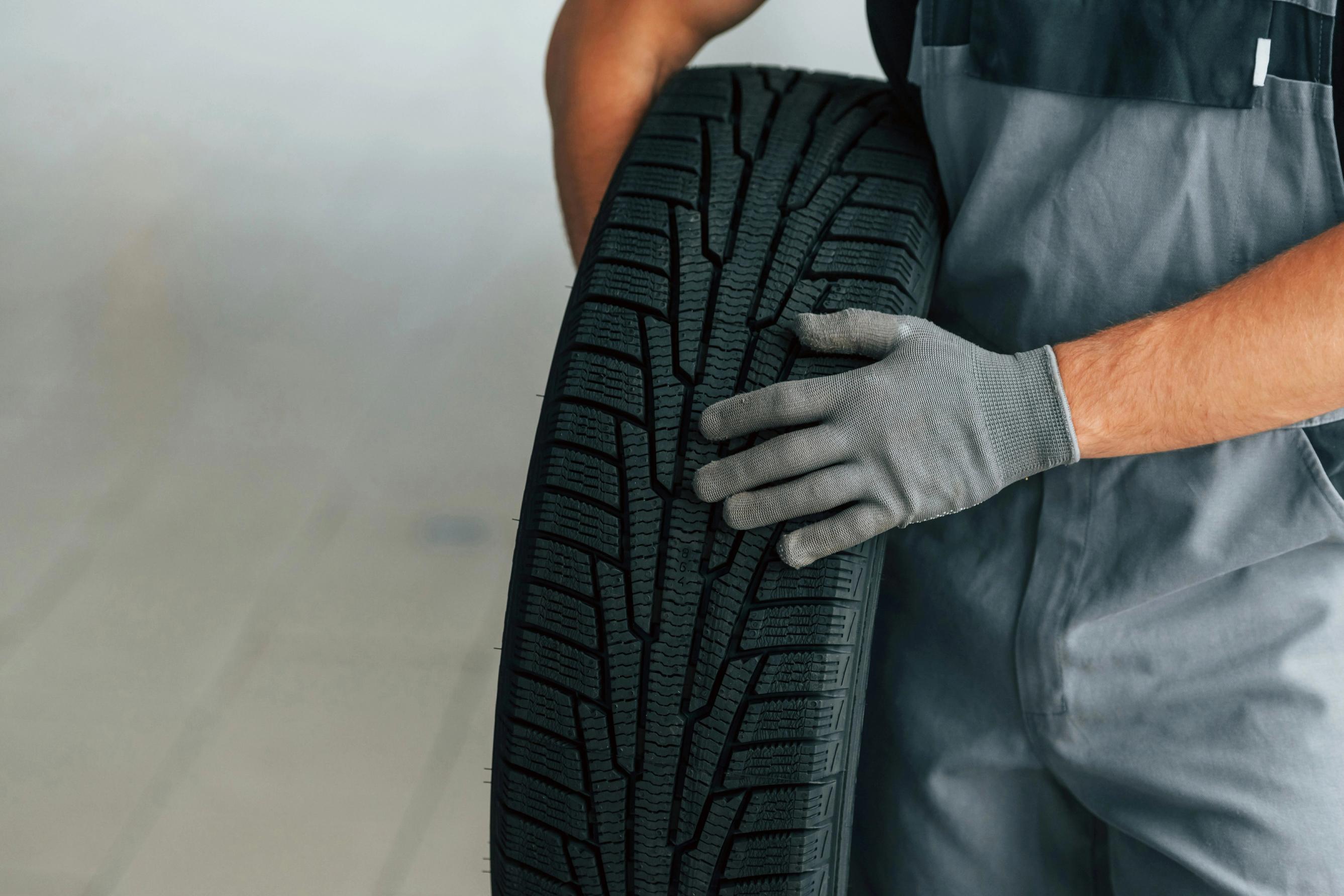
Batteries have a hard date. Textiles are in the spotlight. Tyres sit on the same EU priority list — but get the least attention, while preparation is among the hardest. If you manufacture, import, or sell tyres, that’s the reason not to wait.
Why tyres are among the priorities
Tyres are produced and replaced in enormous volumes — hundreds of millions of units a year in the EU alone — and have an extremely complex composition: around 200 different raw materials in a single product. That makes them a natural target for supply-chain transparency and recycling requirements.
There is a second, increasingly important reason: tyres are among the leading sources of microplastics. Particles from tyre wear end up in soil, water, and air, and the EU has put them under scrutiny. That is why textiles, steel, aluminium, and tyres are among the first product groups in the working plan under the Ecodesign for Sustainable Products Regulation (ESPR, Regulation (EU) 2024/1781).
Tyres don’t start from zero
Unlike some sectors, the tyre industry is already used to labels and data. The tyre label (Regulation (EU) 2020/740) already requires information on fuel efficiency, wet grip, and external rolling noise. That’s a good starting point — but only a small slice of what the passport will ask for.
Separately, the new Euro 7 rules address tyre abrasion and its associated microplastics for the first time. The Digital Product Passport builds on all of this — turning scattered labels and declarations into one complete digital profile for every tyre.
What data the tyre DPP will require
The exact fields will be set by a delegated act under ESPR, but the direction is clear. Be ready to document at least:
- Composition and materials — rubber types (natural and synthetic), carbon black, silica, steel cord, textile plies, and chemicals.
- Recycled-material content.
- Durability and mileage (service life).
- Abrasion and microplastic performance.
- Presence of hazardous chemicals and substances of very high concern (SVHC).
- Retreadability and recyclability.
- A unique product identifier and a data carrier (QR code or RFID).
Who is responsible
Responsibility for the passport falls on the economic operator that places the tyre on the EU market — the manufacturer or the importer. The aftermarket and replacement channel complicate the picture, but the obligation stays with whoever places the product on the market. If you’re not sure whether the requirements apply to you, check with our short questionnaire.
Why few are ready
The industry’s attention went to batteries (with a hard date) and textiles (consumer-visible). Tyres stayed in the shadows — even though they’re on the same priority list. Add a fragmented supply chain and an extremely complex composition (hundreds of raw materials from many suppliers), and you get a sector that lags in preparation. That’s exactly where the opportunity is: whoever starts early gets ahead of the competition.
Steps to start now
Don’t wait for the final text of the regulation. Here’s what delivers the most value today:
- Map your raw materials and suppliers — the slowest part, because of the complex composition.
- Digitise the bill of materials (BOM) in a structured format, not in emails and PDFs.
- Introduce a unique identifier — at model, batch, or item level.
- Choose a data carrier — a QR code or RFID.
- Choose a DPP approach (in-house software, SaaS, or a provider) and pilot with a single model.
When
Tyres are among the priorities in the ESPR working plan (2025–2030), and the exact requirements will come with a delegated act — expected in the 2027–2030 window. In parallel, the Euro 7 rules increase the pressure for abrasion and microplastic data. The practical takeaway is the same as for any product group: the data is collected slowly up the supply chain, so starting now is an advantage, not a rush.
Want to see how the whole timeline lines up by product group? See our DPP deadlines page.
Explore the solutions
Solutions for your role in the chain
DPP for tyres
From a European label to a full passport — composition, performance, recycled content and end of life.

DPP for Manufacturers
Manufacturers create and maintain DPP, prove compliance and sustainability, earn trust and improve their processes.

DPP for Importers
Importers ensure a valid DPP for every product and provide EU market access without risk of sanctions and delays.
DPP for tyres
Frequently asked questions

The exact date will be fixed in a delegated act under ESPR; requirements are expected in the 2027–2030 window. The battery passport (from February 2027) is a separate timeline.
The tyre label (Regulation (EU) 2020/740) already requires fuel-efficiency, grip, and noise data, while Euro 7 adds abrasion and microplastic requirements. The DPP unifies all of this into a single digital profile for the tyre.
The economic operator that places the tyre on the EU market. For domestically made tyres that is the manufacturer; for imported ones, the importer.
Composition and materials, recycled-material content, durability, abrasion metrics, chemicals used, and retreadability and recyclability. This data comes from your suppliers and is collected slowly — so start early.
Ready for the tyre DPP?
Book a free 30-minute consultation — we’ll review your products, data, and timeline and give you a clear next step.