EU Just Banned the Destruction of Unsold Textiles — Is Your DPP Timeline Ready?
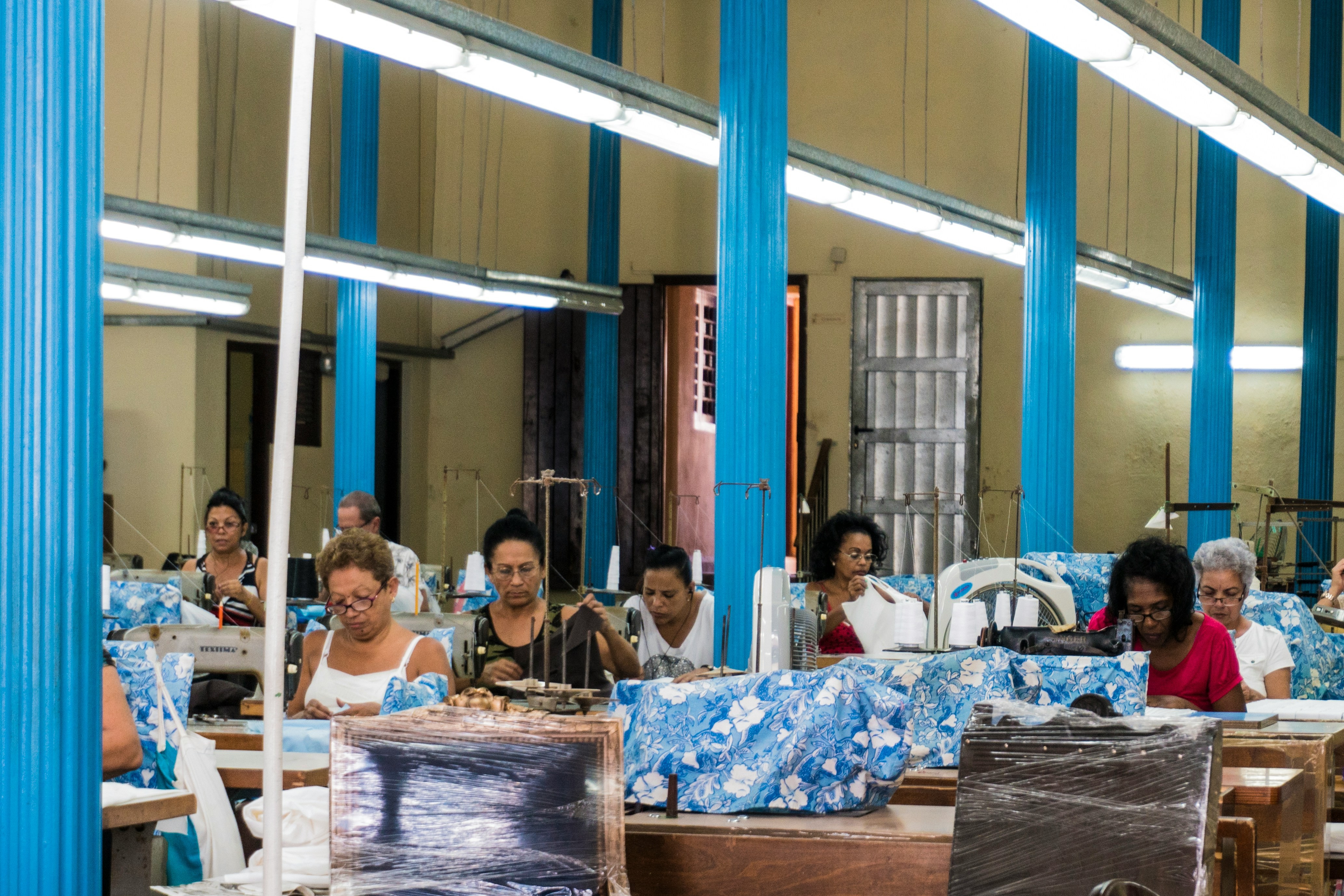
On February 9, 2026, the European Commission took a landmark step: it approved the first delegated acts under the Ecodesign for Sustainable Products Regulation (ESPR). Targeting the textile and footwear industries, the message is clear—the era of destroying unsold goods is over, and the Digital Product Passport (DPP) is officially on the horizon.
If you manufacture, import, or sell textiles in the EU market, the clock isn't just ticking—it's racing. Here is the breakdown of what happened and what it means for your business.
The new ESPR delegated acts introduce two massive shifts for textiles, apparel, accessories, and footwear:
The Environmental Impact: Between 4% and 9% of all textiles produced in the EU are destroyed before ever reaching a customer. This generates 5.6 million tonnes of CO₂ emissions every year—a waste stream the EU is determined to eliminate.
Based on the latest Commission updates, here is your transition schedule:
A Digital Product Passport is not just a digital version of a physical tag. It is a fundamental shift in how product information is created and shared. To be compliant by 2029, your systems must support:
Waiting until 2029 is a high-risk strategy. Major retailers like H&M, Zara, and Primark are already auditing their supply chains for DPP readiness.
If you are a manufacturer, being "DPP-ready" by 2027 isn't just about avoiding fines—it's about securing your contracts. Western European buyers will prioritize suppliers who can provide seamless digital data over those who still rely on manual processes.
DigiProductPass is purpose-built for SME manufacturers and brands navigating ESPR compliance. Unlike complex, high-priced enterprise software, our platform offers:
The ESPR framework is now law. Don't wait for the 2027 disclosure deadline to start organizing your data.
WIARA and DPP

DPP for the Furniture Industry
DPP ensures transparency for the materials used, facilitates reuse and recycling. It proves the sustainability of production.

DPP for Textiles
DPP provides traceability from fibre to recycling, proves brands' sustainability, and inspires consumer confidence.

DPP for Construction Products
DPP ensures transparency for the composition and sustainability of construction materials, facilitating proof of origin and compliance with standards.
WIARA and DPP

The specific "Apparel Act" (the delegated act for textiles) is expected to be finalized by late 2027. Following a standard 18-month implementation window, the DPP will become a mandatory requirement for all textile products placed on the EU market by early 2029.
Most standard ERPs are not built to handle the "lifecycle" data required by the EU, such as multi-tier supplier origins or repair instructions. DigiProductPass acts as a bridge; it integrates with your current ERP to extract basic data and then enriches it with the sustainability and circularity metrics needed to generate a compliant DPP and WIARA report.
Non-compliance can lead to significant financial penalties, but the bigger risk is market exclusion. EU customs and major retailers (like Zalando or Inditex) will require verified digital data for all incoming stock. Without a compliant reporting structure, your products may be blocked from entering the EU single market or delisted by major partners.
Yes. The regulation is based on the "market of sale," not the "market of origin." If you manufacture textiles in Turkey, Asia, or the Balkans but sell them to customers in Germany, France, or any other EU state, those products must carry a Digital Product Passport.
While 2029 is the final deadline for the physical passport, the data collection must start now. Gathering Tier-2 and Tier-3 supplier data (spinning, dyeing, weaving) often takes 12–18 months to set up. Starting early with DigiProductPass allows you to pilot one product line, iron out your supply chain data gaps, and position your brand as a "preferred sustainable partner" before the 2027 reporting crunch.

 Kiril Shivachev•August 4, 2026•4 min read
Digital Product Passport for Clothing: The Roadmap for Fashion Brands (2026–2030)
 Anita Kisimova-Dzakova•July 1, 2026•3 min read
The DPP and the right to repair: How the passport obliges manufacturers to design for durability
 Anita Kisimova-Dzakova•June 26, 2026•5 min read
Model, Batch or Item: Which DPP passport level do you actually need?
 Kiril Shivachev•June 24, 2026•5 min read
WIARA launches the DPP Partner Program — a new business model for consultants and agencies
 Anita Kisimova-Dzakova•June 23, 2026•3 min read
DPP for importers: Why responsibility for the passport is yours, even if you didn't make the product
 Anita Kisimova-Dzakova•June 12, 2026•6 min read
DPP and EPR: How Extended Producer Responsibility Is Changing for Bulgarian Business
 Anita Kisimova-Dzakova•May 18, 2026•9 min read
Cybersecurity and the DPP: How to protect Digital Product Passports from hackers and counterfeits
 Anita Kisimova-Dzakova•May 14, 2026•7 min read
DPP and ERP: How to Automate the Digital Product Passport Without Operational Chaos
 Anita Kisimova-Dzakova•May 7, 2026•6 min read
"Made in Bulgaria" + DPP = Premium Image on the World Market
 Anita Kisimova-Dzakova•April 27, 2026•6 min read
Subsidies for Digital Product Passport in Bulgaria
 Anita Kisimova-Dzakova•April 24, 2026•6 min read
"The Ostrich Strategy": How the Lack of DPP Can Bankrupt Your Business
 Anita Kisimova-Dzakova•April 22, 2026•8 min read
End of "Greenwashing": The Digital Passport Revolution
 Anita Kisimova-Dzakova•April 17, 2026•8 min read
Trade Secret vs. Transparency: Security in the DPP Era
 Anita Kisimova-Dzakova•April 7, 2026•5 min read
DPP and Ethics: The Future of Transparent Manufacturing
 Anita Kisimova-Dzakova•April 6, 2026•5 min read
The Future of DPP: What Innovations to Expect in the Next 5 Years?
 Anita Kisimova-Dzakova•March 31, 2026•5 min read
A Comparison of Regional Approaches to DPP in Europe and the USA
 Anita Kisimova-Dzakova•March 26, 2026•5 min read
DPP in Education: The Path to Sustainable Development
 Anita Kisimova-Dzakova•March 24, 2026•5 min read
Digitalization of Supply Chains with DPP

 Stefan Dyankov•March 6, 2026•6 min read
A Wardrobe Revolution: The Digital Passport as an Engine of Textile Innovation
 Stefan Dyankov•March 6, 2026•6 min read
End of "Buy and Throw Away": The Digital Product Passport Revolution
 Kiril Shivachev•March 4, 2026•2 min read
WIARA Is Now ISO 27001 Certified
 Stefan Dyankov•February 25, 2026•6 min read
DPP and the second use (Re-commerce): How will the passport change the used goods market in Bulgaria?
 Kiril Shivachev•February 19, 2026•6 min read
How can SMEs implement digital passports on a budget?
 Kiril Shivachev•February 11, 2026•3 min read

The EU has banned the destruction of unsold clothes: What does this mean for the Bulgarian textile business?
 Stefan Dyankov•February 10, 2026•6 min read
From compliance to competitive advantage: How to use DPP for green marketing
 Kiril Shivachev•February 2, 2026•4 min read
DPP as a Tool for Competitive Advantage
 Kiril Shivachev•September 23, 2025•7 min read
The Digital Product Passport in the Textile Industry and the Future of RFID Threads
 Kiril Shivachev•September 8, 2025•8 min read
The Digital Product Passport (DPP) – the new digital identity card of products

Get Started
Schedule a meetingDPP for Textiles
DPP for Steel and Iron
DPP for Batteries
DPP for Construction Materials
DPP for Furniture
DPP for Manufacturers
ESPR - Core Framework
DPP - Digital Product Passport
Work Plan 2025-2030
DPP - First Affected Industries
Partner Program
Technical standards
FAQ
Deadlines
CPR - Construction Products
Regulations
Battery Regulation & battery passport
PPWR – Packaging Regulation
CRMA – Critical Raw Materials Act
CBAM – carbon border adjustment
Toy Safety Regulation (EU) 2025/2509
Detergents Regulation (EU) 2026/405
Right to Repair – Directive 2024/1799
Green claims & greenwashing – ECD 2024/825
Textile EPR – Waste Framework Directive
CEA – Circular Economy Act
EPA – European Product Act
© 2026 WIARA DAAS Ltd.
All rights reserved.