DPP and the second use (Re-commerce): How will the passport change the used goods market in Bulgaria?

The used goods market in Bulgaria is no longer niche or marginal. From online platforms for clothes and electronics, through physical second-hand stores, to B2B sales of refurbished equipment - re-commerce is gradually becoming a real part of the economy. At the same time, the European Union is introducing the Digital Product Passport as a key tool for sustainability, circular economy and transparency.
At first glanceDPPseems to be mainly aimed at new products. In reality, however, it is the second-hand market that is one of the sectors that will be most transformed. The passport changes not only the way products are sold, but also the way their quality, origin and residual value are proven.
In this article, we look at how the DPP will affect the used goods market in Bulgaria, what opportunities it will open up and what challenges it will pose to traders, platforms and consumers.
Until now, the used goods market in Bulgaria was driven mainly by the visible condition of the product and by the trust between seller and buyer. Buyers often evaluate goods "by eye" and information about the origin, repairs or actual age of the product is incomplete or passed on verbally.
DPP introduces a different logic. A product is no longer just a physical object, but a carrier of data – about materials, use, repairs, service history and reusability. This fundamentally changes the way the value of a used product is assessed.
One of the main objectives of the DPP under the ESPR Regulation is to extend the life cycle of products. This means that the secondary market is no longer a "side effect" but a planned part of the product's life. When product information is available and traceable:
How the DPP will change confidence in the used market
In Bulgaria, the market for used goods often suffers from low confidence, especially for electronics, household appliances and cars. The DPP introduces a new standard of verifiable information instead of promises. When a used product has a digital passport available, the buyer can see:
This significantly reduces risk and changes buyer behavior.
One of the paradoxes of re-commerce is that better quality products are often harder to sell because quality cannot be proven. DPP solves exactly this problem. Used product with:
May sell for a higher price than an "anonymous" equivalent. This is a key change for the Bulgarian market.
This is one of the segments that will most quickly feel the effect of DPP. The passport allows:
For Bulgarian sellers of refurbished equipment, this means easier trust building and stronger positioning compared to imported platforms.
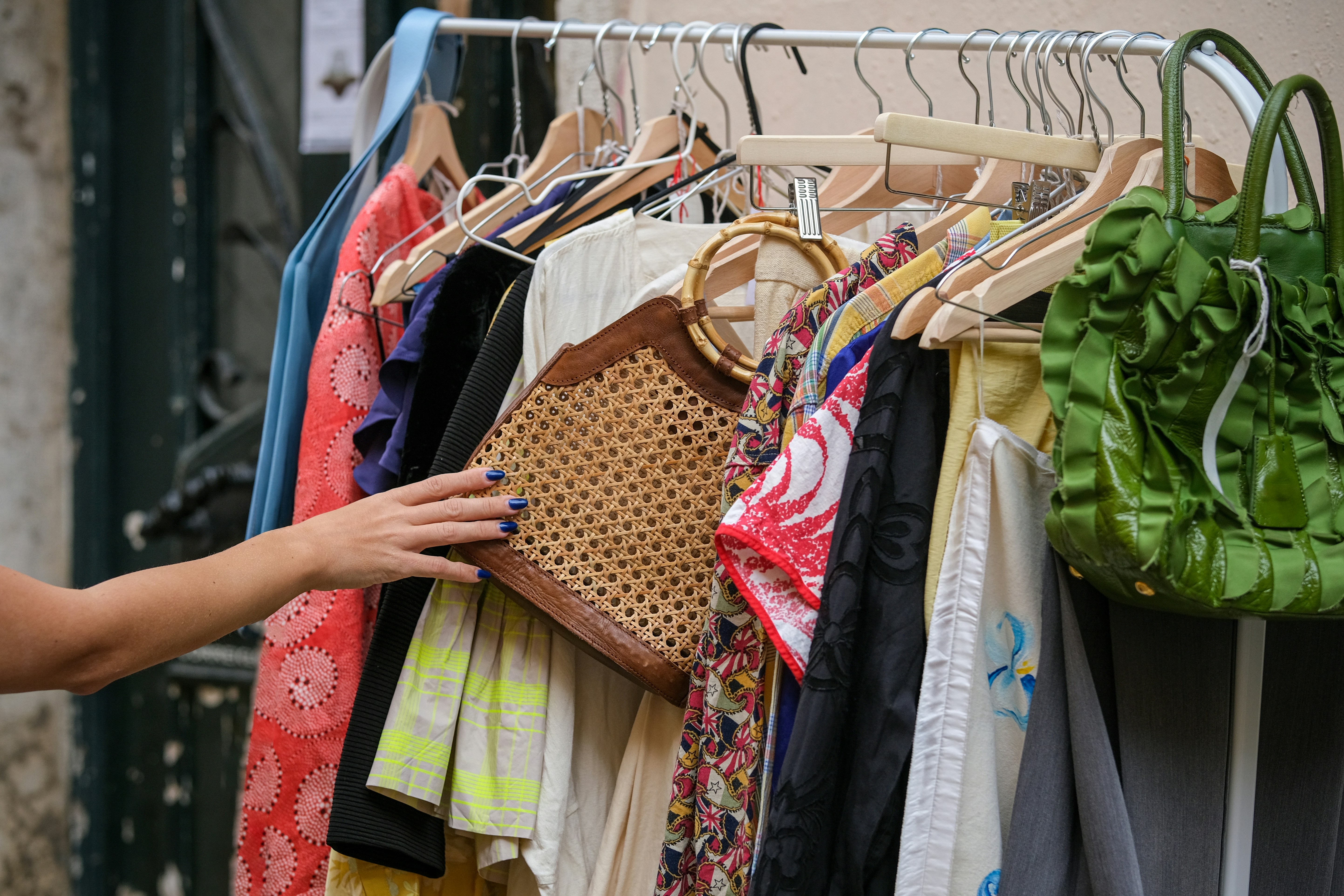
The second use of clothes is extremely popular in Bulgaria, but there is often a lack of transparency regarding:
DPP allows second-hand fashion platforms to show not just "condition", but the real value of the product.
Although the automotive sector has its own regulations, the logic of the DPP will carry over here as well. The passport supports:
For many marketers, DPP will initially seem like an extra effort – a need for data, structure and processes. However, in reality, the passport can become a competitive advantage.
Merchants who are the first to integrate DPP logic, display data instead of generic descriptions, and train their customers on how to "read" the passport will clearly stand out from the rest.
DPP promotes the transition from one-time sales to services - repair, renovation, resale. This opens up new business models for the Bulgarian market as well.
Online second-hand platforms will be under increasing pressure to:
In the long run, this will lead to a more professionalized market.
When information is clear and traceable, it reduces:
Many small traders in Bulgaria still work without structured data. The DPP will require:
In the short term, there will be costs – time, organization, tools. However, they are significantly lower than the risk of being out of the market in the medium term.
Bulgarian consumers are becoming increasingly sensitive to quality and sustainability. DPP accelerates this process by providing real data, not marketing promises.
When the product has a passport, "second-hand" no longer means a compromise, but an informed choice.
The DPP will bring the secondary market out of the gray area and integrate it into the formal economy. For Bulgaria, this means:
The digital product passport will transform the used goods market in Bulgaria not through prohibitions, but through transparency. It will make the product's story visible, its value measurable and trust more easily attainable.
For marketers, this is an opportunity to stand out. It's a chance for platforms to build more sustainable models. It will be a safer and more informed choice for consumers. Re-commerce with DPP is no longer a future concept, it is the next logical step towards a more mature, fairer and more sustainable market.
WIARA with a complete DPP solution

DPP for the Furniture Industry
DPP ensures transparency for the materials used, facilitates reuse and recycling. It proves the sustainability of production.
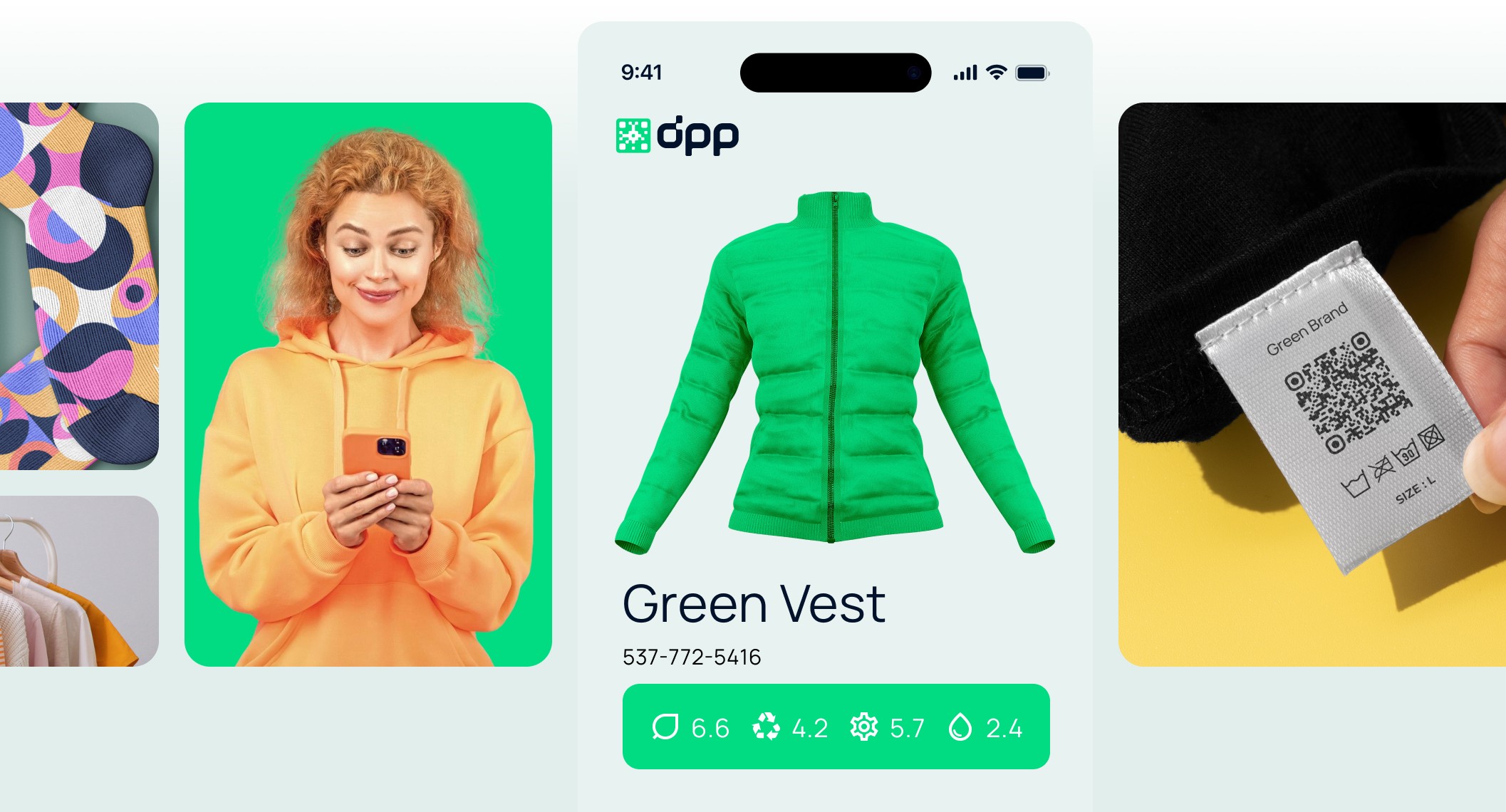
DPP for Textiles
DPP provides traceability from fibre to recycling, proves brands' sustainability, and inspires consumer confidence.
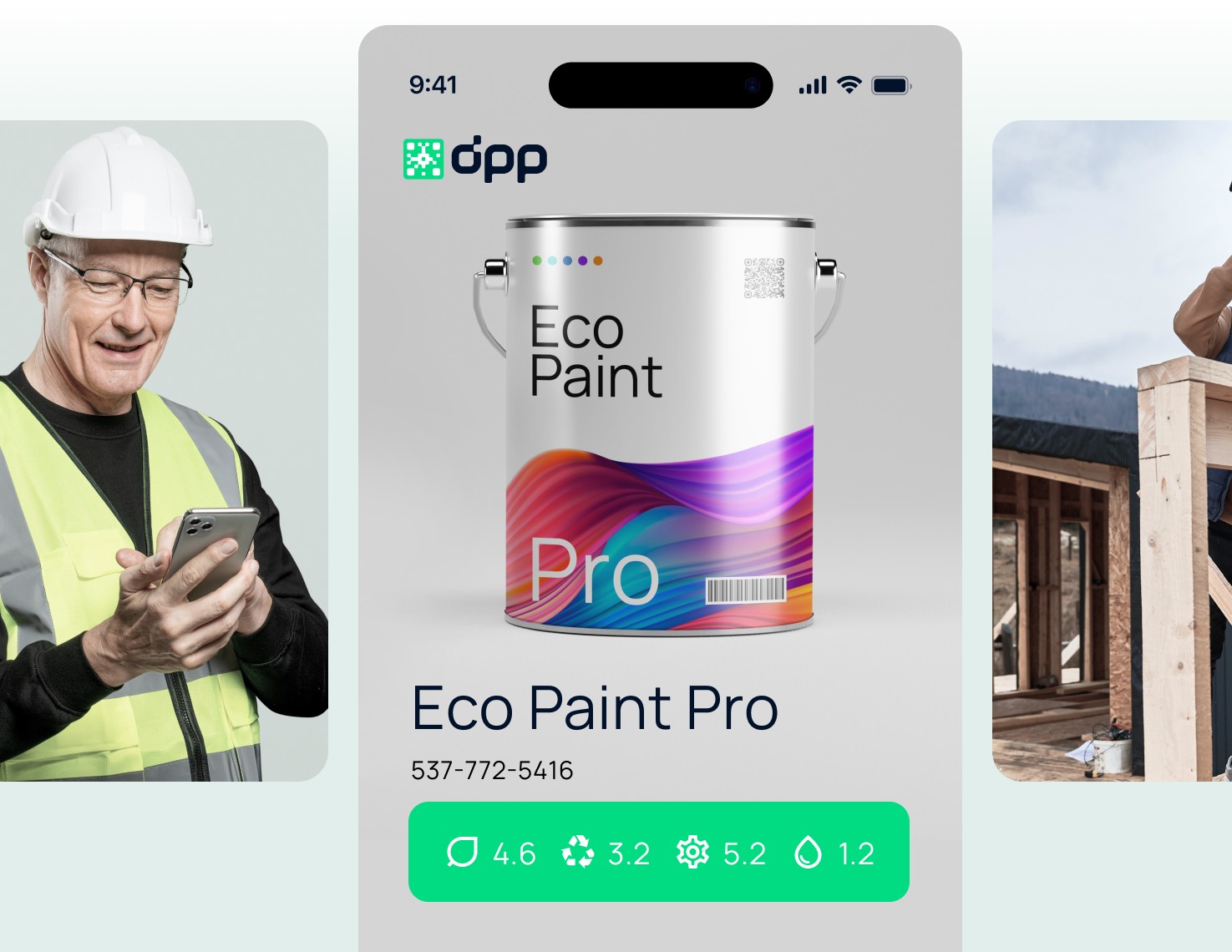
DPP for Construction Products
DPP ensures transparency for the composition and sustainability of construction materials, facilitating proof of origin and compliance with standards.
DPP

DPP will not automatically increase the price of all used products. Instead, it will lead to clearer price differentiation. Products with a demonstrable history, clear information on condition and repairs, and available maintenance instructions will retain a higher residual value. On the other hand, items without any information will be harder to sell or trade at lower prices. This is especially relevant for electronics, appliances and more expensive textiles.
Yes, but not necessarily negatively. Small traders will not be directly required to create a DPP, but the market logic will change. Customers will gradually start looking for more information and transparency. Merchants who display the available data in an understandable way, explain the origin and condition of the goods, use QR codes or digital descriptions, will have an advantage over those who rely only on visual description and verbal assurances.
Products without DPP will not disappear overnight. The Bulgarian market will remain mixed for a long time with goods with and without a digital passport. The difference will be in trust. Over time, consumers will get used to seeing products with a clear history and will start asking more questions. This will gradually reduce the demand for completely "anonymous" used goods, especially in the higher price segment.
One of the biggest problems in the re-commerce market is hidden defects, false claims of origin, manipulated information about the condition of the product. DPP does not completely eliminate these risks, but it significantly limits them by providing a verifiable database. When repairs, components and materials are documented, the possibility of misrepresentation is reduced.
On the contrary. In the long run, DPP will make the process easier and more secure. Instead of relying on subjective descriptions, users will be able to quickly verify key information via a QR code or digital profile. There will be an adaptation period, but in time "reading" a product passport will become as normal as checking specifications or reviews is today.

 Kiril Shivachev•August 20, 2026•5 min read
What a Digital Product Passport actually looks like — field by field

 Anita Kisimova-Dzakova•June 26, 2026•5 min read
Model, Batch or Item: Which DPP passport level do you actually need?
 Kiril Shivachev•June 24, 2026•5 min read
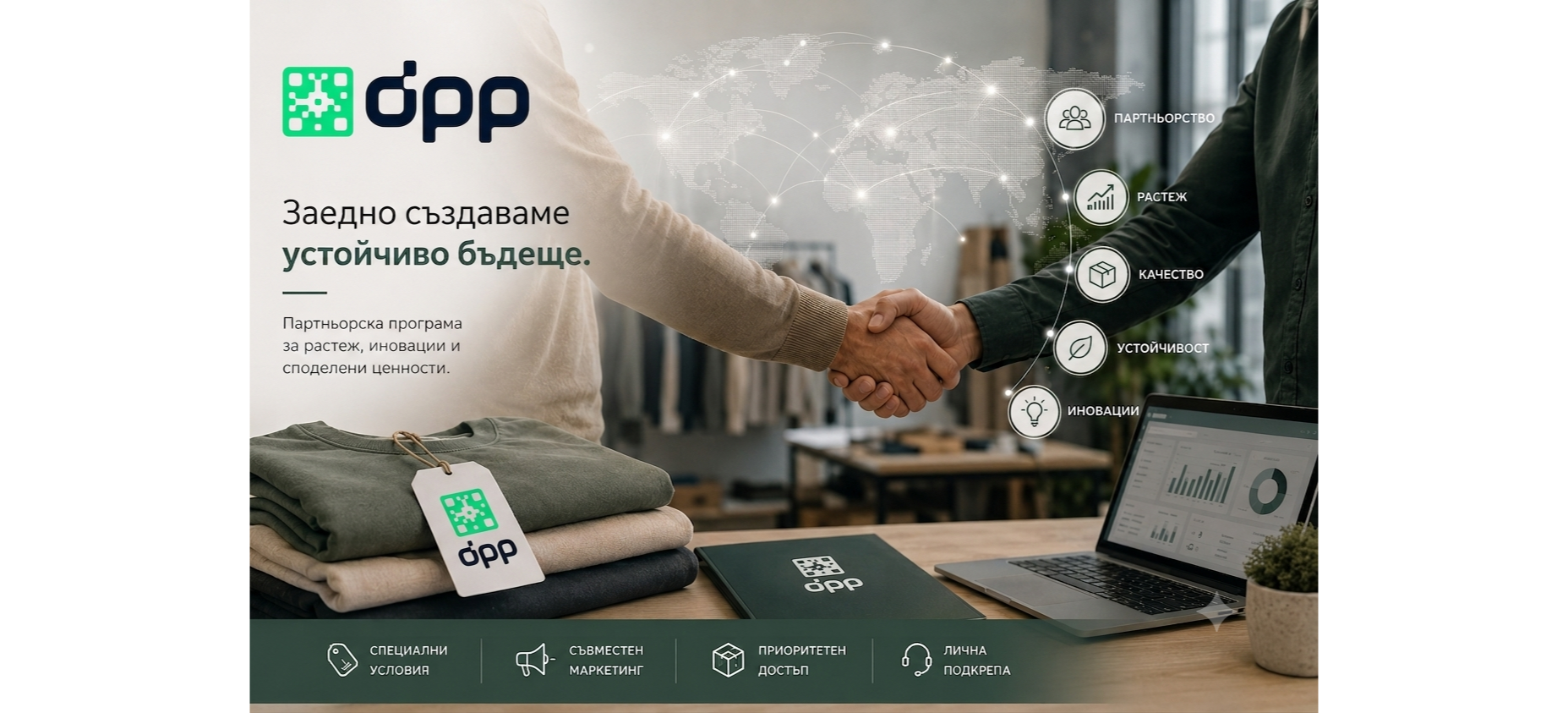
WIARA launches the DPP Partner Program — a new business model for consultants and agencies
 Anita Kisimova-Dzakova•June 15, 2026•4 min read
DPP for furniture: How to prove the sustainable origin of every board to the European buyer
 Anita Kisimova-Dzakova•June 4, 2026•9 min read
DPP Audit: Who Verifies Whether the Data in Your Passport Is Correct and What Are the Penalties?
 Anita Kisimova-Dzakova•May 29, 2026•6 min read
DPP in FMCG: How the digital passport ends silent packaging
 Anita Kisimova-Dzakova•May 18, 2026•9 min read
Cybersecurity and the DPP: How to protect Digital Product Passports from hackers and counterfeits
 Anita Kisimova-Dzakova•May 14, 2026•7 min read
DPP and ERP: How to Automate the Digital Product Passport Without Operational Chaos
 Anita Kisimova-Dzakova•May 7, 2026•6 min read
"Made in Bulgaria" + DPP = Premium Image on the World Market
 Anita Kisimova-Dzakova•April 27, 2026•6 min read
Subsidies for Digital Product Passport in Bulgaria
 Anita Kisimova-Dzakova•April 24, 2026•6 min read
"The Ostrich Strategy": How the Lack of DPP Can Bankrupt Your Business
 Anita Kisimova-Dzakova•April 20, 2026•8 min read
Digital product passport: The future of Bulgarian furniture
 Anita Kisimova-Dzakova•April 7, 2026•5 min read
DPP and Ethics: The Future of Transparent Manufacturing
 Anita Kisimova-Dzakova•April 6, 2026•5 min read
The Future of DPP: What Innovations to Expect in the Next 5 Years?
 Anita Kisimova-Dzakova•March 31, 2026•5 min read
A Comparison of Regional Approaches to DPP in Europe and the USA
 Anita Kisimova-Dzakova•March 26, 2026•5 min read
DPP in Education: The Path to Sustainable Development
 Stefan Dyankov•March 6, 2026•6 min read
End of "Buy and Throw Away": The Digital Product Passport Revolution
 Kiril Shivachev•March 4, 2026•2 min read
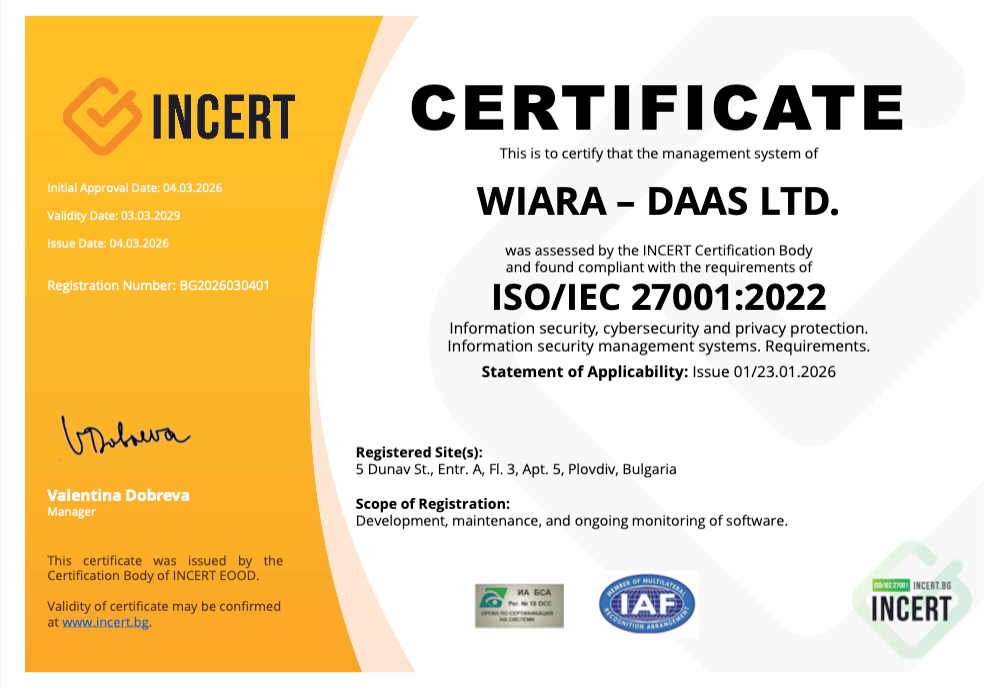
WIARA Is Now ISO 27001 Certified
 Kiril Shivachev•February 19, 2026•6 min read
How can SMEs implement digital passports on a budget?
 Stefan Dyankov•February 10, 2026•6 min read
From compliance to competitive advantage: How to use DPP for green marketing
 Kiril Shivachev•February 2, 2026•4 min read
DPP as a Tool for Competitive Advantage
 Kiril Shivachev•October 8, 2025•7 min read
DPP for Furniture Industry
 Kiril Shivachev•September 8, 2025•8 min read
The Digital Product Passport (DPP) – the new digital identity card of products
Ensure full transparency from production to second use. With WIARA's DPP solution, the history and originality of each product is just a QR code away.

Get Started
Schedule a meetingDPP for Textiles
DPP for Steel and Iron
DPP for Batteries
DPP for Construction Materials
DPP for Furniture
DPP for Manufacturers
ESPR - Core Framework
DPP - Digital Product Passport
Work Plan 2025-2030
DPP - First Affected Industries
Partner Program
Technical standards
FAQ
Deadlines
CPR - Construction Products
Regulations
Battery Regulation & battery passport
PPWR – Packaging Regulation
CRMA – Critical Raw Materials Act
CBAM – carbon border adjustment
Toy Safety Regulation (EU) 2025/2509
Detergents Regulation (EU) 2026/405
Right to Repair – Directive 2024/1799
Green claims & greenwashing – ECD 2024/825
Textile EPR – Waste Framework Directive
CEA – Circular Economy Act
EPA – European Product Act
© 2026 WIARA DAAS Ltd.
All rights reserved.