DPP in construction: How will the new regulations change Europe's construction materials market?

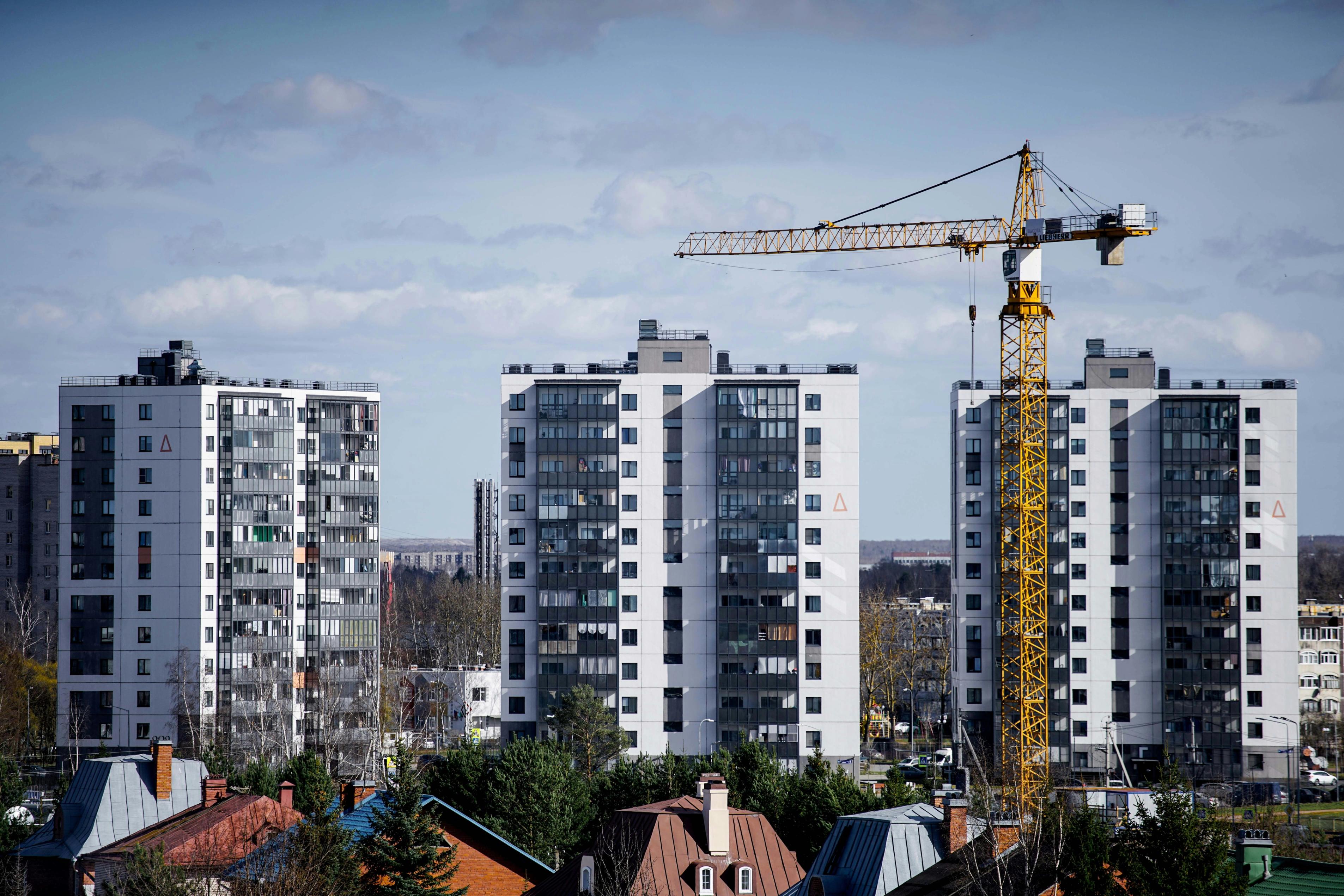
Construction drives economies across Europe. From new housing to large infrastructure projects, it shapes the places we live in. The industry now faces one of its biggest changes, and this time it arrives not as a new type of concrete but as data.
The European Union is introducing the Digital Product Passport, and for the building materials market it means the end of opaque supply chains. This article looks at how the new rules will affect the sector, with particular attention to one of its most important materials: metals.
What exactly is DPP?
Before diving into the specifics of rebar and steel beams, let's clear up the concept. Think of DPP as a digital TIN for every building material. It's not just a barcode on the package. This is a detailed, secure digital file, most commonly accessed by scanning a QR code or NFC tag, that tracks the entire product life cycle.
From the mine, through smelting at the steel plant, transport across borders and installation in the foundations of a building, to recycling decades later, a product's history can be recorded. The passport holds data on:
- The origin of the raw materials
- The carbon footprint of production and transport
- The chemical composition
- Instructions for safe disassembly and recycling
- Certificates of quality and compliance with environmental standards
For construction companies, "we got the materials at a good price but don't know exactly where they came from" will soon stop being an acceptable answer.
Why is the regulatory focus falling so heavily on metals?
When we talk about ecology and construction, we often think of insulation and window frames. However, the truth is that the skeleton of every modern building is metal.
Steel and aluminum are the backbone of the industry
Metals are fundamental to construction. Steel rebar gives concrete strength, structural steel holds up industrial sheds, and aluminum is key to modern facades and joinery. The problem is that metallurgy is one of the most energy-intensive and polluting industries worldwide. The production of one ton of primary steel generates on average about 1.85 tons of carbon dioxide.
The European Union knows this very well. To achieve the goals of the Green Deal, Europe must decarbonise its metals. This is where the DPP comes in. By passporting the metals, it is ensured that builders cannot simply buy the cheapest third-party steel produced in factories without any environmental standards, without it shining on the building's record.
The carbon footprint and CBAM
Europe imports large quantities of steel and aluminium from outside the EU. Alongside the passport sits the Carbon Border Adjustment Mechanism (CBAM), in its definitive phase since 1 January 2026. The two are separate instruments: CBAM puts a carbon price on the emissions embedded in imported goods such as steel, aluminium and cement, while the passport documents the product itself. Both depend on reliable emissions data from the producer.
The effect is that high-emission metal becomes more expensive to import, and low-carbon steel, made with renewable energy or from recycled scrap, becomes more competitive on the European market.
What the DPP means for the construction market
The change will not happen overnight, but it has started. What will it look like in practice?
An end to opaque supply chains
Construction materials often lack traceability. Products pass through several resellers before they reach the site, and information about their exact specification gets lost on the way. With metals this matters: different grades of reinforcing steel have different properties.
With DPP, any general contractor or supervisor will be able to check with their smartphone whether the steel delivered to the site corresponds exactly to what was laid down in the architectural and structural design. This will drastically reduce misuse and the use of substandard or counterfeit materials, which directly increases the safety of buildings.
New rules for public procurement
Green public procurement is becoming standard practice. When a municipality or a national authority commissions a bridge, a motorway or a hospital, the lowest price will no longer be the only thing that counts.
The tender documents will require materials with a specified environmental profile, proven through their DPP. Companies that cannot provide such digital passports for input materials will simply be disqualified from major state and European projects.
How will DPP change the work of different actors in the sector?
The change will affect everyone in the chain, from the foundry to the investor who cuts the ribbon on the finished object.
For metal producers and importers
Producers of metals and metal products, and large distributors, will need to invest in IT. Compiling passport data means bringing together information from raw-material suppliers, plant energy consumption and logistics.
For European producers this is a real opportunity. An aluminium profile manufacturer that can quickly adopt the passport and prove a high share of recycled material and renewable energy becomes a sought-after partner across Europe. Importers that rely on cheap steel of unclear origin will find it harder to sell.
For construction contractors and designers
Architects and constructors will now have to design not only with statics in mind, but also with the life cycle of materials. They will place in their projects metals with specific DPP requirements.
For builders, this means a change in supply. They will need to request the passports from their suppliers and pass them on to the end customer (the investor or home buyer) as part of the building documentation. This will lead to the emergence of a new type of marketing: "Buy an apartment in a building with zero carbon impact, proven by digital passports of all input materials."
The circular economy: Metals as an eternal resource
One of the most ingenious properties of metals is that they can be recycled countless times without losing their properties. Steel is the most recycled material in the world. But for the circular economy to work effectively, we need accurate data. This is where DPP makes the real revolution.
Smart demolition (Urban Mining)
Imagine an office building with a steel frame that has to be demolished after 60 years. Today demolition often mixes all the waste together, which makes high-quality recycling difficult, because mixing different alloys lowers the quality of the recycled metal.
In the future, thanks to DPP, demolition teams will have a digital map of the building. They will scan the beams and know the exact chemical composition of each one. This allows a clean separation of the alloys. Steel will not simply be remelted for low-quality products; it will remain in the same high class.
In some cases, metal structures will not even be remelted, but thanks to their clear passport and durability certificate, will be directly disassembled and inserted into a new building. This turns our cities into "urban mines" from which we will extract materials for future constructions.
Challenges in implementing the DPP
As good as all this sounds, a digital project on this scale will not be easy in a sector where many firms still run on paper and spreadsheets.
The technological and administrative barrier
Many of the smaller construction firms and local suppliers do not have the capacity or financial resources to implement sophisticated tracking software solutions. There is a real risk that small players will be pushed out of the market, not because their materials are bad, but because they can't deal with digital red tape. The state and industry organizations will need to provide active support and standardized, easy-to-use platforms.
Data protection and trade secrets
Metal manufacturers often keep the exact composition of their alloys or their cost optimization methods as a strict trade secret. Sharing so much data in the Digital Passport raises questions about competitiveness. Regulations will have to delicately balance the need for transparency for the end user and the protection of business intellectual property.
Danger of paper greenwashing
How to ensure that the data in the passport is genuine? If someone enters false data about the origin of the steel, the entire system is compromised. Independent audits, integration with blockchain technology for data immutability, and strong penalties for fraud will be required.
Conclusion
The digital product passportis not just another European directive that we have to endure. It is a fundamental change in the concept of what a product is. In construction, and metals in particular, DPP will introduce order, traceability and environmental responsibility.
For the building materials market, this means less room for the grey economy and more reward for quality. Contractors who are first to put this data to use will win the trust of increasingly demanding clients. Those who ignore digitalisation will quickly find themselves uncompetitive.
The future of construction depends not only on how high we can build, but on how carefully we manage the materials we build with. The digital product passport is one of the tools that makes that possible.
Our solutions
DPP for different industries
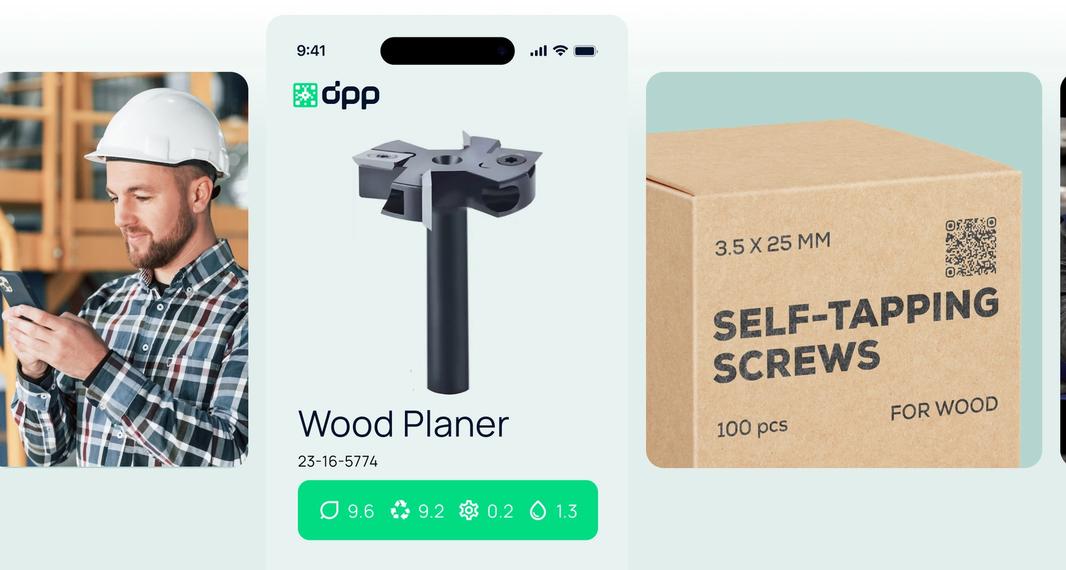
DPP for Manufacturers
Manufacturers create and maintain DPP, prove compliance and sustainability, earn trust and improve their processes.

DPP for Construction Products
DPP ensures transparency for the composition and sustainability of construction materials, facilitating proof of origin and compliance with standards.

DPP for the Furniture Industry
DPP ensures transparency for the materials used, facilitates reuse and recycling. It proves the sustainability of production.
You ask us:
Frequently asked questions

CBAM puts a carbon price on the emissions embedded in imported steel, aluminium and other covered goods, which makes low-carbon steel more competitive on the European market.
DPP will end the use of materials of unclear origin by allowing supervisors to verify site specifications in real time.
The lowest price will no longer be the leader. Companies proving the ecological profile of their materials through a digital passport will have an advantage.
Thanks to the data in the passports, old buildings will be seen as a resource for the extraction of precisely defined, reusable metals.
WIARA with a complete DPP solution
Our solutions

DPP for End Consumers
DPP provides transparency – composition, origin and recycling of products, so consumers can choose responsibly and make informed decisions.
DPP for Manufacturers
Manufacturers create and maintain DPP, prove compliance and sustainability, earn trust and improve their processes.
DPP for Construction Products
DPP ensures transparency for the composition and sustainability of construction materials, facilitating proof of origin and compliance with standards.

WIARA to help businesses
Implement DPP in your production process quickly, easily and efficiently