Made in Europe and the DPP: How Manufacturers Can Build a Premium Image on International Markets

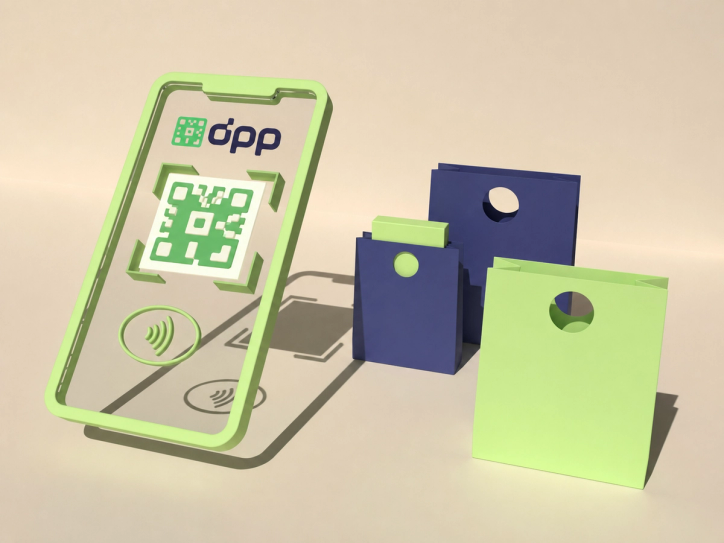
"Made in" labels have always carried a promise the buyer could not check. For some buyers a European origin means craftsmanship and strict safety standards. For others it is just a line on the label next to a higher price. Buyers in New York, Dubai or Tokyo, and increasingly those in Berlin or Copenhagen, no longer take origin on trust. They want evidence.
Premium used to mean expensive materials or a famous logo. Transparency is now part of the definition, and that opens a real opportunity for European manufacturers, especially small and mid-sized ones without a household-name brand. The Digital Product Passport is a regulatory requirement first. It is also a way to show buyers verifiable facts about a product that advertising alone cannot.
What "Made in Europe" is worth, and what it lacks
To see how the DPP changes brand image, start with where many European manufacturers stand. Textile mills, furniture makers and metalworkers across the EU make excellent products, very often for other companies' brands. The quality is real, but it stays invisible behind the label of the company that sells the product.
When a buyer compares two similar products, the one from a less familiar maker has to work harder to prove itself. The passport replaces blind trust with evidence. Instead of telling buyers you are good, you show them the data.
Transparency as the new premium
Why does a buyer pay three times more for a product that looks much like the rest? Because of the story and the certainty behind it. A passport gives an anonymous product a documented history.
From "made somewhere" to "made here, by these people"
Anonymity is one of the biggest problems for European contract manufacturers, many of whom work as suppliers to large brands. With a passport, data on where and how a product was made can travel with it, whoever's name is on the label.
Brands can use this to show the places and the people behind a product:
- This linen was woven in Flanders
- This beech frame was cut and joined in northern Portugal
That kind of authenticity is one of the foundations of every premium brand.
Radical transparency about composition
Premium buyers read the details. They want to know that a garment contains no substances of concern and that the coatings on a table are safe for a family home. Many European producers already meet these standards. What they lack is a way to prove it in a form the buyer can see.
A passport puts that evidence up front. A small textile mill can publish fibre composition, certificates and test results in the same format as the largest brands on the market.
Europe's advantage, made visible
European manufacturers often underrate one advantage. Production in the EU happens under some of the strictest environmental, chemical and labour rules in the world, and buyers abroad rarely know it. A passport turns that into data they can check.
Beyond what the regulation requires, a brand can choose to add evidence about how the product was made, for example:
- certified responsible sourcing of timber or fibres
- independent audits of working conditions
- the energy sources and emissions of the factory
In many export markets this kind of evidence is part of what makes a product premium. European manufacturers have it. Most have not yet put it to use.
Where European manufacturers can stand out
Textiles and apparel
Quality fabrics and garments are among the most imitated products in the world. A passport tied to a unique product identifier lets a brand show composition, origin and certification, and lets the buyer check them before paying a premium.
Furniture
Solid-wood and upholstered furniture sells on craftsmanship, yet the buyer usually sees only the finished piece. A passport can show where the timber came from, what the coatings contain, how the piece is repaired and where to order parts. That information turns a purchase into a long-term investment.
After-sales care: from product to relationship
Premium brands keep a relationship with the buyer after the sale, and the passport gives manufacturers a digital link that makes this possible.
Until now, once a product was exported, the relationship usually ended with the distributor. With a passport, the product itself becomes the channel:
- digital care and maintenance instructions
- direct ordering of spare parts
- take-back or recycling programmes
After-sales care of this kind, reachable from a single QR code, signals the professionalism buyers associate with premium brands.
Storytelling through data
Good marketing combines an emotional story with facts that can be verified. The passport is where those facts live.
Instead of saying "we support local suppliers", you list the suppliers. Instead of "eco-friendly production", you give specific figures: carbon footprint, water use, the share of recycled material.
How the DPP lifts the price ceiling
Manufacturers without a famous name or a famous country of origin often hit an invisible ceiling. Buyers will not pay more than a certain amount for a product from a maker they do not know. That ceiling is set by perception, not quality, and perception is built on information. When there is none, the buyer fills the gap with assumptions.
A passport closes that gap. When the data is complete, the buyer judges what you offer rather than where you come from. And when the data shows:
- responsible use of water and energy
- a long product life
- a high share of recycled material
an unfamiliar origin stops being a risk and starts to mean reliability.
Four practical steps towards premium positioning
- Invest in data before design
- Obtain credible environmental and social certifications
- Show your international partners how to read the passport
- State your origin with confidence
Conclusion: the evidence becomes the brand
The Digital Product Passport levels the field. It can put a small furniture workshop in Gabrovo, Bulgaria, on the same footing for transparency as a luxury atelier in Milan. It gives European manufacturers the tool many of them have been missing: digital proof of quality.
If manufacturers treat the passport as a chance to show their real value rather than as a burden, a European origin backed by data can become one of the most trusted marks in international trade. Where transparency is the norm, quality wins wherever it was made.
Our solutions
DPP for different industries

DPP for Textiles
DPP provides traceability from fibre to recycling, proves brands' sustainability, and inspires consumer confidence.

DPP for Construction Products
DPP ensures transparency for the composition and sustainability of construction materials, facilitating proof of origin and compliance with standards.
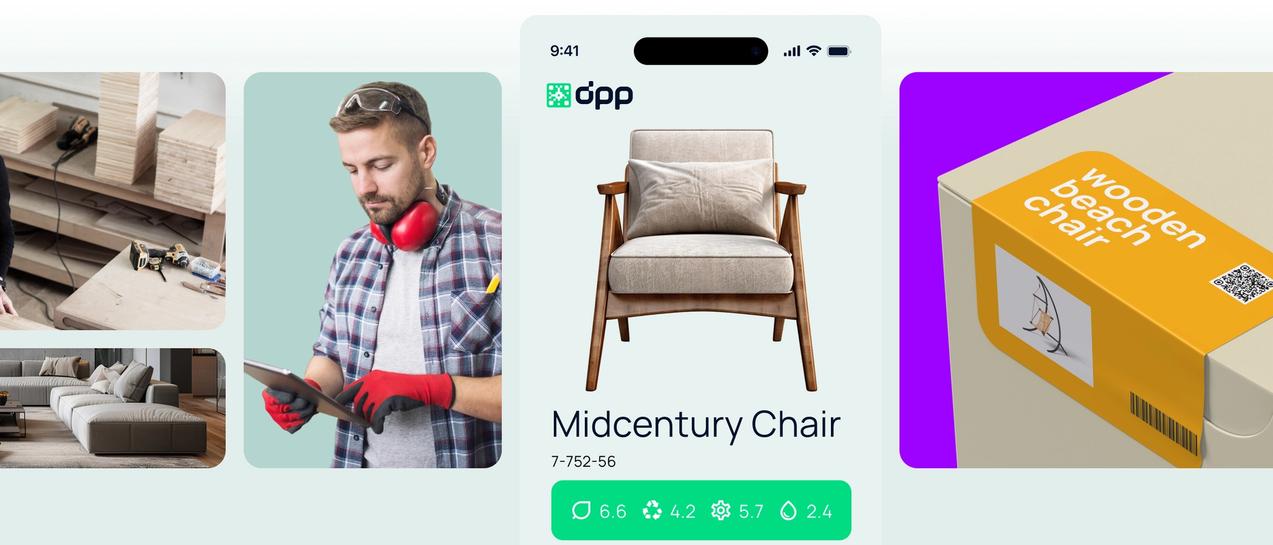
DPP for the Furniture Industry
DPP ensures transparency for the materials used, facilitates reuse and recycling. It proves the sustainability of production.
You ask us:
Frequently asked questions

Yes, and this is one of the greatest opportunities DPP creates. The Digital Product Passport "levels the playing field" because it is the data, not the brand, that takes the lead. A small manufacturer can prove origin, sustainability and quality in the same way as large companies. In some cases they even have an advantage — shorter supply chains and greater flexibility, which makes transparency easier.
Not all data carries the same weight with buyers. The strongest effect on premium perception comes from provable raw-material origin, information about sustainable production, and social standards. When these are presented clearly in the passport, a European origin stops being a neutral fact and becomes a competitive advantage.
WIARA with a complete DPP solution
Our solutions
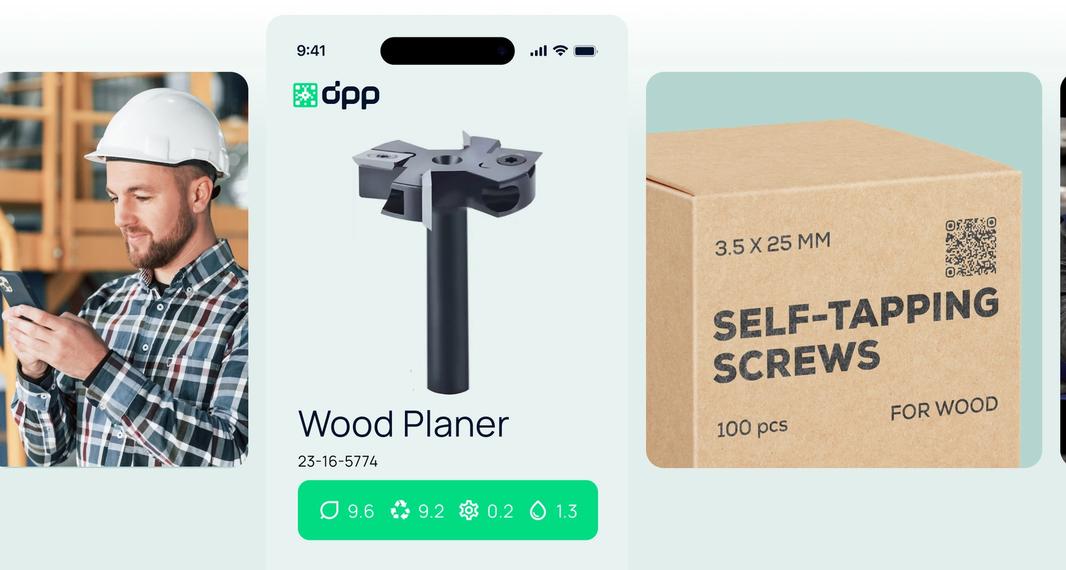
DPP for Manufacturers
Manufacturers create and maintain DPP, prove compliance and sustainability, earn trust and improve their processes.
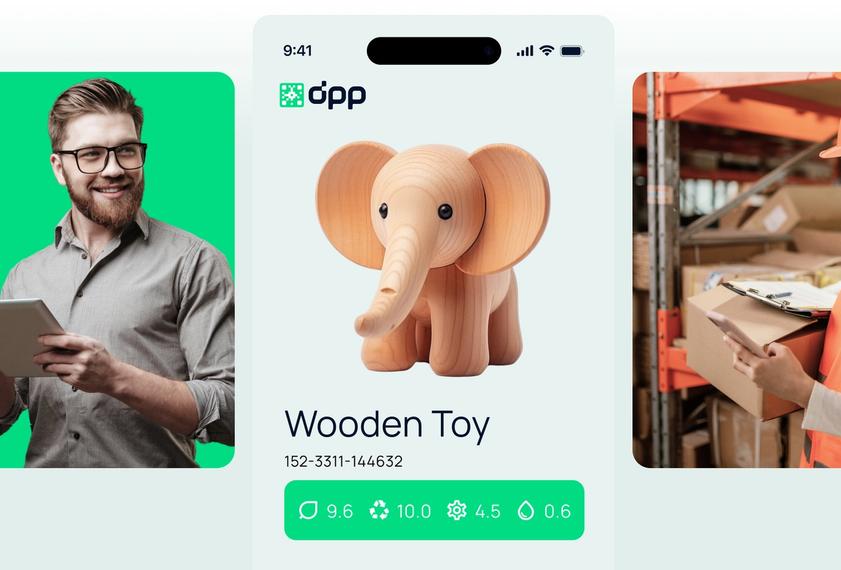
DPP for Importers
Importers ensure a valid DPP for every product and provide EU market access without risk of sanctions and delays.
DPP for Retailers and Service Centres
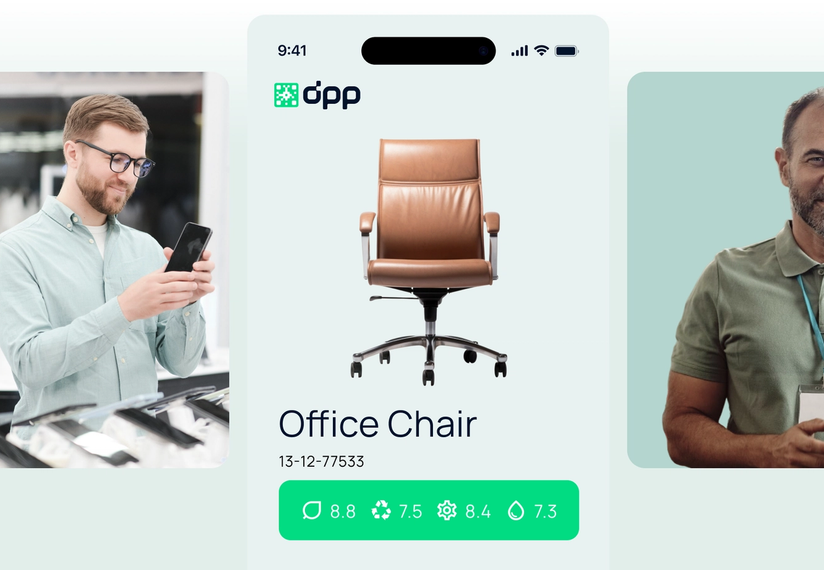
DPP simplifies warranties, repairs and product tracking. Retailers and service centres receive accurate information for higher quality service.

WIARA helping business
Implement DPP in your production process quickly, easily and efficiently