How Companies Can Prepare for DPP Without Big Investments?

TL;DR
The Digital Product Passport (DPP) is changing the way products are sold and documented in the European Union. The Ecodesign for Sustainable Products Regulation (ESPR) introduced DPP, which is quickly becoming mandatory for many types of products, including those manufactured by companies across Europe.
This change may seem like something difficult to handle, especially for small and medium enterprises that are concerned about compliance costs. However, there are simple and inexpensive things that companies can do right now to prepare for DPP without spending a lot of money.
The Digital Product Passport can lead to new ideas and long-term success, but only if the business is prepared. Companies can take a leading role in this area by making small, manageable changes that will help them stay competitive in the EU market.
In the article below, we will look at several cost-effective ways.
Let's take a closer look at DPP and what it is
The Digital Product Passport is like a digital certificate for a product that accompanies it throughout its entire lifecycle. This passport contains organised, machine-readable information about the product – what it is made of, how it affects the environment, how to repair or service it, and what to do with it when its lifecycle ends.
Access to this data is provided through QR codes, unique identifiers or other digital systems. The purpose of DPP is to make products more transparent and sustainable and to build trust between businesses and customers, in line with the EU's circular economy goals.
The introduction of DPP will be gradual across different sectors, starting with the textile industry and battery manufacturers. That is why it is important to start preparing now, especially for companies that produce for the EU market.
Why companies should act now
Companies that manufacture, import or sell goods on the EU market will soon need to comply with DPP rules. Non-compliance may result in fines or market access restrictions.
Delaying changes to internal systems often leads to higher costs. Companies can save money and get ahead of their competition if they start on time.
Early implementation of DPP brings a number of advantages – easier data management, better market access and positioning as a sustainable and responsible business. It also allows building systems step by step, without the need for large last-minute investments.
How to prepare for DPP: a practical approach for companies
The first step is identifying the affected product lines. These include sectors such as batteries, electronics, furniture, textiles and automotive parts.
Through an internal audit, companies can determine what data they need to collect and manage. Expensive software is often not necessary – existing tools such as spreadsheets or simple databases can be used initially.
The goal is to collect and standardise product data in a way that meets DPP requirements and creates a foundation for future upgrades.
The importance of data mapping
Data mapping means creating a clear and complete picture of product information – identifiers, materials, place of manufacture and environmental impact.
This information must be easily discoverable and consistent for all products. In most cases, it already exists – the most important thing is to structure it and standardise it across departments.
What role do suppliers play and why are they important
For DPP compliance, information from the entire supply chain is needed – suppliers, subcontractors and partners.
Companies should have early conversations with their suppliers and request data about origin, materials, environmental impact and recycling options. This significantly reduces the risk of missing information and delays at a later stage.
Check whether data is consistent across all sources
Working with different sources often leads to discrepancies in terminology and formats. Therefore, it is important to introduce internal standards for recording and managing data.
This reduces errors and facilitates the future connection of systems with DPP platforms.
Low-cost strategies for DPP compliance
DPP compliance does not necessarily mean large investments. Initially, affordable tools such as Google Workspace, Microsoft 365 or open-source solutions can be used.
Companies that already use PIM or ERP systems can often add DPP support with minimal changes, without implementing entirely new technologies.
Choose the best DPP solution
Small companies can use SaaS platforms that charge monthly or per passport. This allows cost control and gradual expansion.
Create a DPP plan for your company
The implementation plan does not need to be complex. It is enough to have clearly defined stages and a small team with representatives from key departments.
Start with pilot projects
It is recommended to start implementation with one product line or category. This allows testing of processes and more realistic planning of the budget and timelines.
Prepare your team
Staff training is key. Internal workshops and short training sessions help employees understand what DPP is and what their role is in the process.
Tip: Minimise costs with strategic partnerships
Collaboration with other companies, industry organisations or consultants allows sharing of knowledge and resources and significantly reduces costs.
Monitor changes in regulations
DPP requirements are still evolving and will depend on the product type. Regular monitoring of European regulations helps avoid costly last-minute changes.
WIARA – Easy and Affordable Digital Product Passport (DPP) Implementation
WIARA helps companies with easy and cost-effective implementation of the Digital Product Passport (DPP), offering a practically oriented approach tailored to the real needs of small and medium enterprises. Instead of expensive and complex IT projects, WIARA works with phased implementation, using already available data, lightweight digital tools and standardised templates. Through consultations, pilot projects and support in working with suppliers, WIARA helps achieve DPP and ESPR compliance without unnecessary investments.
Conclusion
Preparing for the Digital Product Passport does not have to be difficult or expensive. Companies can prepare successfully by:
- conducting internal audits of product information
- collaborating with suppliers
- systematically collecting and standardising data
- using lightweight and affordable digital tools
- starting with pilot projects
These steps turn DPP compliance from a challenge into a real opportunity for growth and competitive advantage.
Full Information for Business
DPP Across Industries
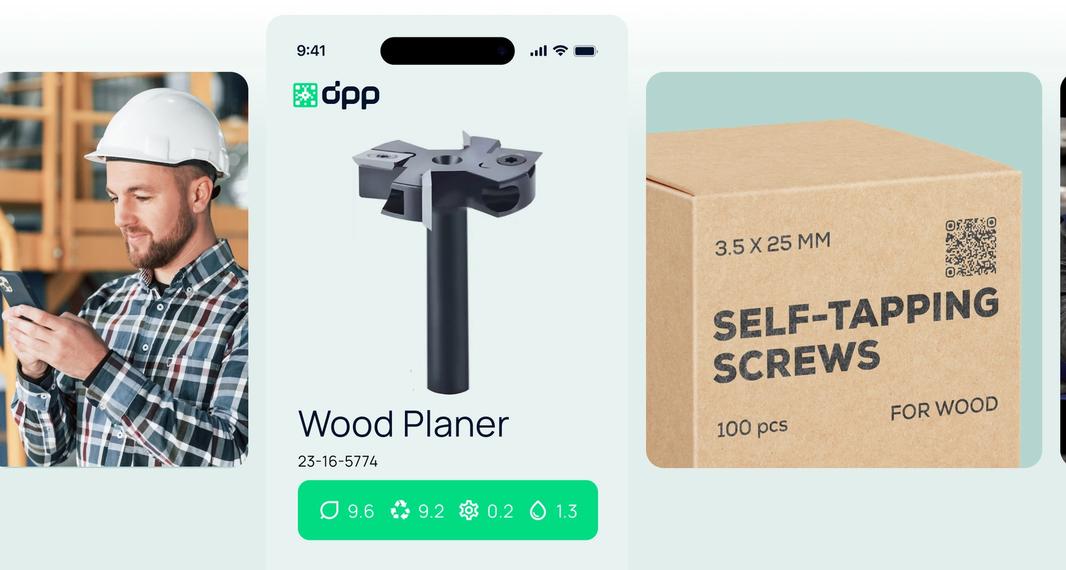
DPP for Manufacturers
Manufacturers create and maintain DPP, prove compliance and sustainability, earn trust and improve their processes.

DPP for the Furniture Industry
DPP ensures transparency for the materials used, facilitates reuse and recycling. It proves the sustainability of production.

DPP for Textiles
DPP provides traceability from fibre to recycling, proves brands' sustainability, and inspires consumer confidence.

DPP for Construction Products
DPP ensures transparency for the composition and sustainability of construction materials, facilitating proof of origin and compliance with standards.

DPP for Importers
Importers ensure a valid DPP for every product and provide EU market access without risk of sanctions and delays.

DPP for End Consumers
DPP provides transparency – composition, origin and recycling of products, so consumers can choose responsibly and make informed decisions.
DPP
Frequently Asked Questions

Batteries come first under their own regulation; under ESPR, iron and steel are the first group, followed by textiles and furniture, while construction products follow under the CPR. Gradual expansion to other industries is expected.
Yes. DPP does not differentiate by company size. Small and medium enterprises are subject to the same regulatory requirements but can implement DPP gradually and at low cost.
No. In the initial stage, companies can use existing tools such as spreadsheets, PIM or ERP systems. Expensive solutions are not mandatory.
Mainly product identifiers, materials, origin, sustainability information, repair, recycling and environmental impact.
Sanctions, restrictions on selling on the EU market or additional costs for emergency last-minute compliance are possible.
WIARA helps companies with phased, affordable and practical DPP implementation through consultations, pilot projects and the use of lightweight digital solutions tailored to the business environment.
Latest DPP Articles

 Kiril Shivachev••7 min read
Day one of the green-claims ban: what changed, and where it did not
 Kiril Shivachev••7 min read
A tender that asks for your product passport
 Kiril Shivachev••9 min read
Does the system that told you about Article 13 also perform Article 13?
Kiril Shivachev••8 min read27 September 2026: six green claims become automatically unfair
 Kiril Shivachev••6 min read
You have an electronic signature. The EU registry wants an electronic seal.
 Kiril Shivachev••6 min read
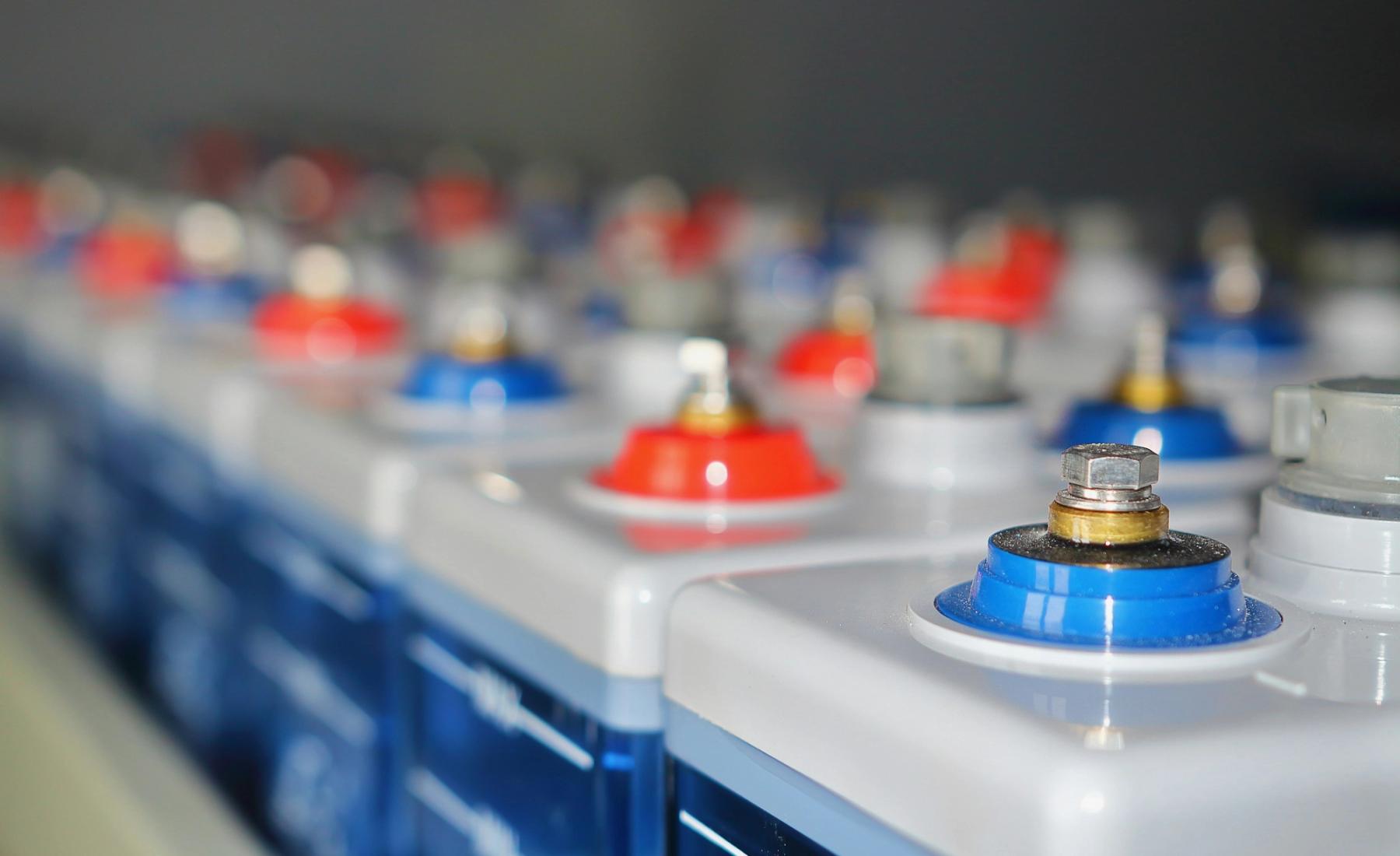
The battery passport: 71 data points, and the e-bike carries the most mandatory ones
 Kiril Shivachev••7 min read
No regulation names you. Your customer is already asking for the data.
 Kiril Shivachev••5 min read
If someone copies the QR code from a real product onto a fake — will the passport lie to you?
 Kiril Shivachev••5 min read
If your DPP provider goes under tomorrow — what happens to your passports?
 Kiril Shivachev••5 min read
What a Digital Product Passport actually looks like — field by field
 Kiril Shivachev••4 min read
DPP for Tyres: The Priority Group Few Are Ready For
 Kiril Shivachev••4 min read
Digital Product Passport for Clothing: The Roadmap for Fashion Brands (2026–2030)
 Kiril Shivachev••4 min read
How much does a Digital Product Passport cost in 2026?
 Kiril Shivachev••6 min read
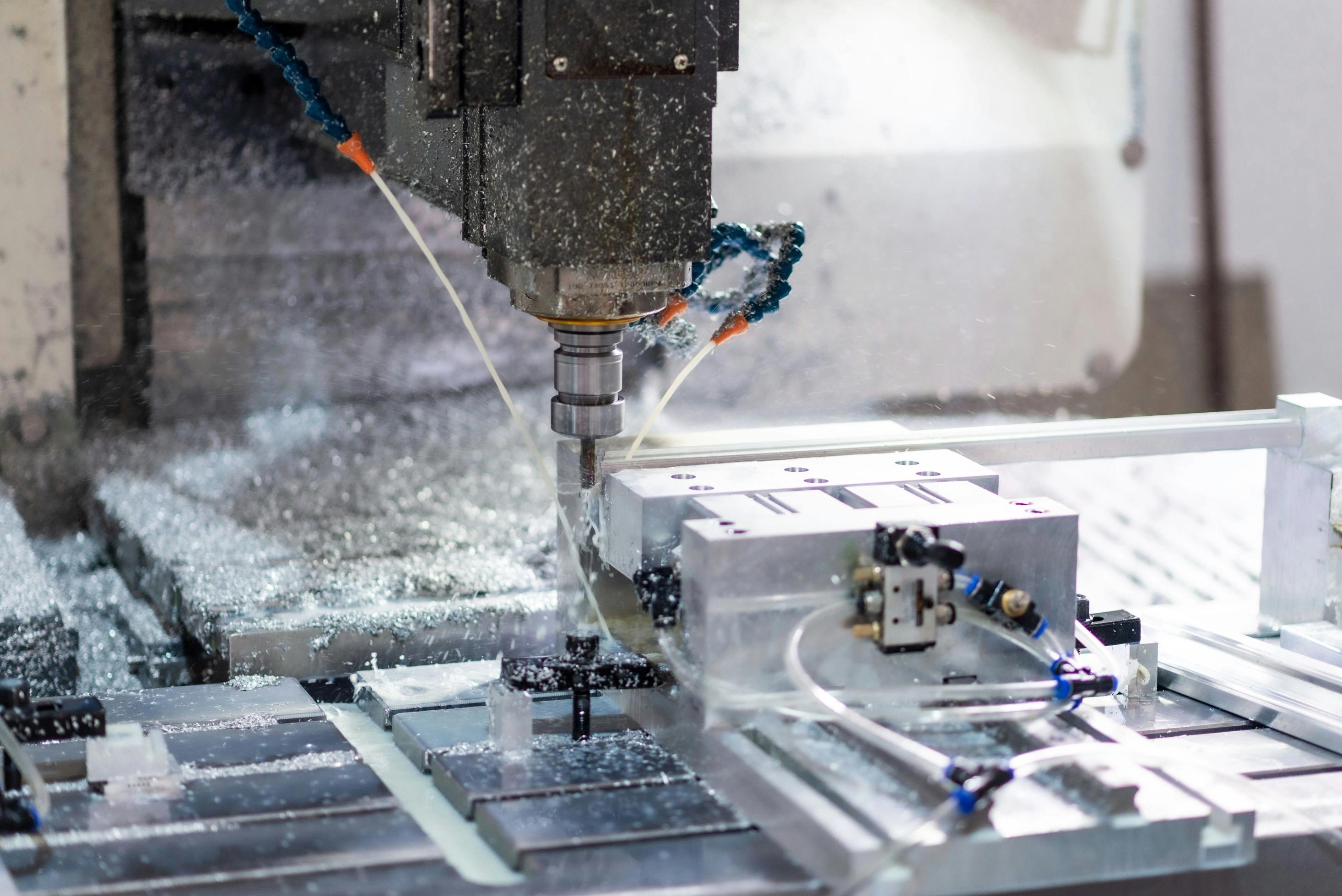
DPP for aluminium: the passport of the most recyclable metal
 Kiril Shivachev••11 min read
The EU's Digital Product Passport Registry is now live
 Kiril Shivachev••4 min read
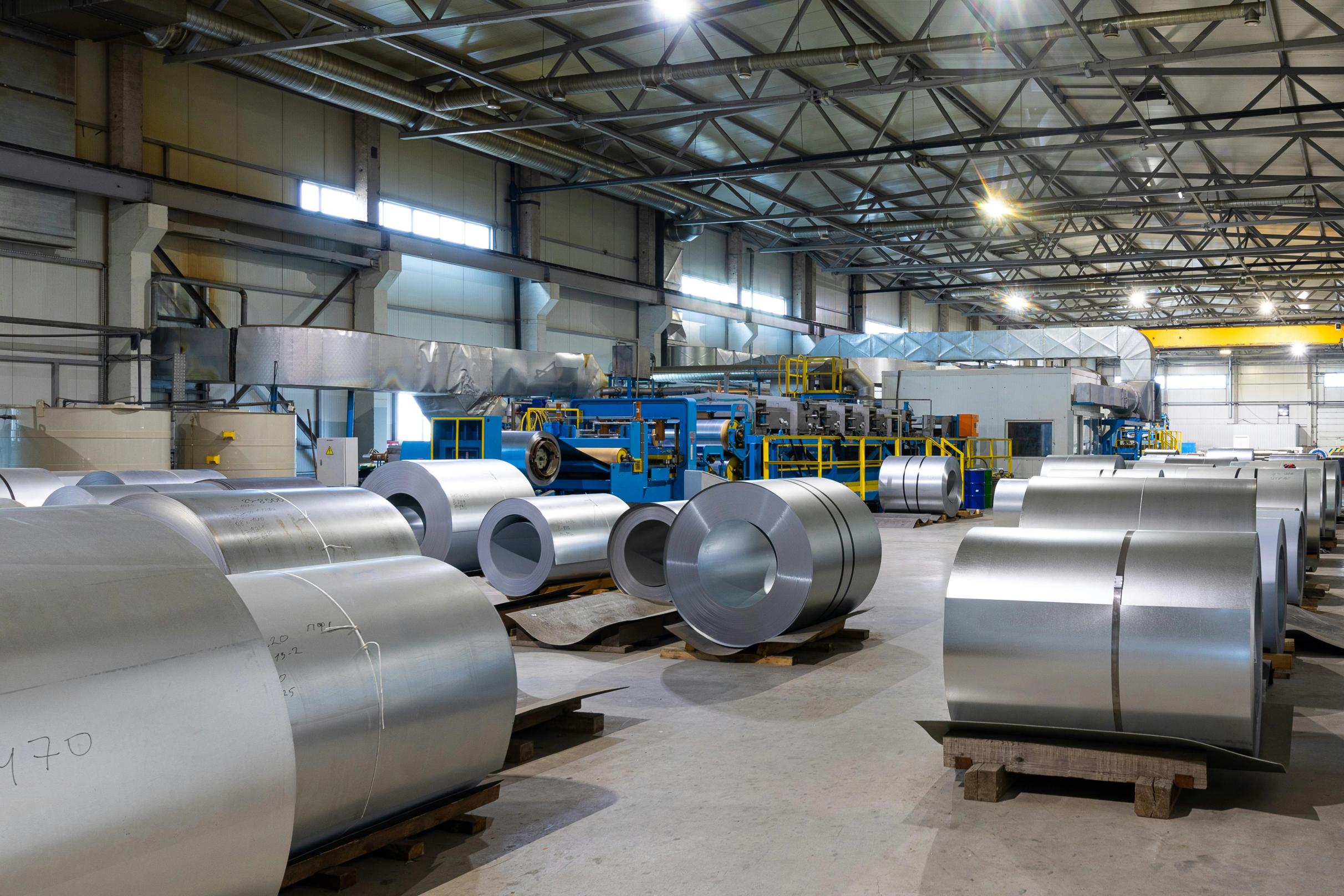
DPP for Steel: Why Metallurgy Is the First Sector the EU Requires to Carry a Digital Passport

 Anita Kisimova-Dzakova••3 min read
DPP in construction: How the material passport turns a building into a bank of resources.
 Anita Kisimova-Dzakova••5 min read
Model, Batch or Item: Which DPP passport level do you actually need?
 Anita Kisimova-Dzakova••3 min read
DPP for importers: Why responsibility for the passport is yours, even if you didn't make the product
 Anita Kisimova-Dzakova••4 min read
DPP for furniture: How to prove the sustainable origin of every board to the European buyer
 Anita Kisimova-Dzakova••5 min read
DPP and EPR: How Extended Producer Responsibility Is Changing for Manufacturers
Anita Kisimova-Dzakova••9 min readDPP Audit: Who Verifies Whether the Data in Your Passport Is Correct and What Are the Penalties?
 Anita Kisimova-Dzakova••6 min read
DPP in FMCG: How the digital passport ends silent packaging
 Anita Kisimova-Dzakova••8 min read
DPP in cosmetics: The end of greenwashing and the beginning of conscious beauty
 Anita Kisimova-Dzakova••9 min read
The EU Battery Passport: How the DPP Is Transforming the Energy Transition From the Mines to Recycling
 Anita Kisimova-Dzakova••9 min read
Cybersecurity and the DPP: How to protect Digital Product Passports from hackers and counterfeits
 Anita Kisimova-Dzakova••7 min read
DPP and ERP: How to Automate the Digital Product Passport Without Operational Chaos
 Anita Kisimova-Dzakova••9 min read
Blockchain, QR or RFID: The Technologies Behind the Digital Product Passport
 Anita Kisimova-Dzakova••6 min read
"Made in Europe" + DPP: A Premium Image on International Markets
 Anita Kisimova-Dzakova••6 min read
EU funding for Digital Product Passport projects
 Anita Kisimova-Dzakova••6 min read
"The Ostrich Strategy": How the Lack of DPP Can Bankrupt Your Business
 Anita Kisimova-Dzakova••8 min read
End of "Greenwashing": The Digital Passport Revolution
 Anita Kisimova-Dzakova••8 min read
Digital Product Passport: the future of European furniture
 Anita Kisimova-Dzakova••8 min read
Trade Secret vs. Transparency: Security in the DPP Era
 Anita Kisimova-Dzakova••8 min read
DPP in construction: The new rules
 Anita Kisimova-Dzakova••5 min read
DPP and Ethics: The Future of Transparent Manufacturing
 Anita Kisimova-Dzakova••5 min read
The Future of DPP: What Innovations to Expect in the Next 5 Years?
 Anita Kisimova-Dzakova••6 min read
DPP: The new entry ticket for the European B2B market
 Anita Kisimova-Dzakova••5 min read
A Comparison of Regional Approaches to DPP in Europe and the USA
 Anita Kisimova-Dzakova••4 min read
Challenges in DPP Implementation: What Comes Next?
 Anita Kisimova-Dzakova••5 min read
DPP in Education: The Path to Sustainable Development
 Anita Kisimova-Dzakova••5 min read
Digitalization of Supply Chains with DPP
 Kiril Shivachev••4 min read
How does the DPP change the rules for non-EU providers?

 Stefan Dyankov••5 min read
DPP and Circular Economy: Secondary Markets, Repair and Reuse
 Stefan Dyankov••5 min read
DPP for Electronics: What Will the Passports Contain?
 Kiril Shivachev••10 min read
How to Prepare Your Company for DPP in 2026: A Practical Guide for Manufacturers and Importers
 Kiril Shivachev••7 min read
DPP in Construction – The Key to Competitiveness and Transparency
 Kiril Shivachev••7 min read
The Digital Product Passport in the Textile Industry and the Future of RFID Threads
 Kiril Shivachev••8 min read
The Digital Product Passport (DPP) – the new digital identity card of products