The Impact of Digital Product Passports on Consumer Habits
In recent years, consumer habits have undergone significant changes. Sustainability and environmental factors increasingly determine our choice of products. These changes are not only a response to growing global awareness of environmental protection, but also a result of new technologies and regulations that provide ever more information about products and their impact on nature.
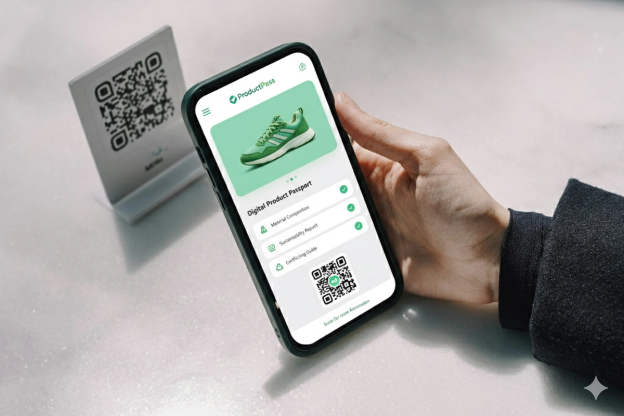
One of these new technologies that actively changes consumer habits is the Digital Product Passport (DPP) – a digital passport for the product that provides detailed information about its origin, composition, environmental impact, recycling possibilities, and other key data. Through DPP, companies not only comply with new regulatory requirements, but also have the opportunity to build new relationships with consumers who increasingly seek transparency and responsibility from the brands they buy from.
In this article, we will examine how DPP influences consumer habits and how it changes the way people choose and buy products, with a focus on sustainability.
From the "Green Paradox" to Conscious Choice
Marketers have long known the so-called "green paradox": consumers say they want to buy sustainable products, but in the store they often choose the cheapest or most familiar option. Why? Because sustainability information has so far been complex, scattered, and difficult to verify.
DPP solves this problem by turning sustainability into convenience. When information is just a click (or scan) away, the barrier to making the "right choice" falls.
The Scanner as the New "Consultant" in the Store
**Imagine the following scenario:**
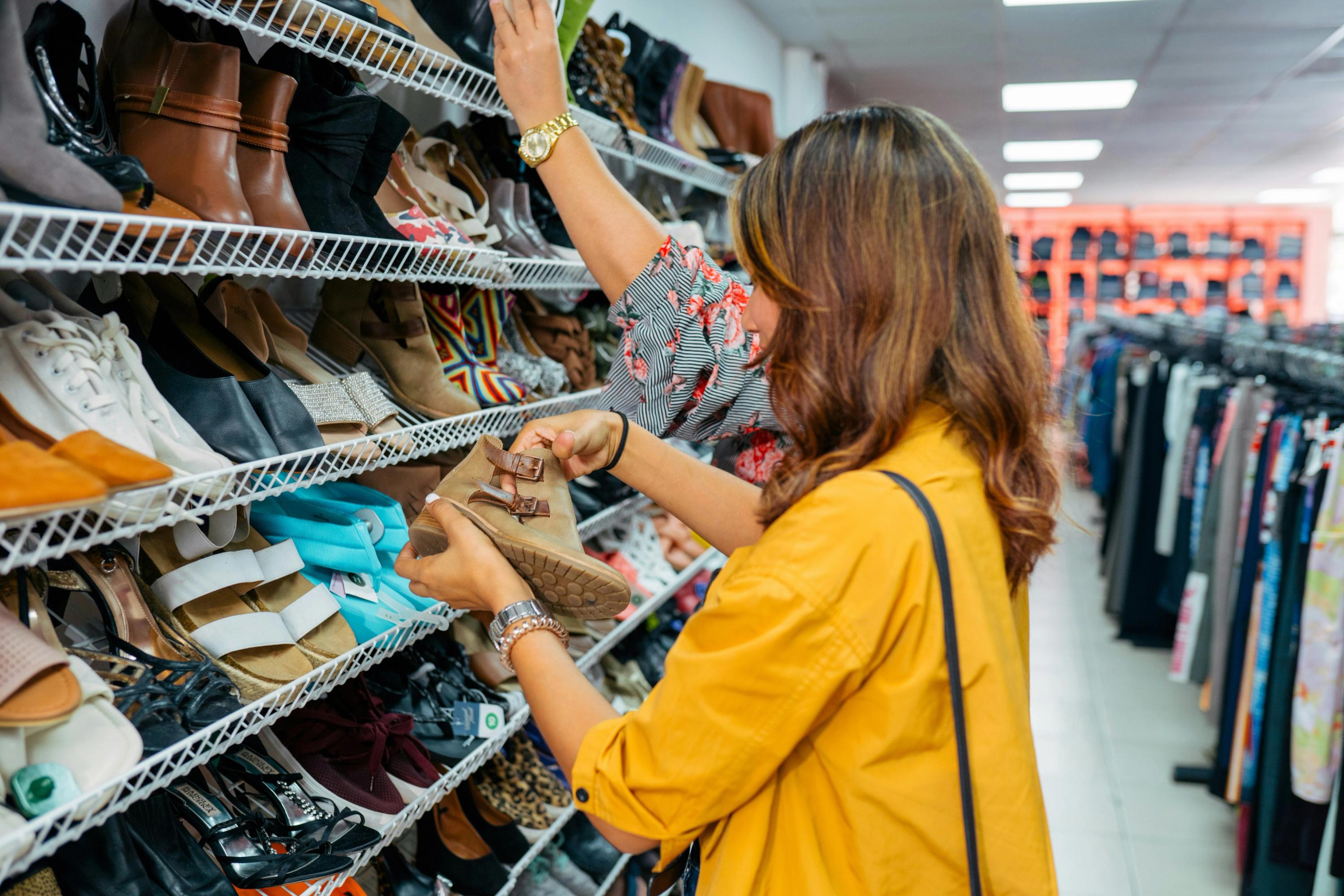
You stand before a shoe rack. Model A looks great, but through its DPP you see it is made from non-recyclable materials. Model B is slightly more expensive, but its passport shows an 80% lower carbon footprint and offers a free repair option after the second year.
How will this change consumer habits?
- Impulse buying decreases: Consumers begin to think about the "cost of ownership," not just the "cost of acquisition."
- Comparative analysis becomes the norm: People will compare products not only by design and price, but also by their "sustainability index."
The End of the "Buy and Throw Away" Culture
One of the biggest impacts of DPP will be on the way we relate to our possessions after we have already bought them. Since the passport contains detailed instructions for maintenance, disassembly, and repair, it changes the psychological mindset from "consumer" to "steward."
The Revival of Repair
Until now, we often threw away devices because we did not know which part was broken or where to find a technician. DPP will tell us exactly that. Consumer habits will shift toward longevity. Buyers will seek products with a "high repairability score," something that will soon be a standard part of the digital passport.
The Rise of Resale and Second-Hand Use
DPP is the "holy grail" for the second-hand market. The biggest problem when buying a used product is uncertainty: "Is it original?", "How much has it been used?", "How many times has it been repaired?".
With DPP, every item comes with a verifiable digital dossier. When selling a watch or a bag, you also transfer its digital passport to the new owner. This guarantees authenticity and preserves the residual value of the product.
Consumers will begin to view their purchases as assets that can easily be monetized later, as long as they have taken good care of them according to the DPP guidelines.
Social Status: From the Logo to the Footprint
In the past, status was demonstrated through owning a luxury logo. Today we see a shift toward "ethical consumption" as a symbol of high social and intellectual status.
DPP allows consumers to "share" their contribution to the planet. It is not excluded that in the near future social networks will integrate with product passport data, allowing people to show the real impact of their wardrobe or home on the environment. This turns sustainability from a moral obligation into a trendy movement.
Trust Becomes an Algorithm
Consumers are already tired of marketing tricks. They seek radical transparency. DPP changes habits by building a new form of loyalty based on data.
Consumer Behavior Transformation: Before and After DPP
- From blind trust to verification: Instead of relying on generic advertising slogans, we now trust data that can be checked and traced to its source.
- From throw-away culture to repair culture: Instead of throwing away the product at the first defect, we use the digital passport to find exact **repair instructions and spare parts**.
- From momentary price to long-term value: We shift from buying the cheapest option to **calculating the potential resale value** (residual value) of the product as an asset.
- From ignorance to ethical requirements: Instead of guessing about the origin of raw materials, we now set **proven ethical origin** as a mandatory basic condition for purchase.
The Challenge of Information Overload
Of course, not every buyer will want to spend 20 minutes reading technical specifications for every pair of socks. The key to changing habits lies in information design. Successful brands will be those that manage to turn complex DPP data into easy-to-understand visual cues such as:
- Traffic light systems
- Eco points
- Comparative scales
The consumer will get used to looking for these "quick answers" and they will dictate their choices on a subconscious level.
The New Power Is in the Buyer's Hands
The Digital Product Passport is the new tool that changes the way consumers choose and buy products. Instead of simply trusting marketing messages, they now have the ability to verify and confirm the sustainability claims of products through accessible and transparent information.
For companies that want to succeed in the new market landscape, DPP offers not only regulatory compliance, but also an opportunity to build trust, loyalty, and transparency, which are the foundation of sustainable development and long-term success.
The transparency provided by the Digital Product Passport is key to building a new generation of consumer habits, where sustainability is not just a trend, but an integral part of the purchasing process.
WIARA: The Bridge Between Complex Data and the End Consumer
The implementation of Digital Product Passports requires not only regulatory readiness, but also a powerful technological ecosystem that can turn "raw" data into understandable value. This is where WIARA – the innovative platform that accompanies and accelerates this transition appears. It serves as an intelligent intermediary that gathers information from the entire supply chain and presents it to the consumer in an accessible and intuitive way. With WIARA, companies do not simply "check off" a legal requirement, but receive a tool for direct communication through which they prove the authenticity and sustainability of their products in real time.
WIARA and DPP
Our solutions
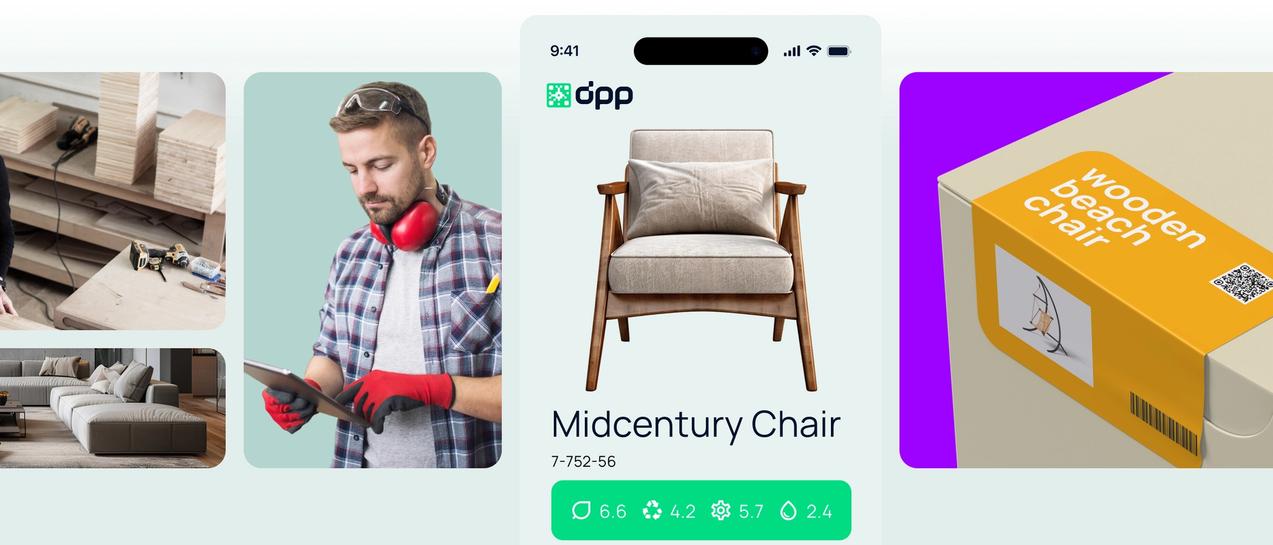
DPP for the Furniture Industry
DPP ensures transparency for the materials used, facilitates reuse and recycling. It proves the sustainability of production.

DPP for Textiles
DPP provides traceability from fibre to recycling, proves brands' sustainability, and inspires consumer confidence.

DPP for Construction Products
DPP ensures transparency for the composition and sustainability of construction materials, facilitating proof of origin and compliance with standards.
Ask us:
Frequently Asked Questions

With DPP, consumers receive information about the carbon footprint and environmental impact of product manufacturing. This allows people to choose more sustainable products that minimize the negative impact on the environment, and to make greener choices that align with their ecological values.
Yes, through DPP companies can demonstrate transparency and commitment to sustainability by providing consumers with evidence of the sustainability of their products. This can lead to greater trust among consumers who seek brands that care about the environment and can provide real information about their products.
Latest DPP Articles

 Kiril Shivachev••5 min read
What a Digital Product Passport actually looks like — field by field

 Anita Kisimova-Dzakova••5 min read
Model, Batch or Item: Which DPP passport level do you actually need?
 Kiril Shivachev••5 min read
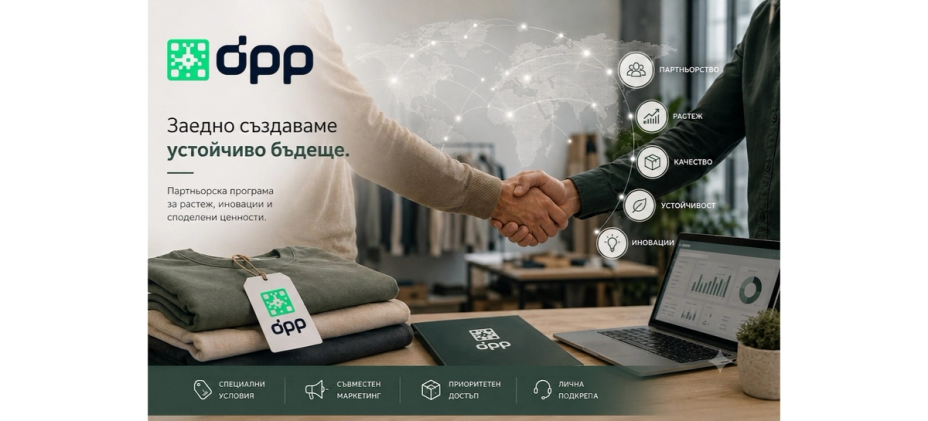
WIARA launches the DPP Partner Program — a new business model for consultants and agencies
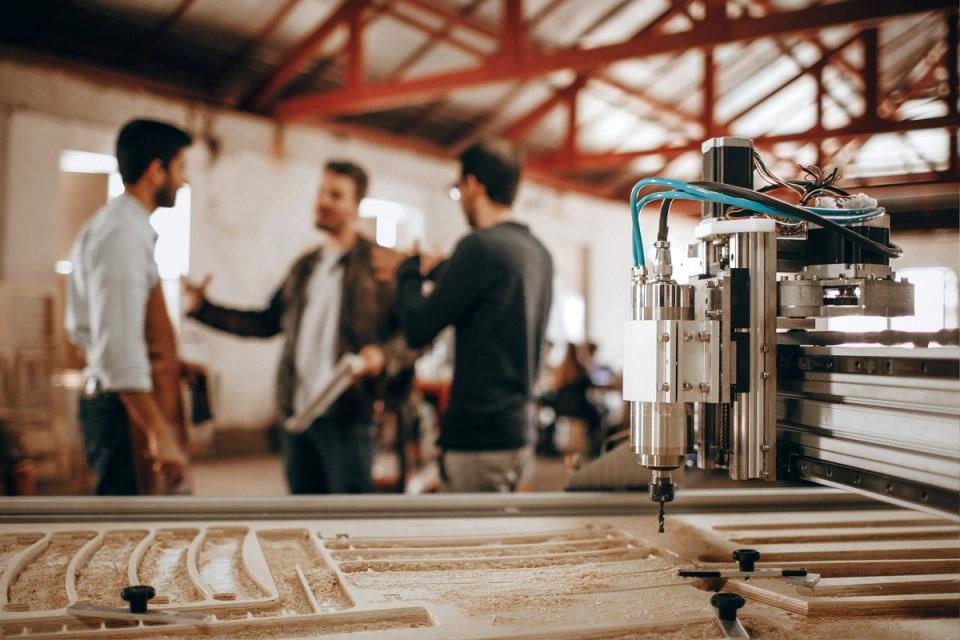 Anita Kisimova-Dzakova••4 min read
DPP for furniture: How to prove the sustainable origin of every board to the European buyer
 Anita Kisimova-Dzakova••9 min read
DPP Audit: Who Verifies Whether the Data in Your Passport Is Correct and What Are the Penalties?
 Anita Kisimova-Dzakova••8 min read
FMCG packaging: how digital data ends the silent pack
 Anita Kisimova-Dzakova••9 min read
Cybersecurity and the DPP: How to protect Digital Product Passports from hackers and counterfeits
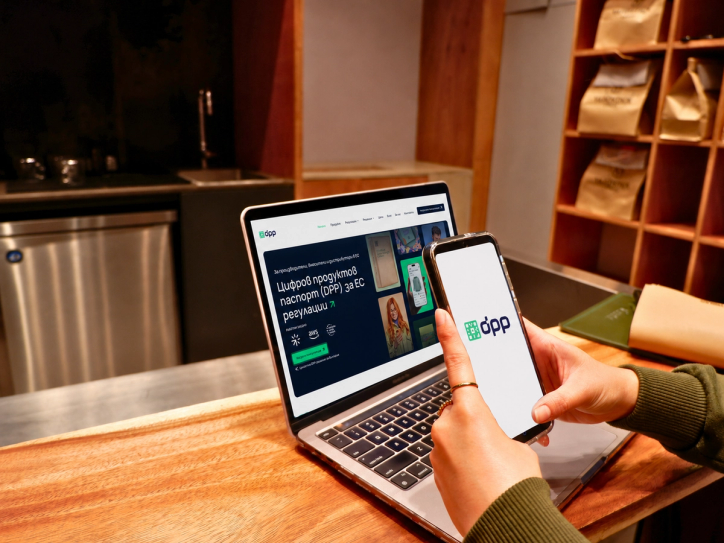 Anita Kisimova-Dzakova••7 min read
DPP and ERP: How to Automate the Digital Product Passport Without Operational Chaos
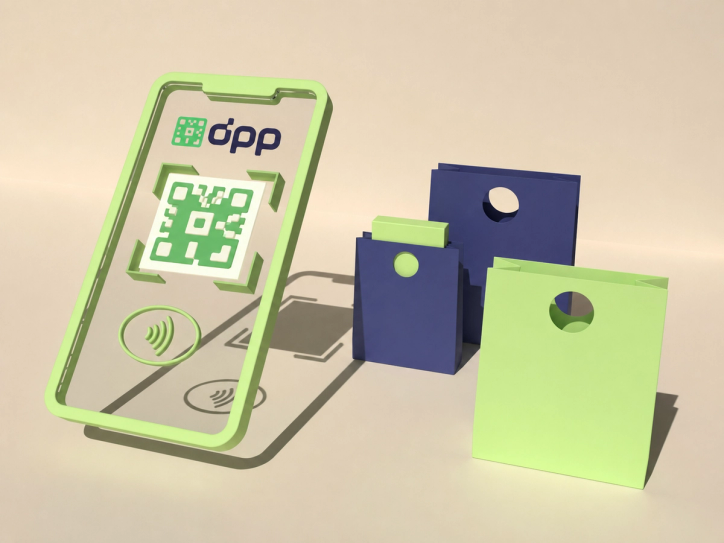 Anita Kisimova-Dzakova••6 min read
"Made in Europe" + DPP: A Premium Image on International Markets
 Anita Kisimova-Dzakova••6 min read
EU funding for Digital Product Passport projects
 Anita Kisimova-Dzakova••6 min read
"The Ostrich Strategy": How the Lack of DPP Can Bankrupt Your Business
 Anita Kisimova-Dzakova••8 min read
Digital Product Passport: the future of European furniture
 Anita Kisimova-Dzakova••5 min read
DPP and Ethics: The Future of Transparent Manufacturing
 Anita Kisimova-Dzakova••5 min read
The Future of DPP: What Innovations to Expect in the Next 5 Years?
 Anita Kisimova-Dzakova••5 min read
A Comparison of Regional Approaches to DPP in Europe and the USA
 Anita Kisimova-Dzakova••5 min read
DPP in Education: The Path to Sustainable Development
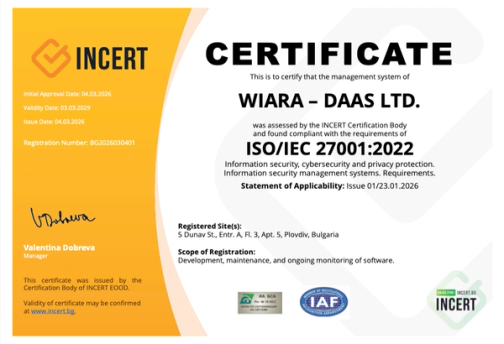 Kiril Shivachev••2 min read
WIARA Is Now ISO 27001 Certified

 Stefan Dyankov••5 min read
DPP and Re-commerce: How the Passport Will Change Europe's Second-Hand Market
 Kiril Shivachev••6 min read
How can SMEs implement digital passports on a budget?
 Stefan Dyankov••6 min read
From compliance to competitive advantage: How to use DPP for green marketing
 Kiril Shivachev••4 min read
DPP as a Tool for Competitive Advantage
 Kiril Shivachev••8 min read
The Digital Product Passport (DPP) – the new digital identity card of products

Want to learn more about DPP implementation?
WIARA is here to guide you through the entire process!