The Building as a Bank of Materials


The construction sector is one of the most resource-intensive in the world. It accounts for around 50% of all raw materials extracted, 35% of the waste generated in the EU and a significant share of carbon emissions. When a building is demolished, an enormous quantity of materials - steel, concrete, timber, glass - ends up in landfill, even though much of it could be reused.
The reason for this waste is simple: no one knows exactly what is inside the wall. What kind of concrete, what reinforcement, what insulation materials, whether they contain asbestos or other hazardous substances. The Digital Product Passport for construction products is the answer to this problem.
The Construction Products Regulation (CPR) and the DPP
The revised Construction Products Regulation (CPR) now includes DPP requirements for a range of building material categories. The goal is for every brick, window, beam or insulation panel placed on the EU market to carry its own digital passport with complete information on origin, chemical composition and end-of-life behaviour.
The Concept of a Building Material Passport
The individual DPPs of construction products come together in a larger concept - the Building Material Passport. This is a digital twin of the entire building that aggregates the passports of all the materials it contains. The benefits are revolutionary:
- During renovation: The owner knows exactly which materials are in the walls and whether they are compatible with new ones
- At sale: The buyer receives the full history of the building, including data on every renovation
- At demolition: Construction companies know exactly what they can recycle and at what price - the building becomes a material bank
- For insurers and banks: A more accurate assessment of value and risk
What does a DPP contain for a typical construction product?
Let us look at a specific example - a window with a PVC frame and an insulating glass unit:
- Manufacturer, date and production batch
- Chemical composition of the PVC - whether it contains phthalates, lead or cadmium (banned substances)
- U-value (thermal transmittance) - an official, verified test
- Recyclability class - what percentage of the material can be recycled and how
- Disassembly instructions - how to separate the glass from the frame for recycling
- Expected lifespan and maintenance recommendations
The challenges facing the construction sector
Across Europe, the sector faces a set of specific challenges - Bulgaria being a telling example:
- Ageing building stock: A vast portion of buildings were constructed during the socialist era with no documentation whatsoever of the materials used - retrospectively creating passports for them is a complex task
- Numerous small contractors: Unlike the manufacturing sector, construction relies on many small firms with low levels of digitalisation
- Imported materials without a DPP: Many construction materials arrive from Turkey, China or Ukraine - with no DPP documentation
Conclusion
The construction sector stands on the brink of a profound transformation. The building of the future is not merely a physical structure - it is a bank of materials whose value is digitally documented and accessible. For construction companies and building material manufacturers, investing in the DPP now means positioning themselves at the forefront of circular construction in Europe.
Our solutions
DPP for different industries

DPP for the Furniture Industry
DPP ensures transparency for the materials used, facilitates reuse and recycling. It proves the sustainability of production.

DPP for Textiles
DPP provides traceability from fibre to recycling, proves brands' sustainability, and inspires consumer confidence.

DPP for End Consumers
DPP provides transparency – composition, origin and recycling of products, so consumers can choose responsibly and make informed decisions.
DPP for business
Frequently asked questions

A Building Material Passport is a digital twin of the entire building that aggregates the DPPs of all the construction products it contains. During renovation the owner knows exactly which materials are in the walls; at sale the buyer receives the full history of the building; at demolition construction companies know precisely what they can recycle; and insurers and banks get a more accurate assessment of value and risk.
The passport includes data on the manufacturer, date and batch, the chemical composition of the PVC with information on banned substances such as phthalates and lead, a verified U-value for thermal transmittance, a recyclability class, disassembly instructions for separating the glass from the frame, and maintenance recommendations and expected lifespan.
The sector faces three core problems, clearly seen in a market like Bulgaria: a vast, ageing building stock from the socialist era with no documentation of the materials used, numerous small construction firms with low levels of digitalisation, and the widespread use of imported building materials from Turkey, China and Ukraine that arrive without any DPP documentation.
When every construction product installed carries a digital passport with its exact chemical composition and recycling instructions, the whole building becomes a documented warehouse of raw materials with a known value. At demolition, construction companies can precisely calculate what they can extract and sell as secondary raw materials, which makes recycling economically worthwhile rather than merely an obligation.
WIARA with an end-to-end DPP solution
Our solutions
DPP for Textiles
DPP provides traceability from fibre to recycling, proves brands' sustainability, and inspires consumer confidence.
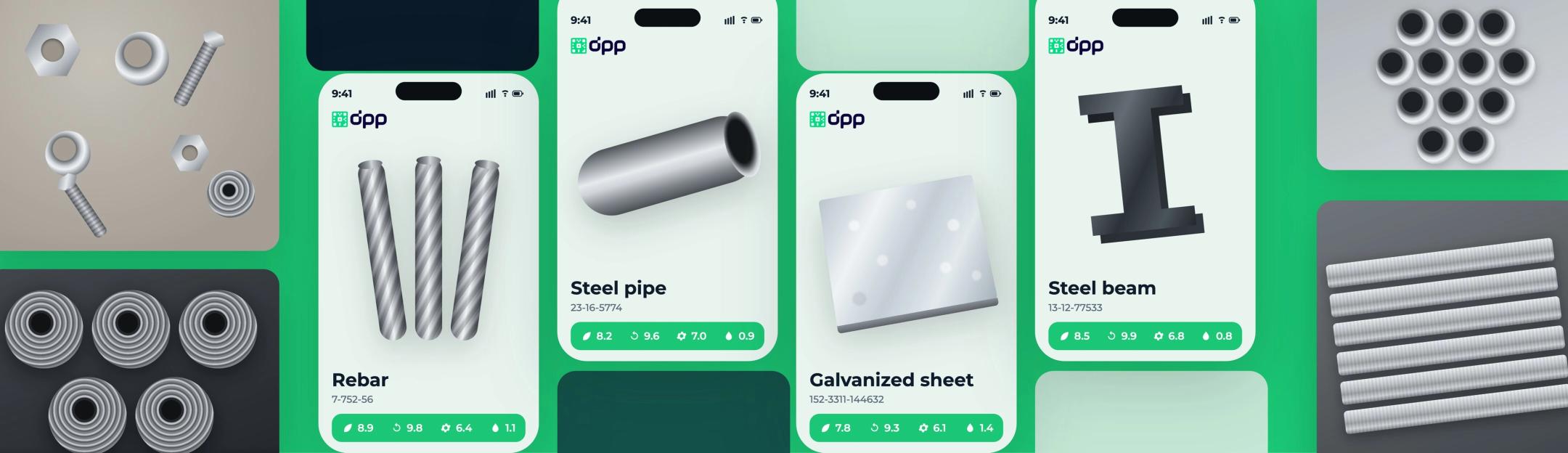
DPP for Steel and Iron
The first product group under ESPR — traceability of the composition, origin and carbon footprint of steel.

DPP for Construction Products
DPP ensures transparency for the composition and sustainability of construction materials, facilitating proof of origin and compliance with standards.

WIARA supporting businesses
Implement the DPP in your production process quickly, easily and efficiently