Model, Batch or Item: Which DPP passport level do you actually need?


When a business first runs into the requirements for a Digital Product Passport, one of the most common questions is: "Okay, I get it — I need a passport. But what kind exactly?" And this is where things get interesting, because ESPR doesn't prescribe a single universal format. The regulation defines three levels of detail, each designed for a different type of product and a different business reality.
Choosing the wrong level is a costly mistake in both directions. Pick a passport that's too simple and you risk failing to meet the regulatory requirements or losing the trust of your B2B buyers. Pick one that's needlessly complex and you're pouring resources into a system that overshoots your needs by years. Let's look at the three levels in practical terms, with concrete real-world examples.
Level 1: The Model passport — "One for all"
Imagine you manufacture cotton T-shirts. You produce a single model in various sizes and colours — all from the same fabric supplier, through the same production process, with the same dyes.
In this case, the Model passport is entirely sufficient. A single digital record describes the whole model — material composition, carbon footprint, certificates, recycling instructions. All 10,000 T-shirts produced in this seasonal run "inherit" the information from it. Each T-shirt's care label carries a QR code, but it leads to the same model passport.
When is the Model passport enough? When you mass-produce standardised products with a constant, unchanging material composition. For most SMEs, especially in the early adoption period, this level is entirely adequate for achieving regulatory compliance.
An important limitation: if at some point you change the supplier of a key raw material, you have to update the passport. The Model passport doesn't remember the "old version" — it describes the product as it is right now.
Level 2: The Batch passport — "Tell me exactly which run it's from"
Now imagine you're a jeans manufacturer working with two denim suppliers — one from Turkey, the other from Pakistan. One batch is dyed with certain dyes and goes through one bleaching process, the other with different ones. The chemical profile of the two runs is objectively different.
Here the Model passport is no longer enough. A retail buyer in Germany who wants to know the exact origin of the jeans they're holding can't get that information from the general model. The Batch passport builds on the model with the specifics of that particular production run — date, raw-material supplier, certification results for that specific batch.
This is especially critical in the textile industry, where the origin of the cotton and the dyes and chemicals used in processing vary significantly between production runs and are directly tied to the ESPR traceability requirements.
When do you need the Batch passport? When your suppliers of key materials change periodically, when production conditions vary significantly between runs, or when your B2B buyers require traceability down to a specific production date and raw-material origin.
Level 3: The Item passport — "Only one of its kind in the world"
Imagine a boutique maker of handcrafted chairs from solid oak. Every chair is unique — different wood, different texture, different weight. No two are identical.
For a product like this, the Item passport is the natural choice. Each chair gets its own serial number and its own digital record — with data on the exact forest and felling date of the timber, a photo of the wood grain, information about the finishes used and the craftsman who made it. On resale in an antique shop or an online second-hand furniture platform, the passport transfers to the new owner with the chair's full history. In the event of a repair, the craftsman adds a record. The entire history of this specific chair is digitally documented forever.
When is the Item passport mandatory? For products with an active secondary market, where the history of the specific item is key to pricing and trust. For high-value luxury and boutique goods. And for LMT batteries, industrial batteries above 2 kWh, and EV batteries — from February 2027 this is a legal requirement under the Battery Regulation, not an option.
The three levels are not mutually exclusive
Here comes the nuance many companies miss: a single business can use all three levels at once for different product lines. A large furniture manufacturer might apply a Model passport to its standard range, a Batch passport to limited editions from a specific oak forest, and an Item passport to its handcrafted signature pieces.
The decision about the level isn't a one-off, final choice. Many companies start with a Model passport and upgrade the system in stages, as market needs or regulatory requirements demand. That's the smarter approach than trying to build the perfect system from scratch.
Practical questions for the right choice
Before you decide, answer these three questions honestly. First: do your products differ from one batch to the next in a way that matters to the buyer or the regulator? If yes — you need at least a Batch passport. Second: will the product you sell change hands after you, be repaired, or have an active secondary market? If yes — consider an Item passport. Third: does the regulation for your specific product category require traceability of the individual item? If the answer is yes — you have no choice.
Conclusion
The Digital Product Passport isn't a monolithic concept with a single correct form. It's a flexible system, designed to serve the real diversity of the manufacturing world — from mass production to boutique craft. Choosing the right level is no less important than the decision to adopt a DPP in the first place. Ask yourself not "how do we meet the minimum requirement", but "which level most accurately reflects the reality of our product and best serves our buyers". The answer to that question will take you exactly where you need to be.
Our solutions
DPP for different industries
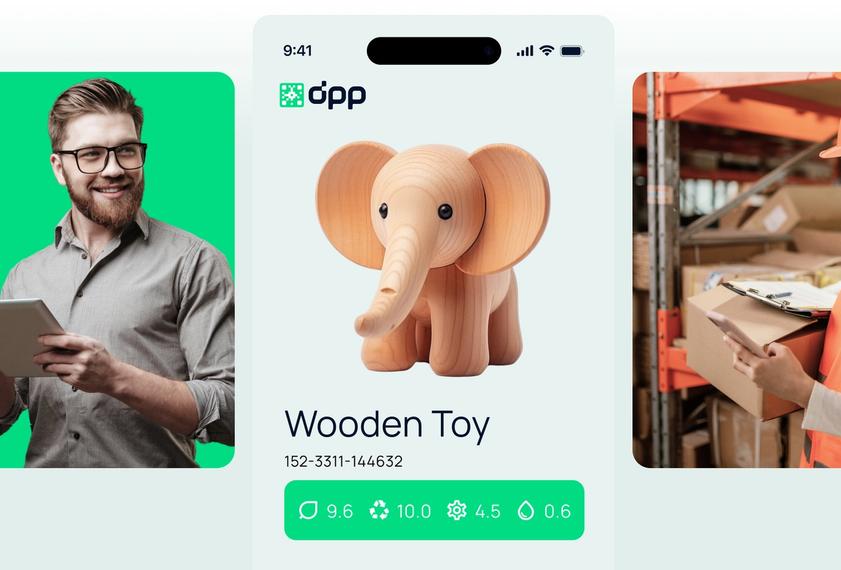
DPP for Importers
Importers ensure a valid DPP for every product and provide EU market access without risk of sanctions and delays.

DPP for Retailers and Service Centres
DPP simplifies warranties, repairs and product tracking. Retailers and service centres receive accurate information for higher quality service.

DPP for End Consumers
DPP provides transparency – composition, origin and recycling of products, so consumers can choose responsibly and make informed decisions.
You ask us:
Frequently asked questions

The Model passport is sufficient for mass production of standardised products with a constant material composition from the same supplier. For most SMEs this level is entirely adequate for achieving regulatory compliance in the early adoption period.
The Batch passport is needed when suppliers of key materials change periodically, when production conditions vary between runs, or when B2B buyers require traceability down to a specific production date and raw-material origin.
From February 2027, the Item passport is mandatory for LMT batteries, industrial batteries above 2 kWh, and EV batteries. It's also needed for luxury and boutique goods, products with an active secondary market such as used electronics and cars, and anywhere the traceability of the individual item matters for safety.
Yes — the three levels are not mutually exclusive. A furniture manufacturer, for example, might apply a Model passport to its standard range, a Batch passport to limited editions from a specific oak forest, and an Item passport to its handcrafted signature pieces. The recommended approach is to start with a Model passport and upgrade in stages.
WIARA with an end-to-end DPP solution
Our solutions

DPP for Textiles
DPP provides traceability from fibre to recycling, proves brands' sustainability, and inspires consumer confidence.
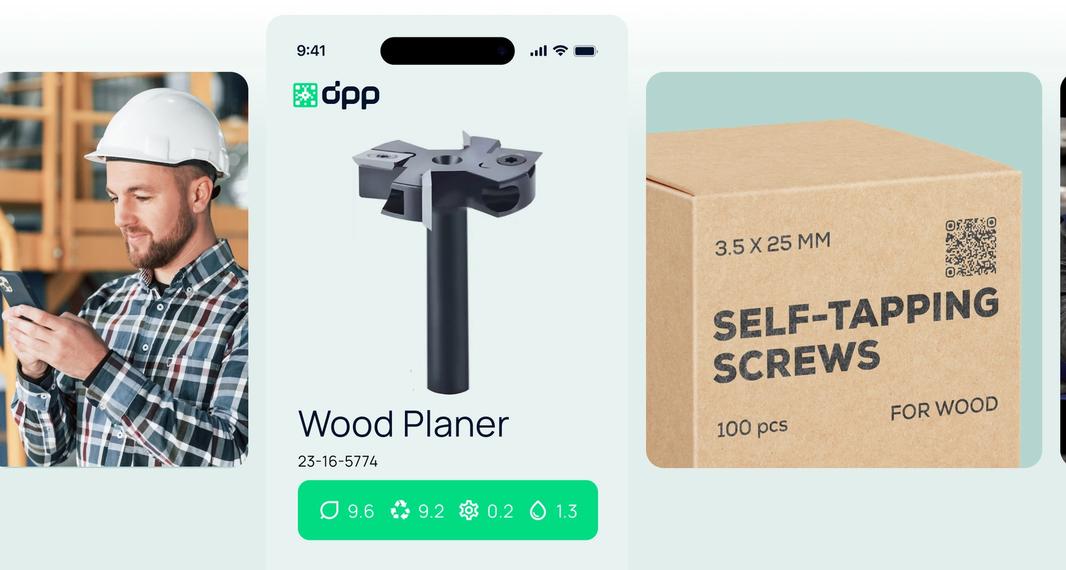
DPP for Manufacturers
Manufacturers create and maintain DPP, prove compliance and sustainability, earn trust and improve their processes.
DPP for Retailers and Service Centres
DPP simplifies warranties, repairs and product tracking. Retailers and service centres receive accurate information for higher quality service.
WIARA helping businesses
Roll out DPP in your production process quickly, easily and efficiently