DPP and Extended Producer Responsibility: What Bulgarian Manufacturers Need to Know

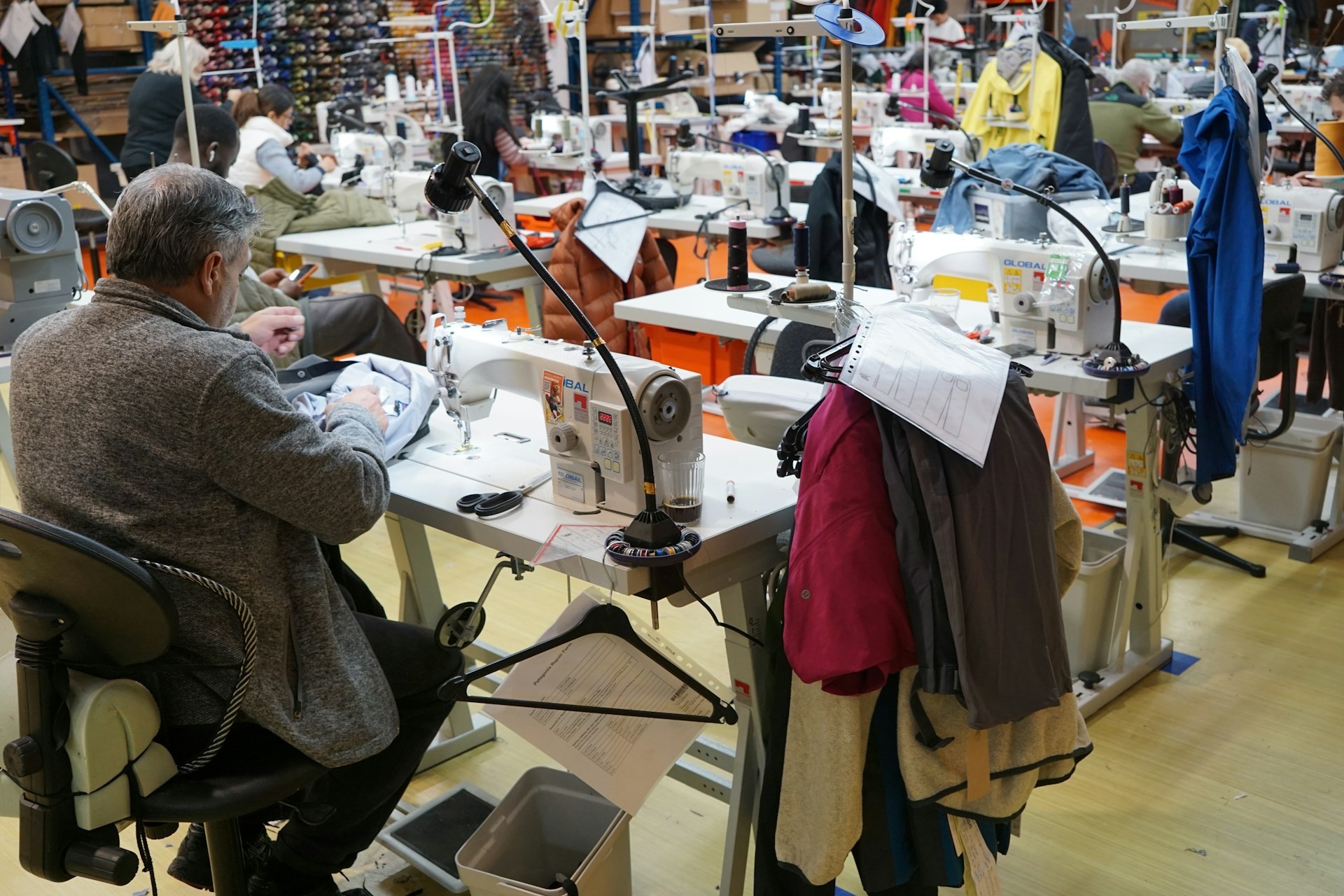
If you own or manage a production facility in Bulgaria, the term "Extended Producer Responsibility" is probably not new to you. For years, Bulgarian businesses have been paying product fees for packaging, batteries, oils and electronics. Until now, however, this process has often felt like a purely administrative and financial burden — you pay a fee to a recovery organisation and "forget" about your product the moment it leaves the warehouse.
Well, those days are coming to an end. With the arrival of the DPP, your responsibility as a manufacturer will no longer end at the factory loading bay. It will follow you along the entire journey of the product — from sale, through use and repair, all the way to the point at which it becomes raw material for something new.
Let us look at how the DPP will become the central tool for managing this extended responsibility, and why Bulgarian manufacturers should start preparing today.
Traditionally, Extended Producer Responsibility was focused primarily on the "end of life" stage — that is, the collection and recycling of waste. The new European framework, underpinned by the ESPR, shifts the focus much further upstream.
Manufacturers are now expected not merely to pay for processing waste, but to design products that do not turn into waste so easily in the first place. This is where the DPP comes in. It serves as the digital proof that you have done your job when it comes to sustainability.
This is a term every Bulgarian manager needs to commit to memory. In the near future, product fees will no longer be the same for everyone. Thanks to the data in the DPP, recovery organisations will introduce eco-modulated fees.
In practice, the Digital Product Passport will be your "invoice" — the document through which the state and regulators determine how much market access actually costs you.
Many manufacturers in Bulgaria worry that the DPP is just another bureaucratic hurdle. The truth is that, used correctly, the passport can save an enormous amount of time and resources.
Today, collecting data for reports to EPR organisations is often a manual and tedious process. With the introduction of the DPP, all the necessary information — on material composition, weight and origin — will be digitised. This allows reports to be generated with a single click, reducing the risk of human error and of penalties during inspections by RIOSV (the Regional Environmental Inspectorate).
Bulgarian manufacturers are often part of larger international chains. Your partners in Germany or France will demand DPP data from you in order to meet their own sustainability targets. If you do not hold this information in digital form, you risk being excluded from the chain as a "high-risk" or "non-transparent" supplier.
One of the pillars of EPR is extending the life of the product. In the DPP you can include:
Although the DPP will eventually cover almost all physical goods, several industries are a priority for the European Commission and face the shortest deadlines. If your business is in one of these sectors, the "wait-and-see" window has already closed:
Let us not kid ourselves — implementing the DPP requires effort. For Bulgarian small and medium-sized businesses there are several critical pressure points:
Here are several practical steps you can take today:
The Digital Product Passport is the instrument that turns Extended Producer Responsibility from a punitive measure into an opportunity for business optimisation. For Bulgarian manufacturers, this is a chance to move beyond the image of "producers with cheap labour" and to position themselves as modern, transparent and reliable European partners.
Yes, the road to full digitisation and transparency may look steep, but it is the only one leading to a sustainable future on the European single market. Ultimately, the passport is not just a label — it is your visa to the economy of the future.
Our solutions
DPP for different industries
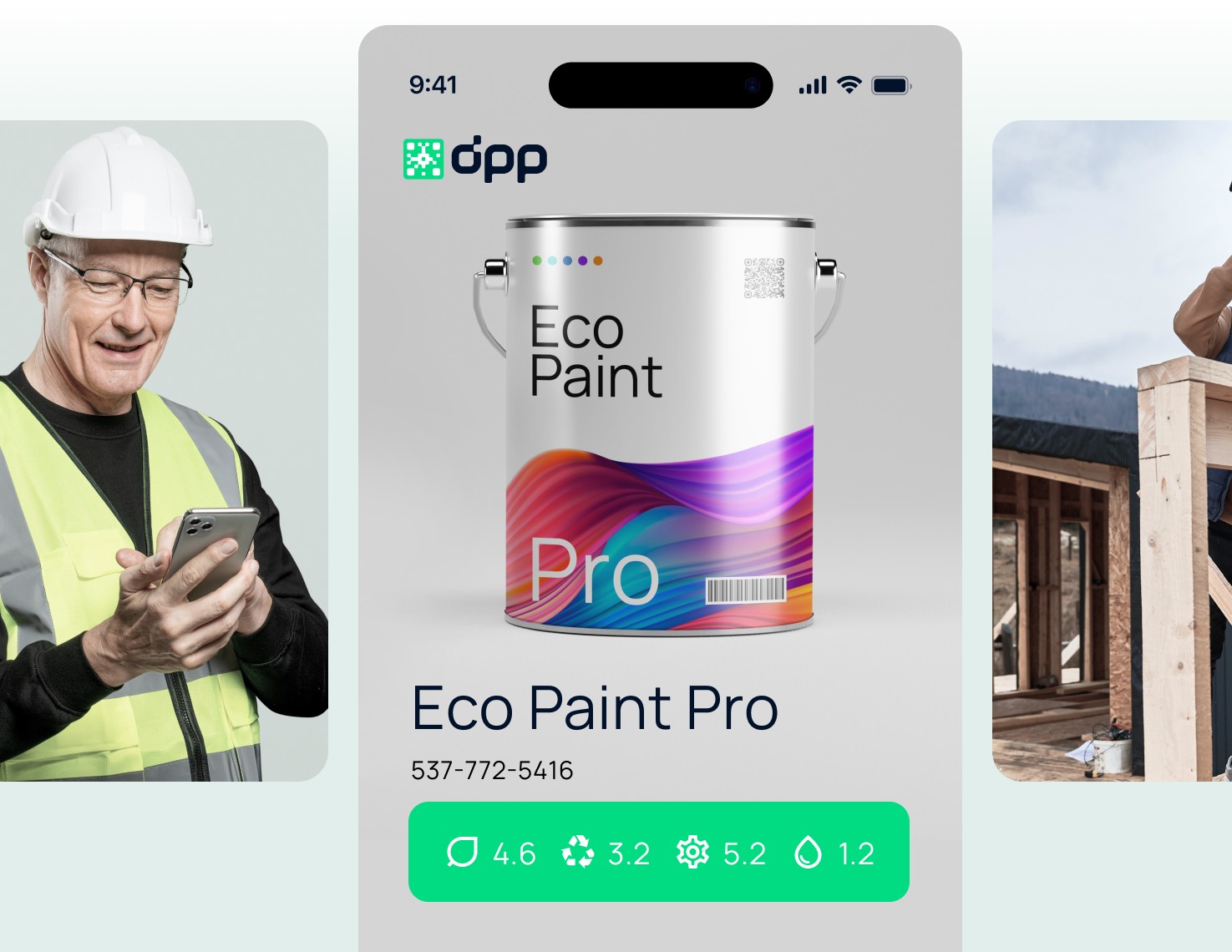
DPP for Construction Products
DPP ensures transparency for the composition and sustainability of construction materials, facilitating proof of origin and compliance with standards.

DPP for Retailers and Service Centres
DPP simplifies warranties, repairs and product tracking. Retailers and service centres receive accurate information for higher quality service.

DPP for the Furniture Industry
DPP ensures transparency for the materials used, facilitates reuse and recycling. It proves the sustainability of production.
You ask us:
Frequently asked questions

Legal responsibility before the Bulgarian authorities (RIOSV) and the European regulators rests with the entity placing the product on the EU market. - If you are the importer, you are obliged to request this data from your suppliers. - If they cannot or refuse to provide it, you will have to carry out the necessary measurements and analyses yourself (for example, for carbon footprint or chemical composition) in order to generate a valid passport. Without one, customs will block the import.
In the long run, the goal is automation. Instead of manually entering weight and material data at the end of every quarter, the Executive Environment Agency's system will be able to pull this information directly from the Digital Product Passport register. During the transition period (2026–2027) it is likely that reporting will have to be "duplicated" until our national systems are fully integrated with the central EU register.
This is a critical question for our light industry. When a Bulgarian factory sews for a foreign brand — for example, Zara or H&M — responsibility for the DPP normally lies with the brand owner. The Bulgarian manufacturer, however, must be ready to supply detailed production-process data: energy consumption, dyes used and fabric certifications. This data becomes part of the product's "dossier", and without it Bulgarian firms risk losing their contracts with the major retail chains.
The sanctions are serious and not only financial. In addition to fines, the authorities have the right to withdraw the product from the market. Because the DPP is a public document, any discrepancy between what is stated in the passport and the actual composition of the product is treated as an "unfair commercial practice" and "consumer deception", which can cause enormous reputational damage to the brand.
WIARA with an end-to-end DPP solution
Our solutions

DPP for End Consumers
DPP provides transparency – composition, origin and recycling of products, so consumers can choose responsibly and make informed decisions.
DPP for Construction Products
DPP ensures transparency for the composition and sustainability of construction materials, facilitating proof of origin and compliance with standards.
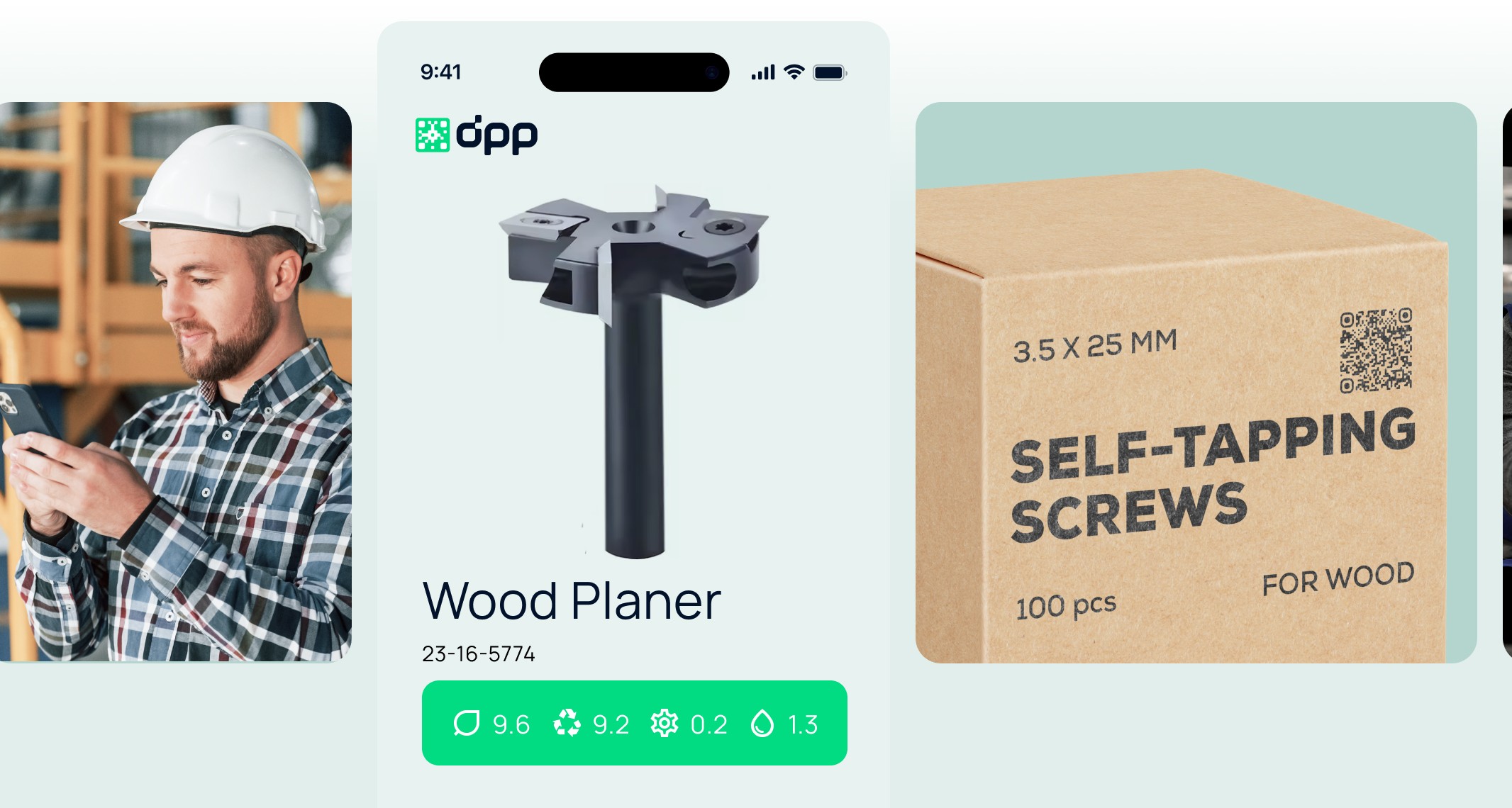
DPP for Manufacturers
Manufacturers create and maintain DPP, prove compliance and sustainability, earn trust and improve their processes.

Implement the DPP in your production process quickly, easily and efficiently

Get Started
Schedule a meetingHome
About Us
ESPR - Core Framework
CPR - Construction Products
DPP - Digital Product Passport
Work Plan 2025-2030
DPP - First Affected Industries
Partner Program
DPP Glossary
Product
DPP for Textiles
DPP for Steel and Iron
DPP for Batteries
DPP for Construction Materials
DPP for Furniture
DPP for Manufacturers
Pricing
Contacts
© 2026 WIARA DAAS Ltd.
All rights reserved.