DPP for furniture and timber: How to prove the sustainable origin of every board


Imagine you are selling an oak dining set to a customer in Germany. It is beautiful, sturdy and made with true craftsmanship. But the customer asks a question that no one would have thought to answer ten years ago: where does the wood come from, was it logged legally, what coatings were used and are they safe for his children?
With the arrival of the Digital Product Passport, these questions are no longer mere polite curiosity — they are a legal requirement. Bulgaria is among Europe's leading furniture producers, yet the sector faces a serious challenge: a large part of the timber supply chain passes through numerous intermediaries, and documentation of origin is fragmented and hard to trace. The DPP will change this for good.
EUDR — the regulation that comes before the DPP
Before we even talk about the Digital Product Passport, furniture manufacturers need to be familiar with another key European act: the EU Deforestation Regulation (EUDR). It requires proof that the timber used in products does not originate from illegally logged forest areas. The DPP is the natural technological solution for EUDR compliance — through it, this evidence becomes automated, traceable and auditable.
What does a DPP for furniture need to contain?
Unlike clothing or cosmetics, furniture has a complex, multi-layered material structure. A single sofa may contain a wooden frame, metal springs, polyurethane foam and textile upholstery. Each of these components requires its own story. A DPP for furniture will need to include:
- Timber origin: GPS coordinates of the forest or logging area, FSC or PEFC certificate and date of harvest
- Chemical composition of coatings: lacquers, paints, adhesives and impregnations — whether they contain VOCs (volatile organic compounds) or formaldehyde
- Percentage of recycled materials: whether recycled wood fibres (MDF, particleboard) have been used and in what quantity
- Instructions for disassembly and recycling: how to take the piece of furniture apart at end of life so that the different materials can be separated
- Safety certifications: particularly important for children's furniture — OEKO-TEX, EN 71 and others
The challenges facing Bulgaria's furniture sector
Bulgaria has a strong tradition in furniture manufacturing, but a large share of the companies are small and medium-sized enterprises whose timber suppliers are local forestry operations, sometimes without digitised documentation. The main challenges are:
- Lack of digital documentation from the forests: many forestry operations in Bulgaria still work with paper-based proof of origin
- A chain of intermediaries: timber passes through traders and warehouses before reaching the furniture factory, which complicates traceability
- Small suppliers without ERP systems: unlike the automotive industry, furniture suppliers rarely have digitised production processes
How the DPP becomes a competitive advantage
German, Scandinavian and Dutch furniture buyers are already asking sustainability questions when choosing a supplier. A furniture company from Gabrovo or Troyan that can provide a full DPP with verified timber origin will have a huge advantage over a competitor from Vietnam or Malaysia that cannot. The passport is not just a regulatory requirement — it is a first-class marketing asset.
Practical steps for furniture manufacturers
If you run a furniture factory in Bulgaria, here is where to start:
- Require all timber suppliers to provide digital proof-of-origin documents (forestry notes in XML or PDF)
- Check whether your suppliers can secure FSC or PEFC certification — if they cannot, look for alternatives
- Carry out a chemical analysis of the lacquers and adhesives you use, and request Safety Data Sheets from their manufacturers
- Invest in PLM (Product Lifecycle Management) software that consolidates the data on all components
- Get in touch with the industry association (BAMP) to explore collective solutions for DPP implementation
Conclusion
The Digital Product Passport for furniture is not a threat to your business — it is an invitation to tell the story of your product with pride. A piece of furniture made from legally logged oak timber from the Rhodopes, with non-toxic coatings and designed for easy recycling, can now prove all of this to the entire world with a single scan. Those who build this transparency today will be the leaders of tomorrow's sustainable furniture market.
Our solutions
DPP for different industries
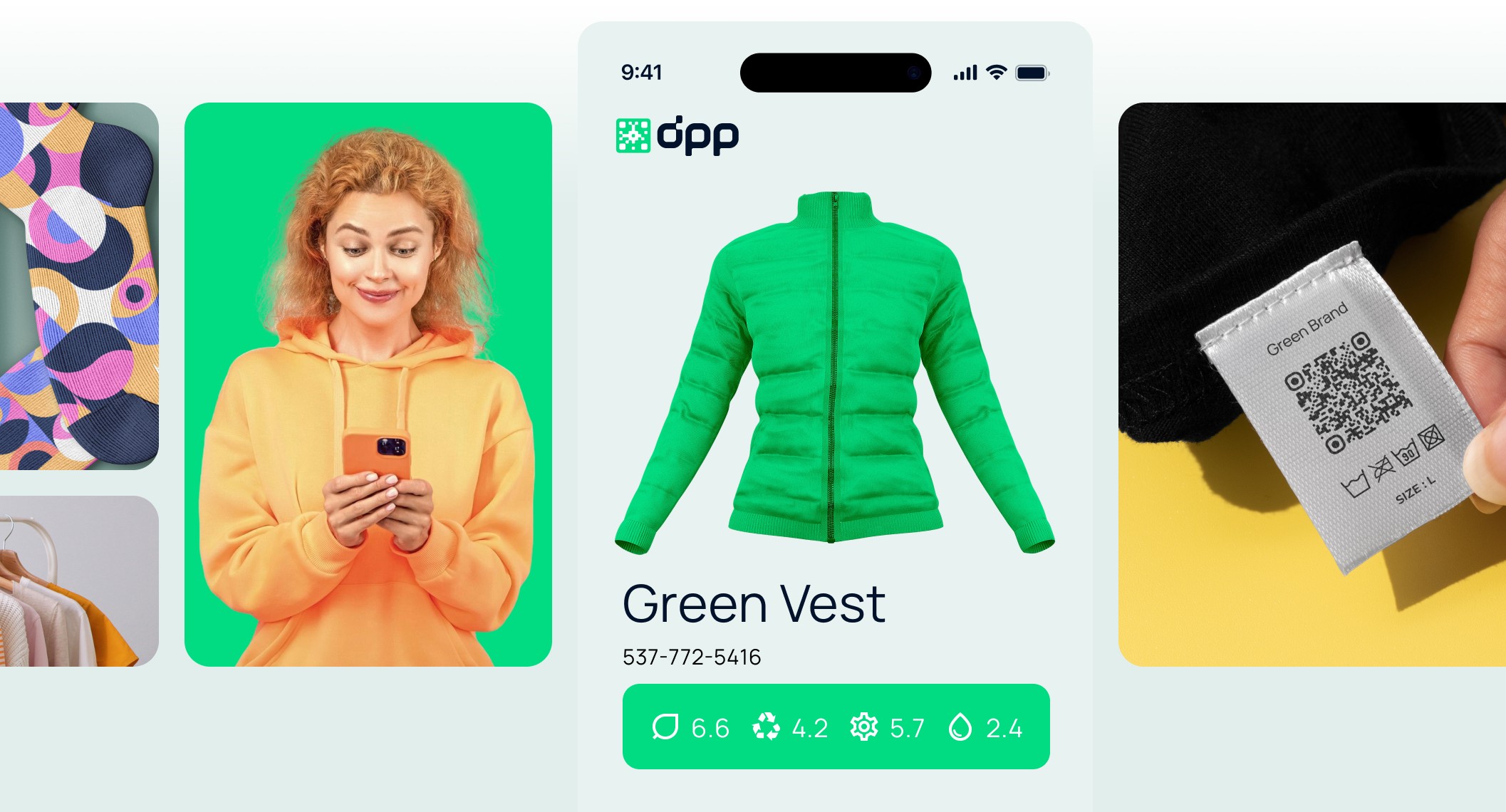
DPP for Textiles
DPP provides traceability from fibre to recycling, proves brands' sustainability, and inspires consumer confidence.
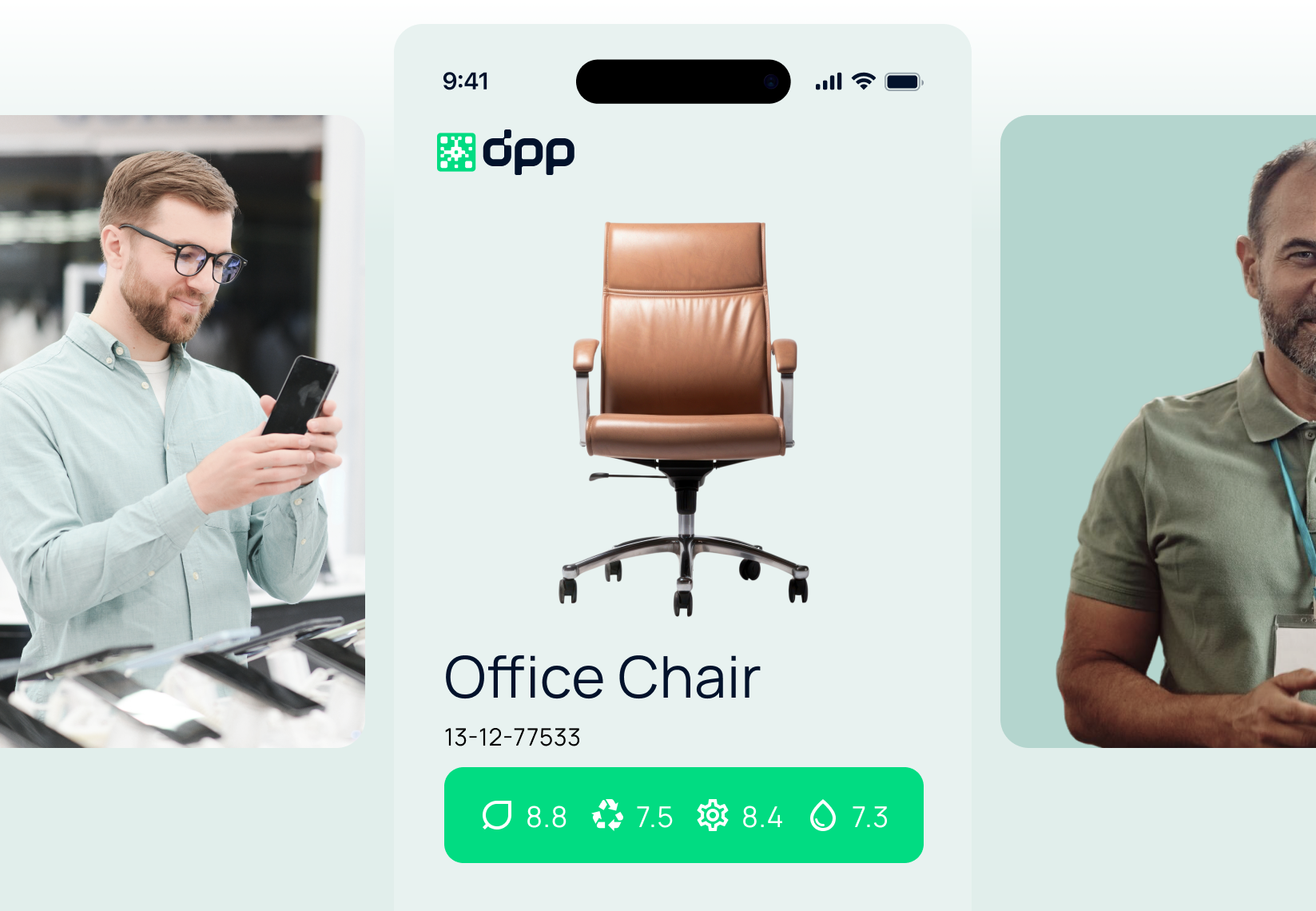
DPP for Retailers and Service Centres
DPP simplifies warranties, repairs and product tracking. Retailers and service centres receive accurate information for higher quality service.
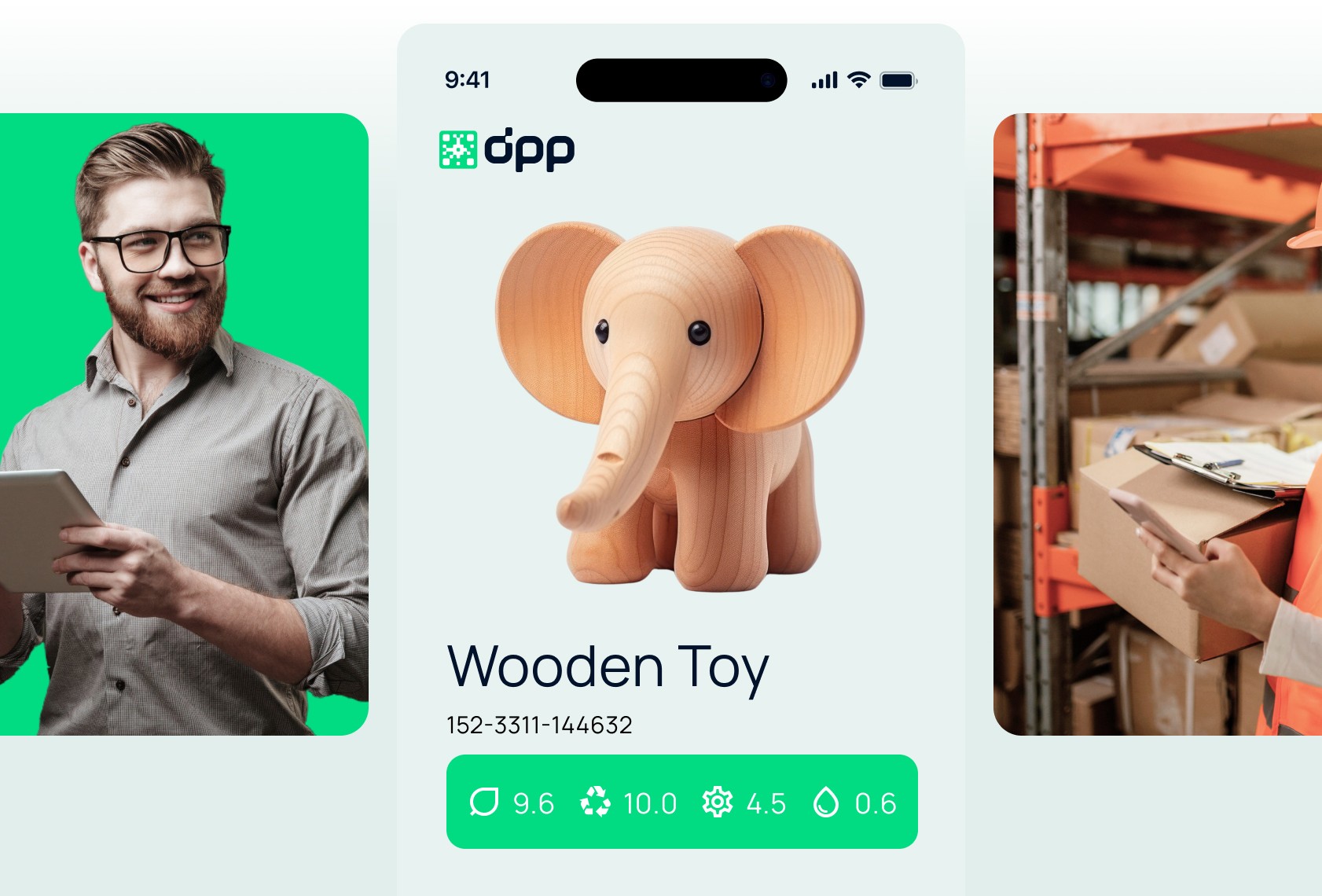
DPP for Importers
Importers ensure a valid DPP for every product and provide EU market access without risk of sanctions and delays.
You ask us:
Frequently asked questions

The passport should include GPS coordinates of the logging area and an FSC or PEFC certificate for the timber, the chemical composition of lacquers and adhesives, the percentage of recycled materials, instructions for disassembly at the end of the furniture's life, and safety certifications — particularly important for children's furniture.
The main obstacles are the lack of digital documentation from local forestry operations, the chain of intermediaries between the forest and the factory that complicates traceability, and the small suppliers without ERP systems, which are uncommon outside the automotive industry.
German, Scandinavian and Dutch buyers are already asking sustainability questions when choosing a supplier. A Bulgarian furniture company with a verified DPP has a huge advantage over a competitor from Vietnam or Malaysia that cannot prove the origin of its materials.
You need to request digital proof-of-origin documents from timber suppliers, check the feasibility of FSC or PEFC certification, carry out a chemical analysis of coatings, invest in PLM software and seek support from the industry association BAMP.
WIARA with an end-to-end DPP solution
Our solutions
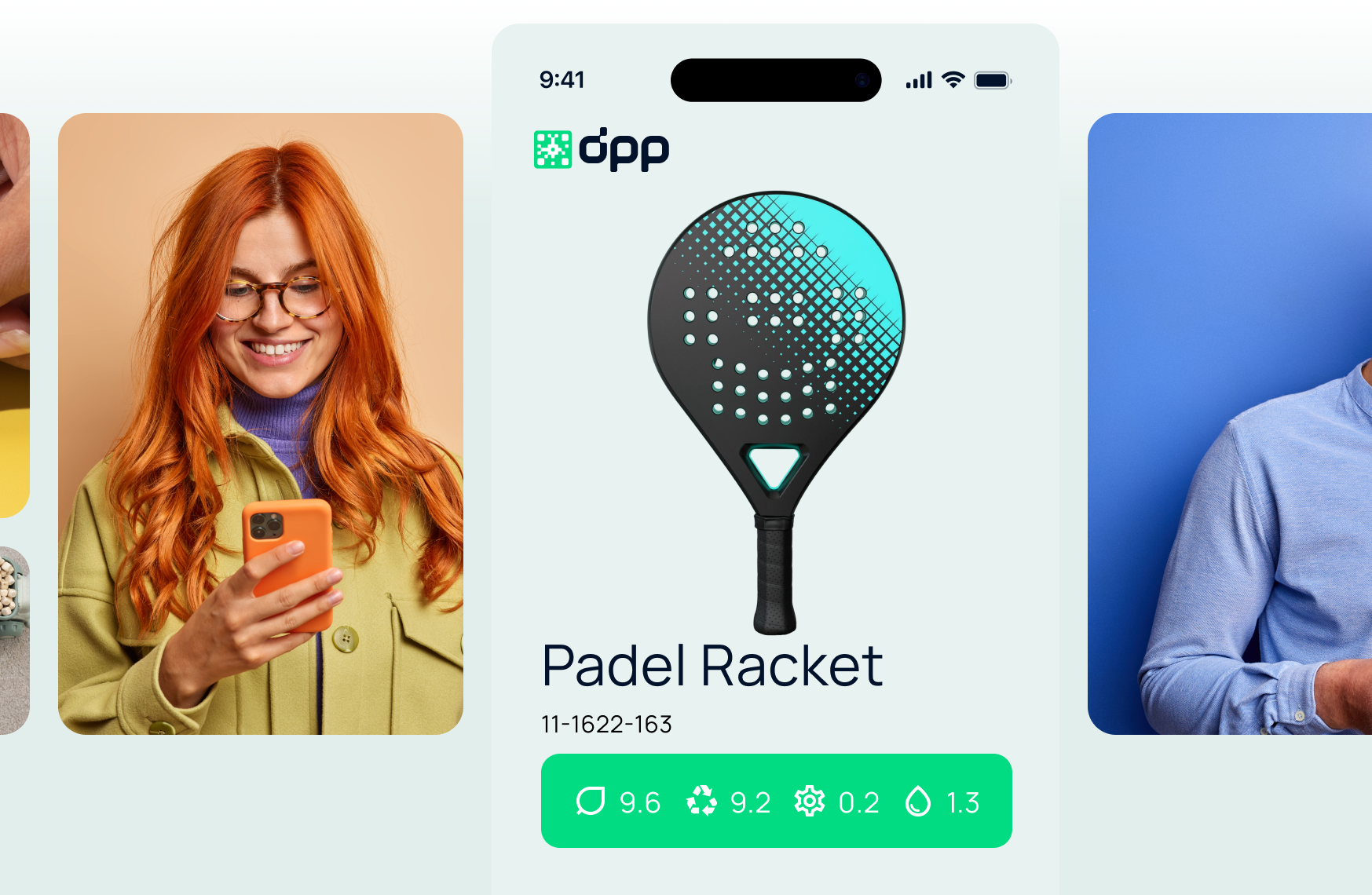
DPP for End Consumers
DPP provides transparency – composition, origin and recycling of products, so consumers can choose responsibly and make informed decisions.
DPP for Importers
Importers ensure a valid DPP for every product and provide EU market access without risk of sanctions and delays.
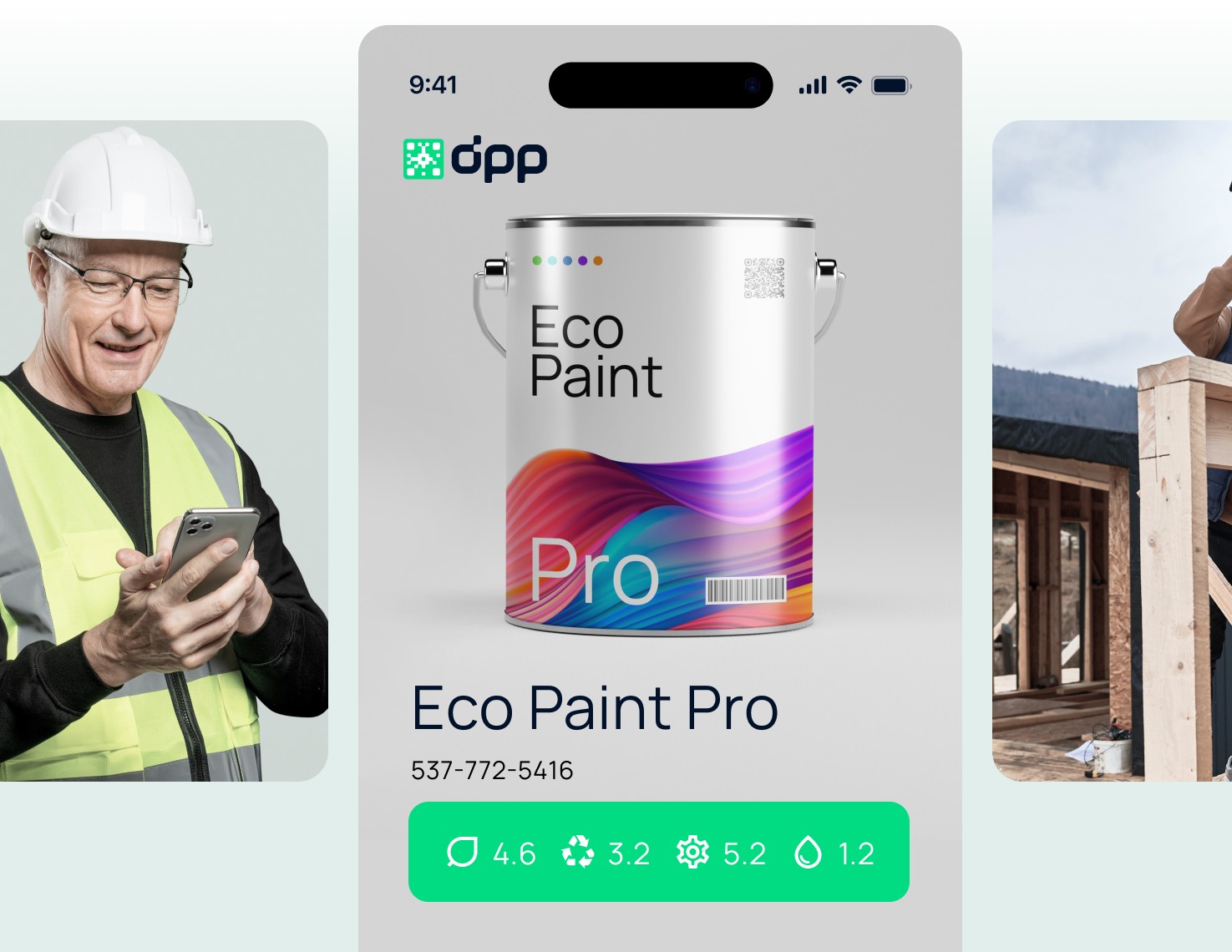
DPP for Construction Products
DPP ensures transparency for the composition and sustainability of construction materials, facilitating proof of origin and compliance with standards.

WIARA supporting your business
Implement the DPP in your production process quickly, easily and effectively