The Digital Product Passport (DPP): What It Means for Business and Consumers
Until recently, the word "passport" was associated solely with travel and borders. From 2027, however, a new requirement will come into force in the European Union – every product in certain categories will have its own Digital Product Passport (DPP).
DPP is part of the Ecodesign for Sustainable Products Regulation (ESPR) and is a key instrument in the EU's strategy for the Green Deal and the transition to a circular economy. This means that sustainability is no longer an added value, but a legal necessity.
What is DPP?
The Digital Product Passport is a "digital identity card of the product", which contains structured information about its entire lifecycle:
- composition and origin of materials;
- carbon footprint and energy efficiency;
- repairability and access to spare parts;
- recyclability and reuse options;
- traceability – who, when and where produced or modified the product.
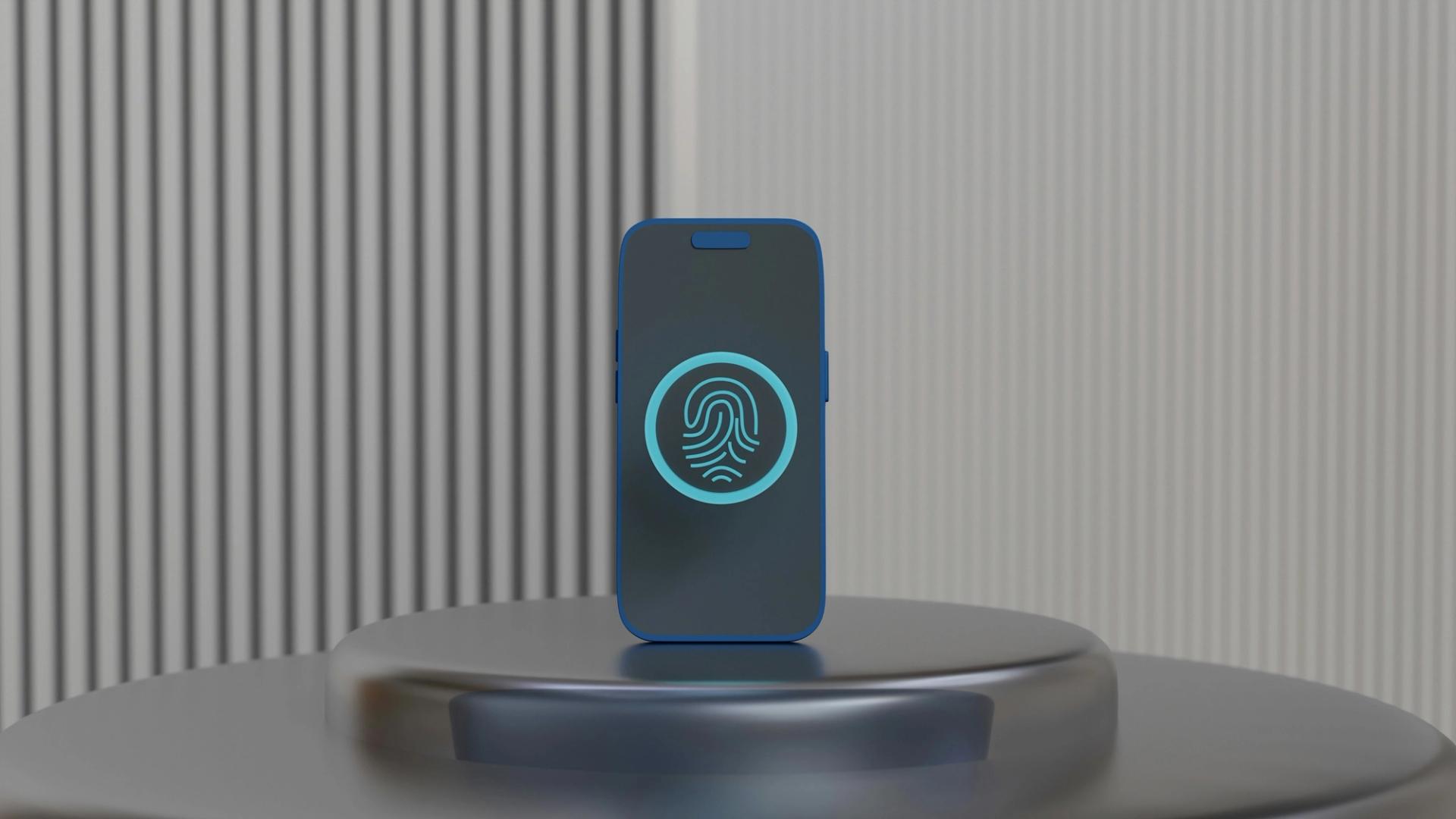
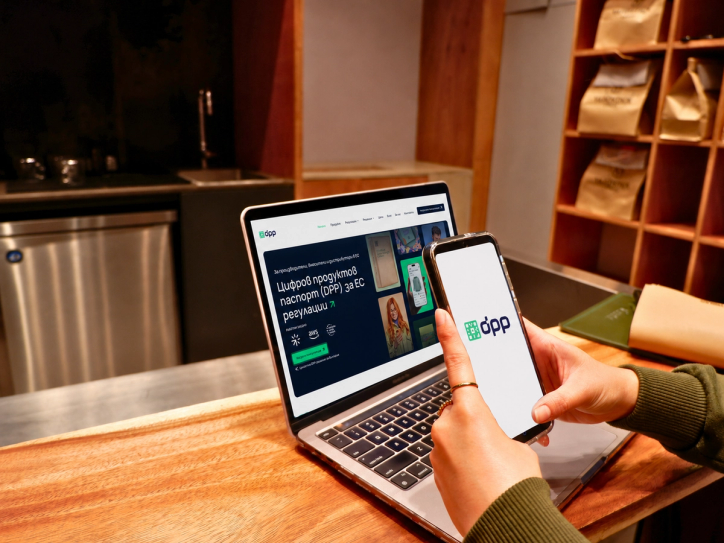
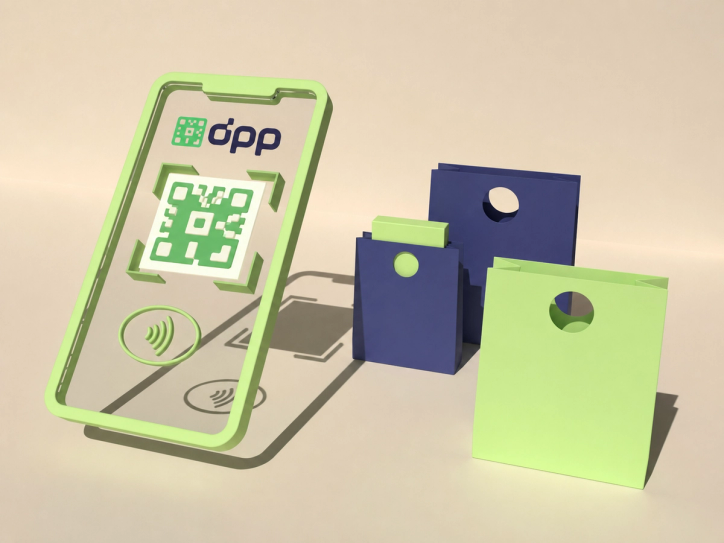
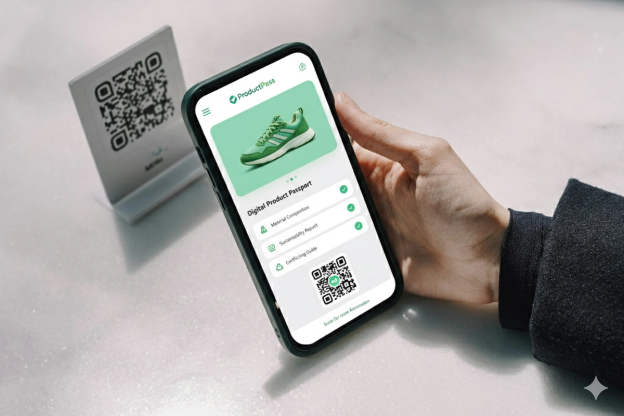
Access will be provided through a QR code or NFC chip on the packaging or the product itself.
Who benefits from DPP?
Manufacturers
For manufacturers, the Digital Product Passport is a strategic tool for proving sustainability and regulatory compliance. It facilitates access to European and international markets and builds trust with partners and customers.
- Proof of compliance with European standards.
- Easier entry into international chains.
- Competitive advantage over companies without DPP implementation.
Distributors and importers
DPP gives distributors a quick and reliable way to verify the origin and characteristics of products. This reduces bureaucracy and risk in international trade.
- Code scanning instead of paper documents.
- Faster customs and logistics procedures.
- Easy assessment of manufacturer reliability.
Retailers and service centres
Retailers and service centres gain access to accurate and up-to-date information for every product. This makes servicing more efficient and increases customer trust.
- Quick access to specifications and available spare parts.
- Fewer errors and complaints.
- Improved customer experience and professional image.
Consumers
For end customers, DPP is a guarantee of informed and secure choice. They can understand the real value and sustainability of a product even before purchase.
- Information about materials, origin and maintenance.
- Ability to compare brands and models.
- Confidence that they are buying a sustainable and verified product.
Society and regulators
At the societal level, DPP means more transparency, less waste and better market control. Government institutions receive valuable data for more effective policies.
- Reduction of the grey economy and counterfeits.
- More recycling and resource conservation.
- More accurate data for sustainable development.
Real-life examples: DPP in action
White goods
Imagine you buy a washing machine. After a few years it breaks down. Today, the technician often has to guess the exact model or search for documentation that may have been lost. With DPP, however, it is enough to scan the QR code and immediately get information about the device, including available spare parts and repair instructions. This makes the repair faster, cheaper and extends the life of the appliance.
Textiles and fashion
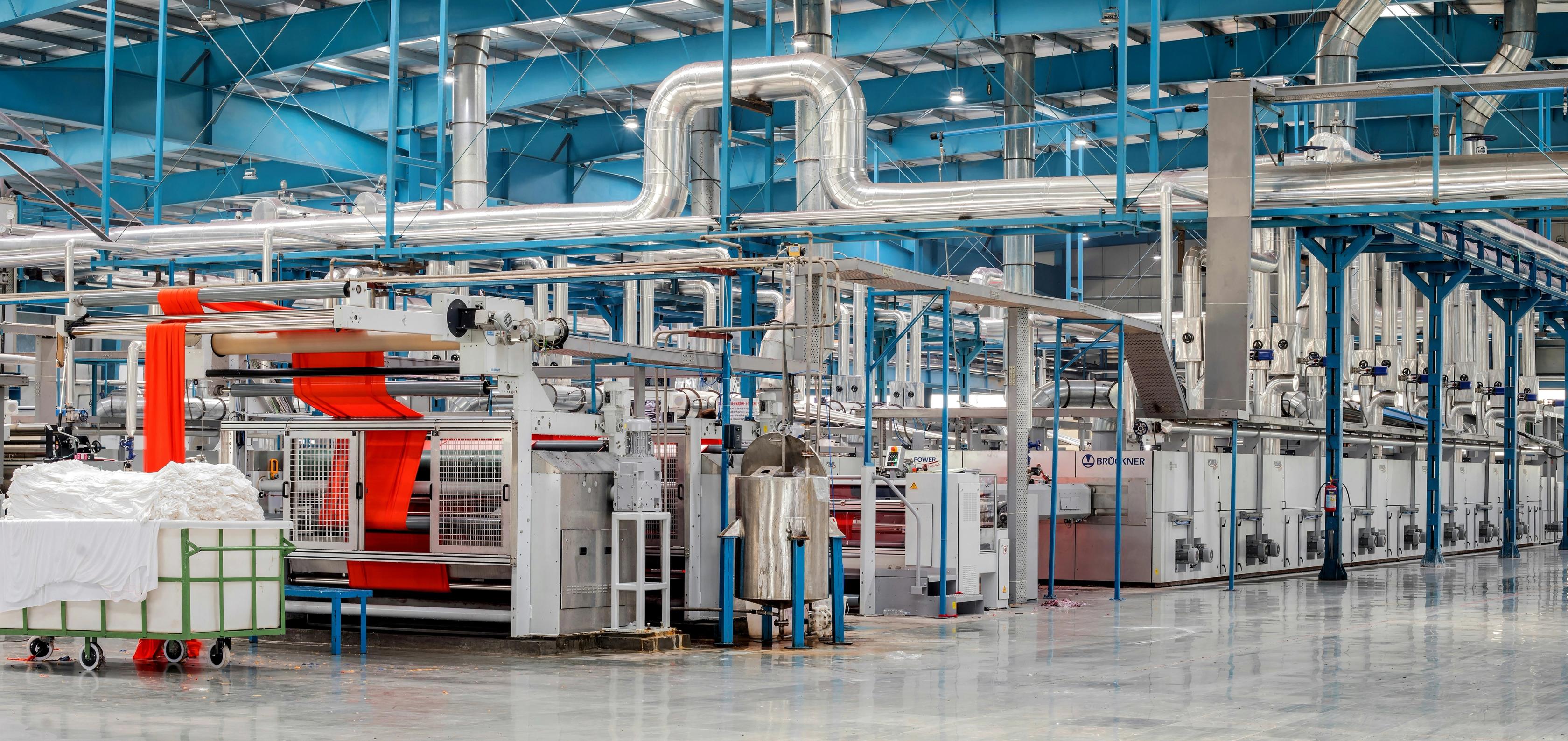
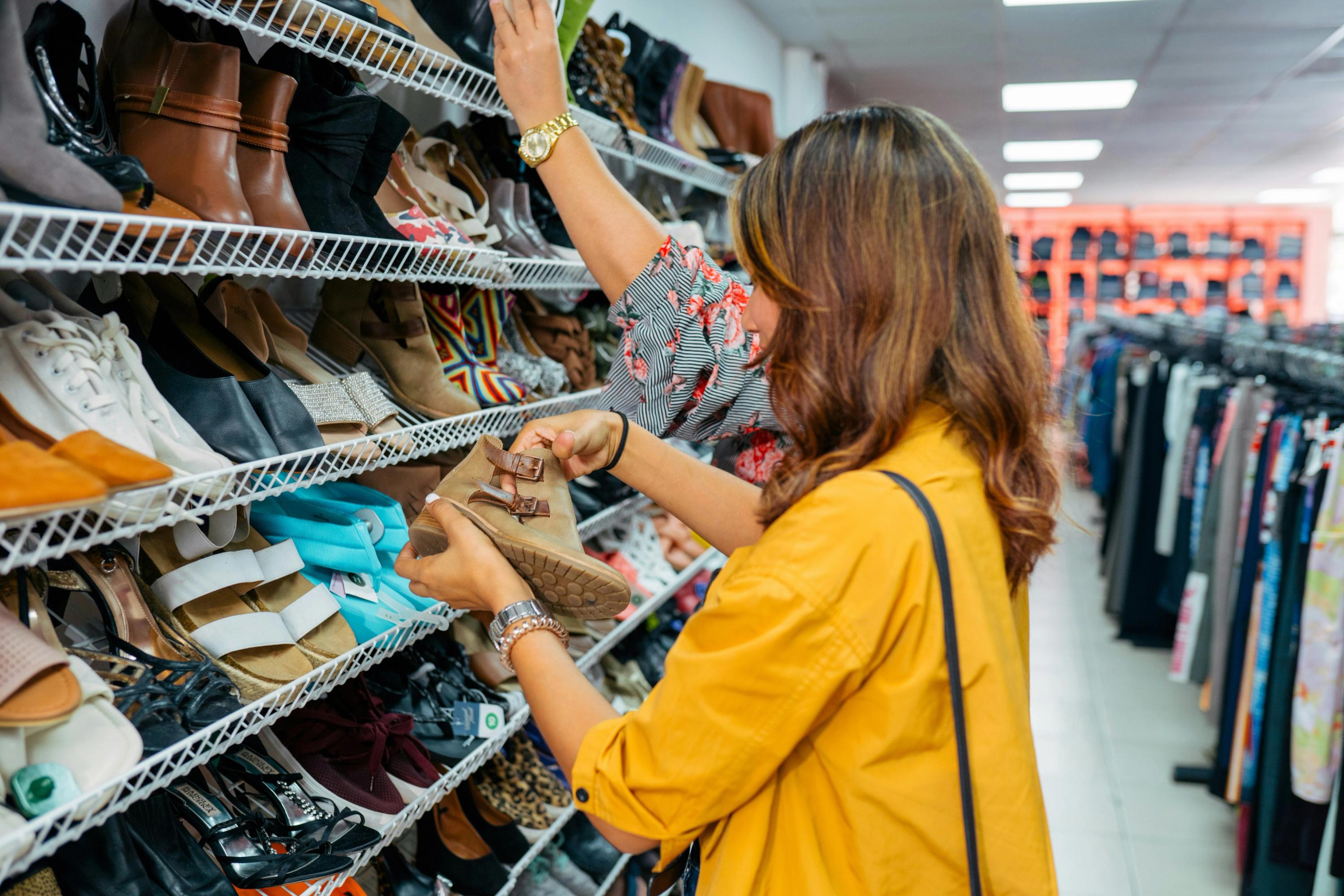
In a clothing store, you see a sweater with a QR code on the label. Scanning it shows you what materials it is made of, whether they are certified as sustainable, and the recycling conditions. This way, every consumer can make an informed choice – for example, whether to buy a product that is environmentally friendly and produced under fair labour practices.
Automobiles
For electric vehicles, digital passports will be key. Batteries and other main components will have an accurate history – when they were produced, what their capacity is, how they were maintained. This will make it easier for service centres, increase resale value and ensure proper recycling at the end of the vehicle's lifecycle.
Construction
In construction, DPP will collect information about all materials used – from concrete and insulation to windows and electrical installations. This will facilitate repairs, enable reuse of elements during demolition or reconstruction, and ensure that buildings meet energy standards. In the long term, this will reduce maintenance costs and increase property values.
Impact on supply chains
DPP will change the way companies manage their suppliers. Every component and material will need to be documented. This means:
- higher requirements for raw material suppliers;
- integration between supply chain management systems (ERP, CRM);
- constant control over origin and sustainability.
For large companies, this brings more transparency and security, and for small and medium enterprises – a chance to become trusted partners if they adapt quickly.
Will it increase the price of the final product?
A frequently asked question is whether DPP will raise prices.
- In the short term – yes, because businesses will need to invest in technologies, systems and training.
- In the long term – no, because:
- there will be fewer complaints,
- repairs will be cheaper,
- recycling will reduce raw material costs.
For consumers, this means a lower total cost of ownership of products in the long term.
DPP and ESG strategies
Large companies are already reporting according to ESG (Environmental, Social, Governance) standards. DPP will become a real tool for:
- proving reduction of the carbon footprint;
- transparency of supply chains;
- increasing investor confidence.
Possible challenges
Implementing DPP is not without challenges. Some of them are:
- technological complexity for companies without digital infrastructure;
- different requirements for different sectors;
- the need for high data cybersecurity.
The Business Context
Across the EU, DPP will come into effect following the same schedule. The most affected will be exporters – the furniture, textile and electronics industries.
WIARA will be among the first DPP solution providers in the country. Our SaaS platform will allow companies to implement the requirements quickly and at minimal cost.
How can businesses prepare?
- Conduct analysis early – which of your products will fall under the requirements.
- Invest in data systems – to collect and manage the information.
- Train your teams – production, logistics, marketing.
- Work with partners – implementation is easier with a technology provider.
Europe and the world
While the EU is making DPP a mandatory standard, in other parts of the world similar initiatives are voluntary. This creates tension but also opportunities:
- The USA is discussing but has no unified framework.
- Asia is actively monitoring – especially Japan and South Korea.
- Africa and Latin America will adapt more slowly, but for EU market access they will need to adopt similar practices.
Companies that act early will gain a significant advantage over global competition.
New business models
DPP will open doors to new business practices:
- Product as a service – a washing machine or equipment on a subscription, with full maintenance.
- Second life for products – higher resale value.
- Digital markets for recycling – efficient use of materials in new production.
Impact on the circular economy
One of the biggest goals of DPP is to accelerate the transition to a circular economy. When information about composition and recycling options is accessible, products can much more easily return to the economy instead of becoming waste. This will mean:
- more materials will be recycled and reused;
- pressure on natural resources will decrease;
- companies will be able to create new products from already available raw materials instead of using entirely new ones.
Benefits for consumers
DPP will also change consumer behaviour. Buyers will be able to:
- make more informed product choices;
- easily compare the sustainability of different brands;
- have access to information about warranties, maintenance and service without relying solely on paper documentation.
Regulatory effect and control
DPP will give institutions much greater clarity about the market:
- it will reduce illegal imports and counterfeit goods;
- it will facilitate compliance checks with European standards;
- it will support the development of sustainable development policies.
This will be important because the country is an entry point for many products from third countries to the EU market.
Impact on small and medium enterprises
SMEs are often worried that new regulations will increase the administrative burden. However, DPP can be an opportunity:
- it will give visibility to small producers before large European partners;
- it will allow access to new distribution channels;
- it will make it easier to prove sustainability, which otherwise requires significant resources.
Educational effect
With the introduction of DPP, there will be a need for new skills and expertise:
- specialists in sustainable production;
- experts in data collection and analysis;
- professionals in cybersecurity and data protection in product chains.
This means new opportunities for universities and vocational schools that will need to prepare professionals for the new realities.
International perspectives
While the EU imposes DPP as a mandatory standard, other regions will be forced to adapt if they want access to the European market. This will turn DPP into a de facto global standard.
For companies that work on export markets, this means:
- easier access to Western European retail chains;
- new opportunities for partnerships with global brands;
- increased trust in products made locally.
Looking to the future
From 2027, only the first wave begins. By 2030, most products on the European market are expected to have DPP. This will lead to:
- a radical change in the way we buy and use goods;
- a new culture of transparency and trust;
- an economy where sustainability is a built-in requirement, not a choice.
Conclusion
The Digital Product Passport is more than a regulation – it is a new way for business to be transparent, sustainable and competitive.
Companies that start preparing early will not view DPP as a burden, but as an opportunity. They will build trust with their customers and partners and will have a real advantage in the new sustainability economy.
At WIARA, we believe that this is where the opportunity lies for companies to take leading positions in the European market and prove that sustainability is a competitive advantage, not just a requirement.
All About DPP
Frequently Asked Questions

The first product categories will be covered in 2027, and by 2030, almost all goods on the European market are expected to have a passport. For companies, this means that preparation should start early to avoid losing access to key markets.
Initially – yes, as companies will invest in systems, software and training. But in the long term, products will become cheaper for consumers – repairs will be faster, spare parts more accessible, and recycling will reduce the cost of raw materials for manufacturers.
With a single scan, buyers will be able to find out how a given product was manufactured, whether it is sustainable and how it can be recycled. This will make it easier to compare brands and encourage consumers to choose more responsible companies.
Small and medium enterprises may struggle due to a lack of digital infrastructure or expertise. But if they adapt quickly, DPP can open doors to European retail chains and put them on equal footing with large manufacturers.
Iron and steel are the first product group under ESPR, followed by textiles and furniture. For companies that export to the EU, DPP is a chance to demonstrate transparency and quality. Solutions like WIARA's SaaS platform will allow businesses to implement the requirements at minimal cost.

Latest Articles About DPP
 Kiril Shivachev••9 min read
Does the system that told you about Article 13 also perform Article 13?
 Kiril Shivachev••4 min read
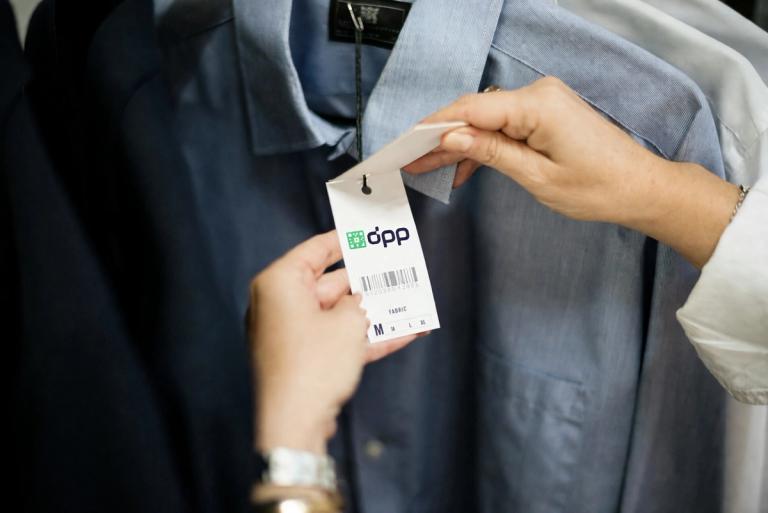
Digital Product Passport for Clothing: The Roadmap for Fashion Brands (2026–2030)
 Anita Kisimova-Dzakova••3 min read
The DPP and the right to repair: How the passport obliges manufacturers to design for durability
 Anita Kisimova-Dzakova••5 min read
Model, Batch or Item: Which DPP passport level do you actually need?
 Kiril Shivachev••5 min read
WIARA launches the DPP Partner Program — a new business model for consultants and agencies
 Anita Kisimova-Dzakova••3 min read
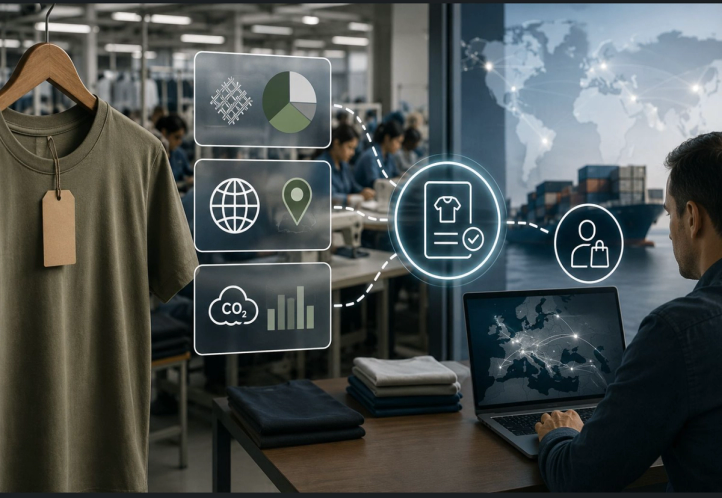
DPP for importers: Why responsibility for the passport is yours, even if you didn't make the product
 Anita Kisimova-Dzakova••5 min read
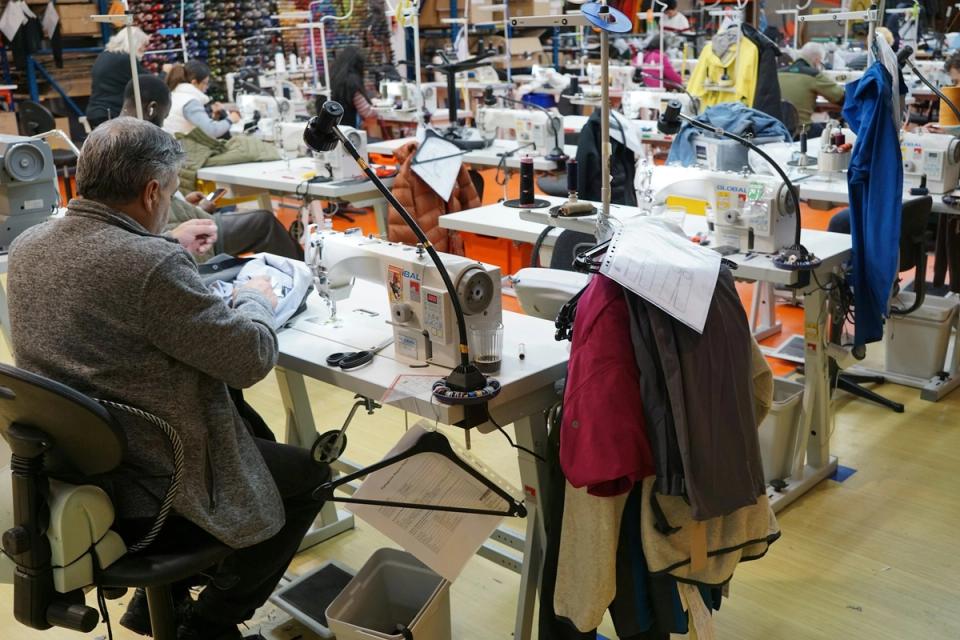
DPP and EPR: How Extended Producer Responsibility Is Changing for Manufacturers
 Anita Kisimova-Dzakova••9 min read
Cybersecurity and the DPP: How to protect Digital Product Passports from hackers and counterfeits
 Anita Kisimova-Dzakova••7 min read
DPP and ERP: How to Automate the Digital Product Passport Without Operational Chaos
 Anita Kisimova-Dzakova••6 min read
"Made in Europe" + DPP: A Premium Image on International Markets
 Anita Kisimova-Dzakova••6 min read
EU funding for Digital Product Passport projects
 Anita Kisimova-Dzakova••6 min read
"The Ostrich Strategy": How the Lack of DPP Can Bankrupt Your Business
 Anita Kisimova-Dzakova••8 min read
End of "Greenwashing": The Digital Passport Revolution
 Anita Kisimova-Dzakova••8 min read
Trade Secret vs. Transparency: Security in the DPP Era
 Anita Kisimova-Dzakova••5 min read
DPP and Ethics: The Future of Transparent Manufacturing
 Anita Kisimova-Dzakova••5 min read
The Future of DPP: What Innovations to Expect in the Next 5 Years?
 Anita Kisimova-Dzakova••5 min read
A Comparison of Regional Approaches to DPP in Europe and the USA
 Anita Kisimova-Dzakova••5 min read
DPP in Education: The Path to Sustainable Development
 Anita Kisimova-Dzakova••5 min read
Digitalization of Supply Chains with DPP
 Stefan Dyankov••6 min read
A Wardrobe Revolution: The Digital Passport as an Engine of Textile Innovation
 Stefan Dyankov••6 min read
End of "Buy and Throw Away": The Digital Product Passport Revolution
 Kiril Shivachev••2 min read
WIARA Is Now ISO 27001 Certified
 Stefan Dyankov••5 min read
DPP and Re-commerce: How the Passport Will Change Europe's Second-Hand Market
 Kiril Shivachev••6 min read
How can SMEs implement digital passports on a budget?
 Kiril Shivachev••3 min read
The EU has banned the destruction of unsold clothes: what it means for textile and apparel companies
 Stefan Dyankov••6 min read
From compliance to competitive advantage: How to use DPP for green marketing
 Kiril Shivachev••4 min read
DPP as a Tool for Competitive Advantage
 Kiril Shivachev••7 min read
The Digital Product Passport in the Textile Industry and the Future of RFID Threads