How the digital passport turns repairability into an obligation

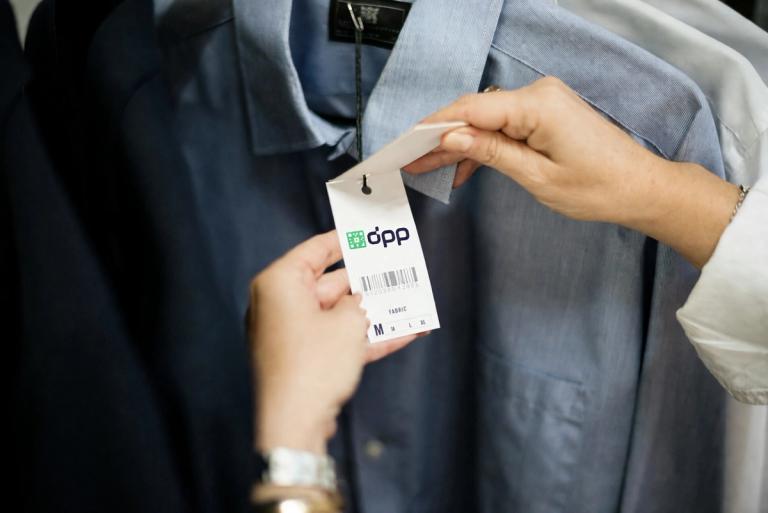
For decades, the business model of many manufacturers rested on so-called planned obsolescence — designing products that deliberately break or age faster than is technically necessary. A battery glued in so it can't be replaced. A smartphone whose spare parts are sold for just 2 years. A washing machine whose control board costs more to repair than a new machine.
The European Union has decided to put an end to this practice. The Right to Repair Directive and the ESPR make repairability a mandatory requirement. And the Digital Product Passport is the technological mechanism through which this requirement is enforced in practice.
What does the law say?
The Right to Repair Directive, adopted by the European Parliament, requires manufacturers to:
- Provide spare parts for a minimum period after sales end (7–10 years for key components)
- Make repair documentation available to independent repairers at a reasonable price
- Not use technical or software barriers to prevent third-party repair
- Rate the product's repairability on a standardised scale (Repairability Score)
How does the DPP turn these requirements into reality?
Without a digital passport, the right to repair stays a good intention on paper. The DPP is the practical tool that delivers it, in three ways:
1. Disassembly documentation
The passport will be required to contain disassembly diagrams — step by step, how to reach every component. This information will be available not only to authorised service centres, but also to independent repairers and even ordinary consumers. Imagine: you scan the QR code on your broken vacuum cleaner and immediately get video instructions on how to replace the motor.
2. Spare-parts catalogue
The DPP will include a full list of spare parts with their unique identifiers. This will let independent suppliers produce compatible parts and prevent the situation where a manufacturer deliberately stops supplying spare parts to force the consumer to buy a new product.
3. Repairability index
Following the model already in place in France, the EU is introducing a mandatory repairability rating. It will be included in the DPP and will show, on a scale, how easy the product is to repair. This score will directly affect the eco-modulated EPR fees.
Which sectors are hit hardest?
- Household appliances and consumer electronics: Washing machines, refrigerators, TVs, smartphones — the requirements are strictest here
- ICT equipment: Laptops, tablets, printers
- Power tools: Drills, sanders, garden equipment
- Furniture: The focus is on the replaceability of upholstery and metal mechanisms
Business models set to thrive
The right to repair, backed by the DPP, will give rise to new business models:
- Repair cafés and makerspaces: Places where consumers fix their products with the help of DPP instructions
- Spare-parts platforms: Marketplaces where independent manufacturers offer compatible components
- Service-as-a-Product models: Manufacturers sell the use of the product rather than the product itself, so they have an interest in keeping it running for a long time
Conclusion
Together, the right to repair and the DPP are a fundamental blow against the throwaway economy. For manufacturers used to profiting from frequent product replacement, this is a serious challenge. But for those who design with durability in mind, the DPP is the megaphone with which they can tell that story to the whole world.
Our solutions
DPP for different industries
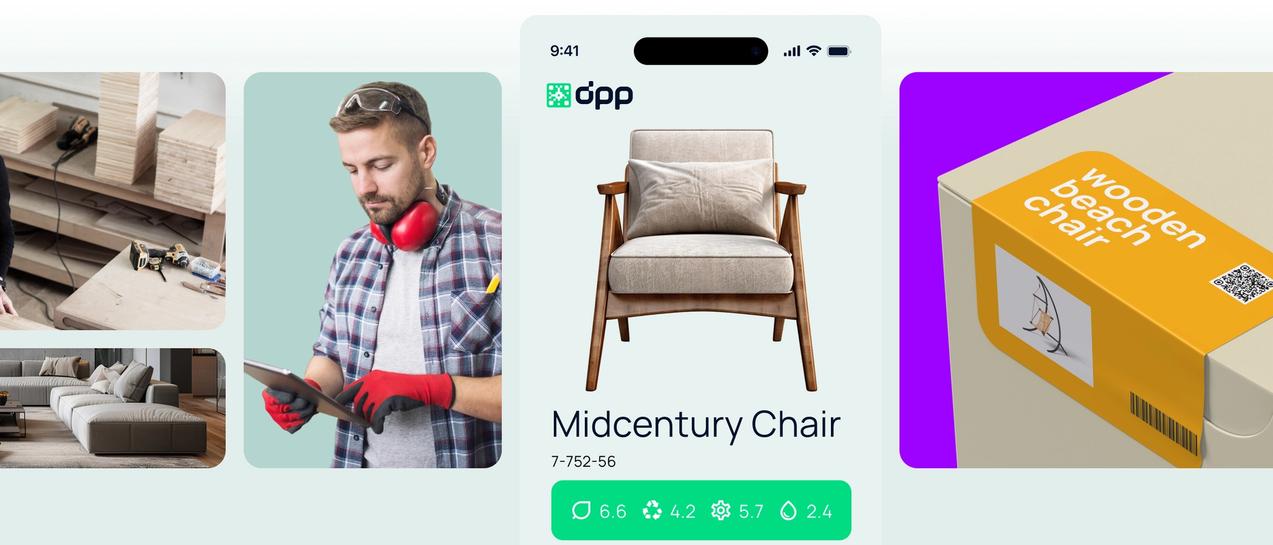
DPP for the Furniture Industry
DPP ensures transparency for the materials used, facilitates reuse and recycling. It proves the sustainability of production.

DPP for Construction Products
DPP ensures transparency for the composition and sustainability of construction materials, facilitating proof of origin and compliance with standards.
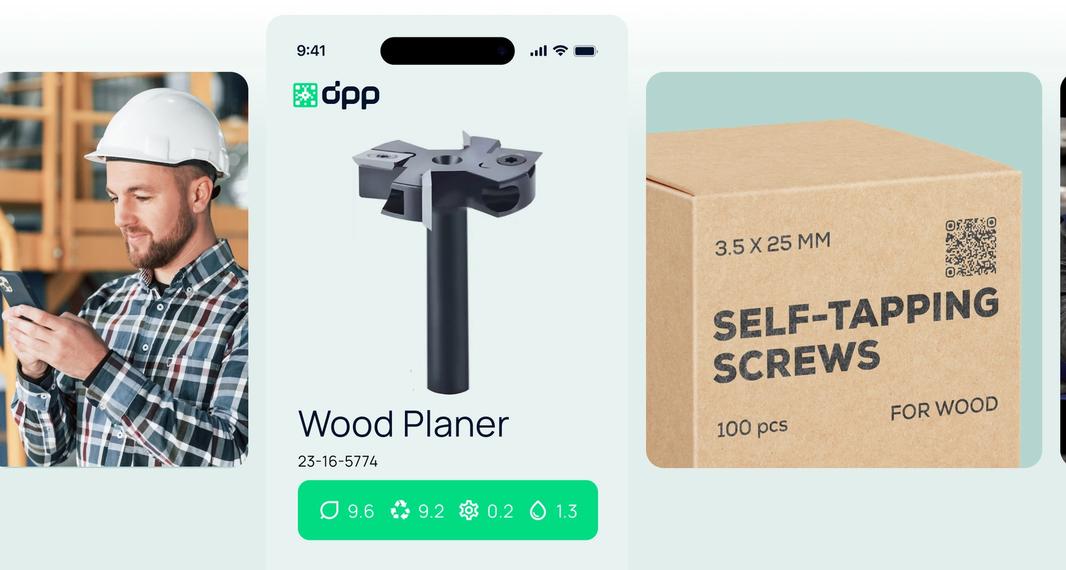
DPP for Manufacturers
Manufacturers create and maintain DPP, prove compliance and sustainability, earn trust and improve their processes.
You ask us:
Frequently asked questions

Manufacturers are required to provide spare parts for 7 to 10 years after sales end, to make repair documentation available to independent repairers at a reasonable price, not to place technical or software barriers in the way of third-party repair, and to rate the repairability of their products on a standardised scale.
First, through mandatory disassembly schemes accessible to every consumer. Second, through a full spare-parts catalogue with unique identifiers, letting independent suppliers produce compatible components. Third, through a Repairability Index that rates how easy a product is to repair and directly affects the eco-modulated EPR fees.
The hardest hit are household appliances and consumer electronics — washing machines, refrigerators, TVs and smartphones — ICT equipment such as laptops and printers, power tools, and furniture, with a focus on the replaceability of upholstery and metal mechanisms.
Three new models are expected: repair cafés and makerspaces where consumers fix their products with the help of DPP instructions; spare-parts platforms where independent manufacturers offer compatible components; and Service-as-a-Product models, where the manufacturer sells the use of the product rather than the product itself.
WIARA — a complete DPP solution
Our solutions

DPP for End Consumers
DPP provides transparency – composition, origin and recycling of products, so consumers can choose responsibly and make informed decisions.
DPP for Construction Products
DPP ensures transparency for the composition and sustainability of construction materials, facilitating proof of origin and compliance with standards.
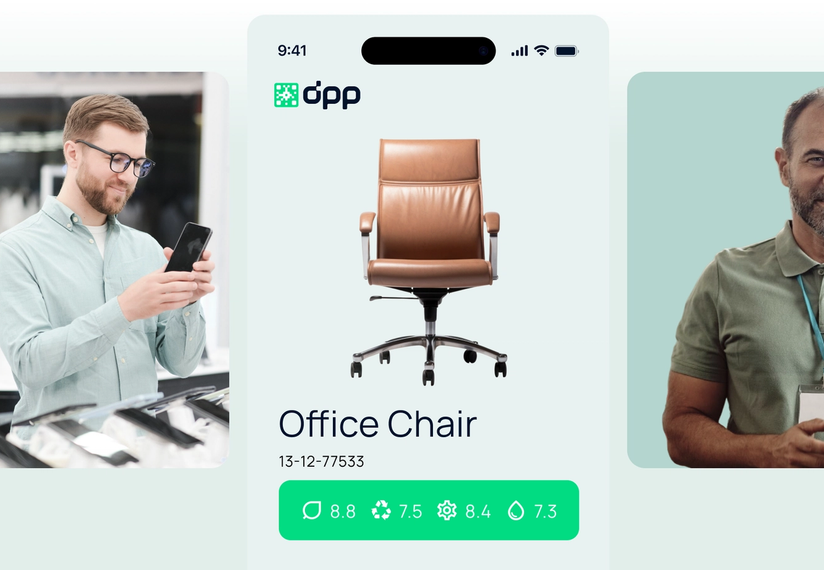
DPP for Retailers and Service Centres
DPP simplifies warranties, repairs and product tracking. Retailers and service centres receive accurate information for higher quality service.

WIARA supporting business
Embed the DPP in your production process quickly, easily and effectively