DPP for aluminium: why the most recyclable metal is among the first with a digital passport

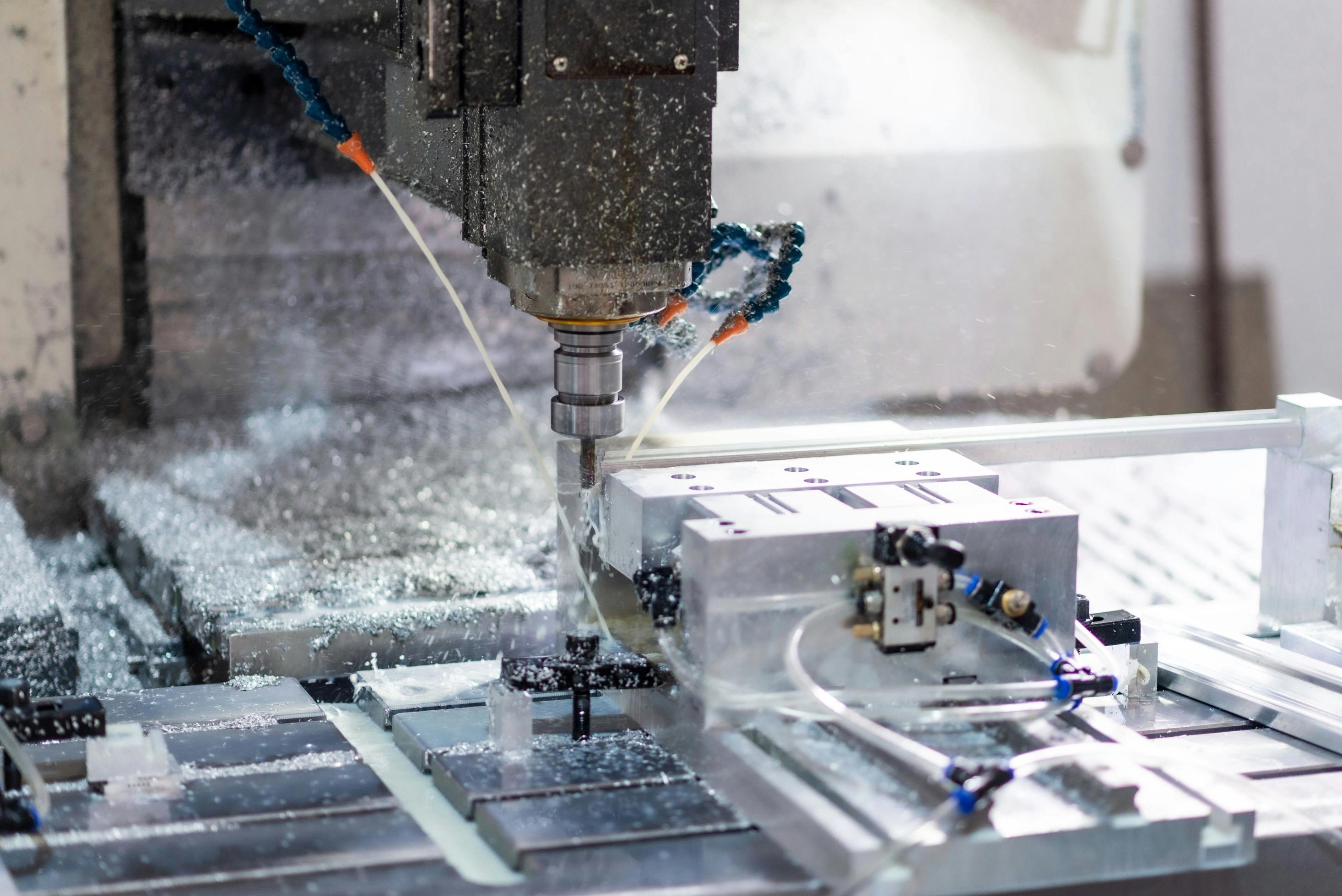
Aluminium is everywhere, yet we almost never see it as it really is. It is the window frame, the beer can, the laptop lid, the car wheel, the aircraft body. Light, strong, endlessly recyclable — and at the same time one of the most energy-intensive materials humanity produces. That very combination puts it on the European Union's list for a Digital Product Passport.
After iron and steel, aluminium is the next base metal the EU will require to carry a passport. If you produce, process, import or use aluminium, this article explains what is coming, when, and why it is worth starting to prepare now.
Why aluminium is on the list
The answer lies in a paradox. Aluminium is the material of the circular economy — it can be recycled endlessly without losing quality, and recycling saves around 95% of the energy compared with production from raw material. And at the same time its primary production is brutally energy-hungry.
Primary aluminium is extracted through electrolysis, which devours enormous amounts of electricity. That is why the carbon footprint of one tonne varies dramatically depending on where the power comes from: from around 4 tonnes of CO₂ per tonne when produced with hydropower, to over 15–20 tonnes when powered by coal. The same metal, but with a radically different environmental profile depending on its origin.
This is why the EU wants transparency. Without data on origin and energy, “green aluminium” and “dirty aluminium” look identical on the market. The passport makes the difference visible.
- Highly carbon-intensive in primary production — but with enormous decarbonisation potential through green electricity.
- Endlessly and fully recyclable — secondary aluminium is among the most valuable materials in the circular economy.
- A base material that goes into almost every other industry — transport, construction, packaging, electronics, aerospace.
When it takes effect
Aluminium is among the priority product groups in the first working plan under the Ecodesign Regulation (ESPR), adopted in April 2025. It travels in one package with textiles and tyres.
On the Commission's timeline, the delegated act setting the exact requirements for aluminium is expected in the second half of 2027. Its adoption is followed by the usual transition period of at least 18 months, which means a real obligation around 2029.
That sounds far off. It is not — and here is why: much of the data the passport will require is not yours. It sits with the bauxite supplier, the smelter, the electricity provider. Collecting it along the chain is a negotiation, not a software project, and it takes years, not weeks. The full picture of the timelines is in the working plan 2025–2030 and in the overview of the industries affected first.
What the passport of one tonne of aluminium will contain
The exact fields will be set by the delegated act, but the direction is clear from the steel requirements and from the logic of the material. Expect the passport to include:
- the production route — primary (electrolysis) or secondary (recycled), because this is the single biggest factor in the footprint;
- the verified carbon footprint per tonne, with the energy source stated;
- the recycled-content percentage — how much of the metal comes from scrap;
- the alloy and grade (the 1xxx–8xxx series), temper and mechanical properties;
- the presence of restricted substances and alloying elements;
- recycling instructions and alloy separation at end of life.
Notice what all these fields have in common: they are data that today is either not collected systematically or lives scattered between departments and suppliers. The passport does not create new information — it requires you to organise it.
The CBAM link: one transparency, two requirements
Here is the most practical news for business. Aluminium is among the sectors covered by the Carbon Border Adjustment Mechanism (CBAM) — the EU's carbon levy on imports, whose definitive regime applies from 2026.
Both CBAM and DPP essentially want the same thing: reliable data on the carbon footprint of every tonne. CBAM wants it to calculate the levy on imports; DPP wants it to document the footprint transparently for the whole market.
A company that has already built its data for the DPP holds exactly what it needs for its CBAM declarations too. Transparency pays off twice, instead of being a double cost.
The reverse is also true: whoever is already wrestling with CBAM reporting is halfway to DPP. The two requirements are not separate bureaucratic burdens — they are two applications of the same data system.
What this means for your business
Europe has a real aluminium processing sector — rolled and extruded products, foil, construction profiles, automotive components. For these companies DPP is not an abstract Brussels topic, but a concrete future requirement from their own customers.
For manufacturers and processors
Start measuring and documenting the carbon footprint and recycled content now. Build a system for collecting data upstream — from the metal supplier to the energy contract. Whoever has this data first turns it into a competitive advantage rather than a last-minute scramble. See what DPP for manufacturers looks like.
For importers
If you import aluminium or products made from it, you will carry responsibility for the passport at the border — exactly as you carry responsibility for the carbon levy under CBAM. The conversation with the non-EU supplier about data must begin at the negotiation stage. More in DPP for importers.
For distributors and retailers
You will need to be able to pass the passport data down to your customers. Proof of registration will become a standard requirement when accepting goods — see DPP for retailers and service centres.
Aluminium as an advantage, not a burden
There is an angle that is often missed. Aluminium is one of the few materials where sustainability is not a trade-off with quality — recycled aluminium is practically indistinguishable from primary. That means that for manufacturers DPP can be not a burden, but a sales story.
A brand that can prove low-carbon, high-recycled aluminium with a passport in hand has a tangible advantage over a competitor who merely claims the same. In a world that increasingly wants proof instead of promises, that is the difference between a won and a lost contract. We unpacked this logic in B2B sales and DPP and in Made in Europe and the DPP.
Where to start
The obligation is around 2029, but preparation starts now — because the data is the slow part.
- Map your data. Not what data you have, but where it lives — in the ERP, in Excel, in an email from a supplier, in one person's head on the production floor.
- Link DPP and CBAM into one process. If you already report carbon for CBAM, build on the same data instead of standing up a parallel system.
- Talk to your suppliers now. Origin and energy data is gathered upstream, and upstream nobody hurries voluntarily.
- Watch the registry. The EU's central registry is now live — the test environment is open and free to experiment with.
If you want to see how it works in practice, take a look at our product or book a call.
Our solutions
DPP by role in the chain

DPP for Manufacturers
Manufacturers create and maintain DPP, prove compliance and sustainability, earn trust and improve their processes.

DPP for Importers
Importers ensure a valid DPP for every product and provide EU market access without risk of sanctions and delays.

DPP for Retailers and Service Centres
DPP simplifies warranties, repairs and product tracking. Retailers and service centres receive accurate information for higher quality service.
DPP for aluminium
Frequently asked questions

According to the ESPR working plan of April 2025, aluminium is a priority group alongside textiles and tyres. The delegated act with the exact requirements is expected in the second half of 2027, and the obligation itself after a transition period of at least 18 months — that is, around 2029.
It is expected to include the production route (primary via electrolysis or secondary from recycled metal), the verified carbon footprint per tonne with the energy source stated, the recycled-content percentage, the alloy and grade, mechanical properties, restricted substances and recycling instructions.
Aluminium is among the sectors covered by CBAM — the EU's carbon levy on imports. Both CBAM and DPP require reliable data on the carbon footprint of every tonne. A company that has built its data for one already holds what it needs for the other, so transparency pays off twice.
Start measuring and documenting the carbon footprint and recycled content, link DPP and CBAM reporting into one process, and talk to suppliers about origin and energy data. The data is the slow part of preparation and is gathered upstream, so an early start turns the requirement into a competitive advantage.
WIARA's complete DPP solution
For base materials and industries
DPP for Steel and Iron
The first product group under ESPR — traceability of the composition, origin and carbon footprint of steel.

DPP for Construction Products
DPP ensures transparency for the composition and sustainability of construction materials, facilitating proof of origin and compliance with standards.
DPP for Manufacturers
Manufacturers create and maintain DPP, prove compliance and sustainability, earn trust and improve their processes.
Your aluminium is ready. Is your data?
Build your carbon and material data before the obligation becomes a deadline.