The EU has banned the destruction of unsold clothes: what it means for textile and apparel companies
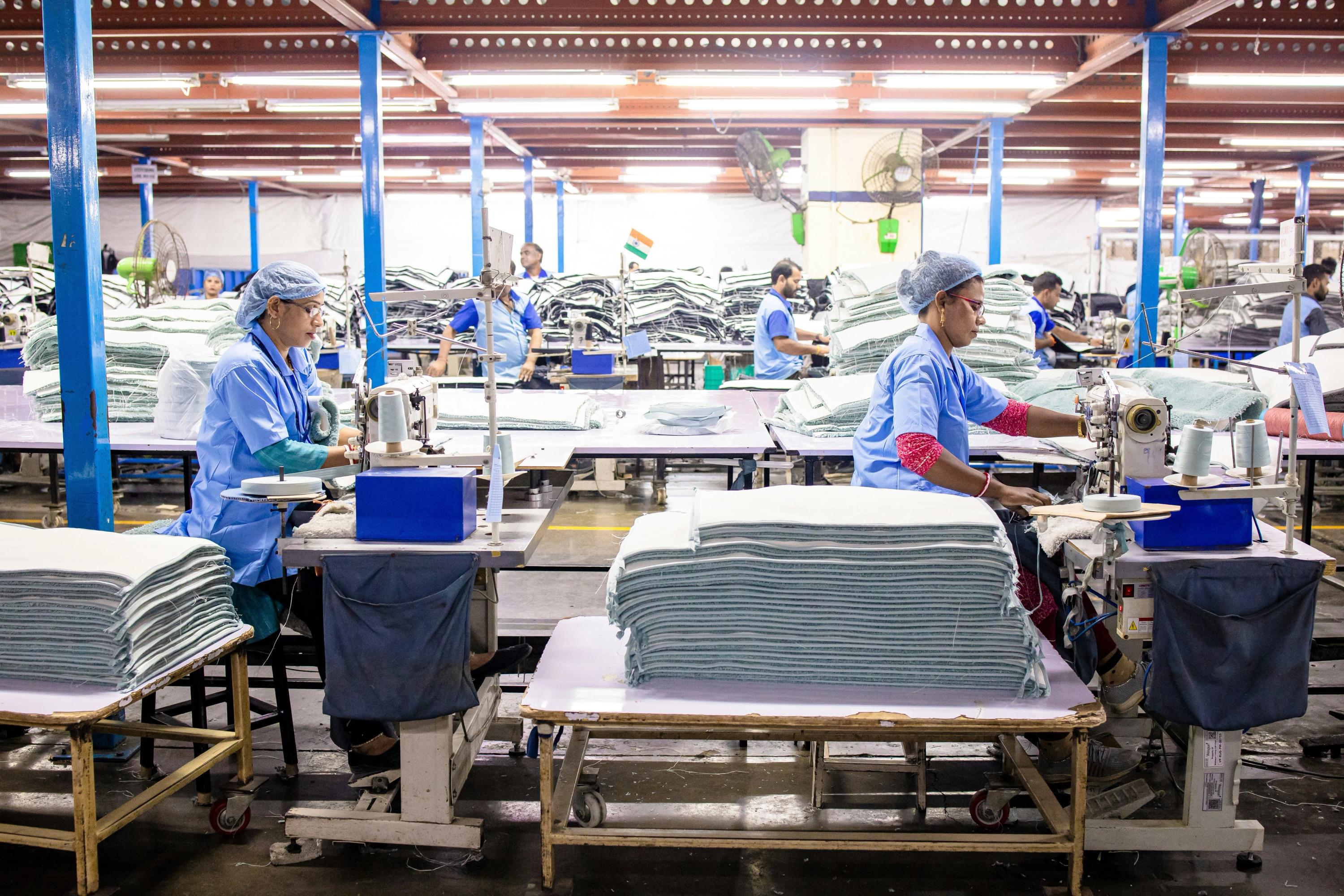
On 9 February 2026 the European Commission adopted two acts that change the rules for the textile industry. They put into practice the ban on destroying unsold apparel, clothing accessories and footwear set by the Ecodesign for Sustainable Products Regulation (ESPR).
For textile and apparel companies across Europe, this changes how unsold stock has to be managed. It is also a preview of the product passport that will follow.
What exactly is changing?
The ESPR and the two new acts set out three things:
- A ban on destroying unsold apparel, clothing accessories and footwear: large companies may no longer destroy these products from 19 July 2026. A delegated act lists the justified exceptions, for example for safety reasons or damaged goods, and national authorities oversee compliance.
- Disclosure: companies must report the volumes of unsold consumer products they discard. An implementing act sets a standard format for that disclosure, which applies from early 2027.
- Who is covered: micro and small enterprises are exempt. Medium-sized companies are expected to follow in 2030.
The scale of the problem: the Commission estimates that 4–9% of unsold textiles in Europe are destroyed before ever being worn, producing around 5.6 million tonnes of CO₂ emissions, almost as much as Sweden's total net emissions in 2021.
The Digital Product Passport runs on a separate clock
The destruction ban is not the passport. The ESPR delegated act for textile passports is expected in 2027 on the Commission's indicative timetable, and its requirements will apply only after a transition period of at least 18 months. Realistically, that points to around 2029.
That sounds distant. The preparation is not, because it depends on:
- Supply-chain data: materials, origin and processes across the whole chain.
- Data carriers: QR codes or NFC tags on each item.
- Life-cycle information: how the product can be repaired and recycled.
Why now rather than later
Large brands and retailers are already changing how they select suppliers, and they will ask for passport data as their own obligations approach. Factories that cannot supply it as standard risk being replaced by those that can.
This is a question of market access, not only of ecology.
A roadmap: how to prepare
1. Start now
- Data audit: do you know the exact material composition of each product?
- Supplier mapping: can your suppliers give you reliable information?
2. Over the next 12 months
- Evaluate platforms: compare DPP software against the data you actually hold.
- Pilot: apply the requirements to a single product line first.
3. Before the textile requirements apply
- Automation: connect your production systems so that passport data is generated rather than typed in.
How DigitalProductPassport helps
DigitalProductPassport is a cloud platform built by WIARA, a software company based in Plovdiv, Bulgaria. It publishes digital product passports in all 24 official EU languages and keeps public, professional and authority data apart.
Why textile and apparel SMEs choose DigitalProductPassport:
- Transparent pricing: a free plan with 3 passports in total, then paid plans from €33 to €419 a month including VAT.
- 24 EU languages: enter the data once and publish the passport in every official EU language.
- Practical help: we do not just provide software; we help you structure the data.
Start with the data you already have. The rest can be built step by step.
Sources
- A ban on destroying unsold apparel, clothing accessories and footwear — environment.ec.europa.eu
DPP from WIARA
Our solutions

DPP for Textiles
DPP provides traceability from fibre to recycling, proves brands' sustainability, and inspires consumer confidence.

DPP for the Furniture Industry
DPP ensures transparency for the materials used, facilitates reuse and recycling. It proves the sustainability of production.

DPP for Construction Products
DPP ensures transparency for the composition and sustainability of construction materials, facilitating proof of origin and compliance with standards.
Textiles and the DPP
Frequently asked questions

No. Micro and small enterprises are exempt from the ban, and medium-sized companies are expected to follow in 2030. Large brands that buy from smaller suppliers will still expect help with their own compliance, so the effect reaches further than the legal scope.
Not yet. The textile delegated act is expected in 2027 on the Commission's indicative timetable, and its requirements will apply only after a transition period of at least 18 months. That points to around 2029, but the exact date will be set in the act itself.
Probably not replace it, but you will need to extend it. Most existing systems were not designed to track product data at this level of detail or to publish it as a passport. A platform like DigitalProductPassport connects to your existing ERP and automates the process without replacing your whole infrastructure.
Because collecting data from raw-material suppliers takes time. Buyers are already sorting their suppliers into prepared and unprepared, and starting now gives you an advantage when contracts for the coming seasons are negotiated.
Recent articles on DPP
 Kiril Shivachev••9 min read
Does the system that told you about Article 13 also perform Article 13?
 Kiril Shivachev••4 min read
Digital Product Passport for Clothing: The Roadmap for Fashion Brands (2026–2030)
 Anita Kisimova-Dzakova••3 min read
The DPP and the right to repair: How the passport obliges manufacturers to design for durability
 Anita Kisimova-Dzakova••5 min read
Model, Batch or Item: Which DPP passport level do you actually need?
 Kiril Shivachev••5 min read
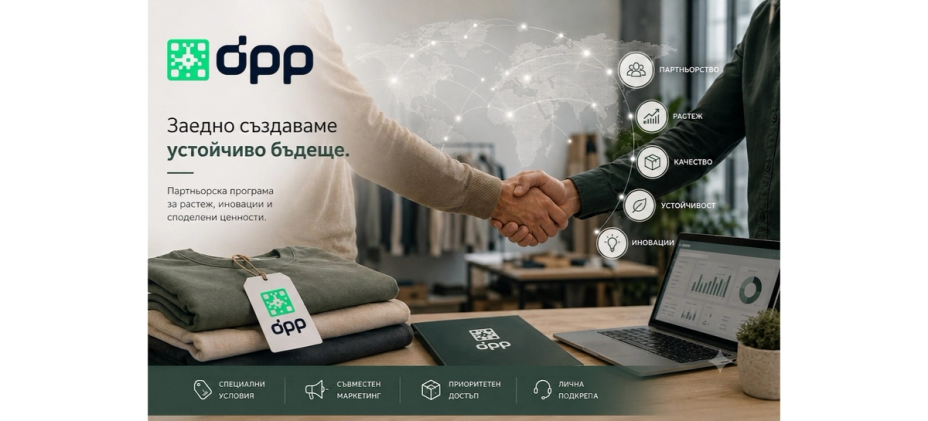
WIARA launches the DPP Partner Program — a new business model for consultants and agencies
 Anita Kisimova-Dzakova••3 min read
DPP for importers: Why responsibility for the passport is yours, even if you didn't make the product
 Anita Kisimova-Dzakova••5 min read
DPP and EPR: How Extended Producer Responsibility Is Changing for Manufacturers
 Anita Kisimova-Dzakova••9 min read
Cybersecurity and the DPP: How to protect Digital Product Passports from hackers and counterfeits
 Anita Kisimova-Dzakova••7 min read
DPP and ERP: How to Automate the Digital Product Passport Without Operational Chaos
 Anita Kisimova-Dzakova••6 min read
"Made in Europe" + DPP: A Premium Image on International Markets
 Anita Kisimova-Dzakova••6 min read
EU funding for Digital Product Passport projects
 Anita Kisimova-Dzakova••6 min read
"The Ostrich Strategy": How the Lack of DPP Can Bankrupt Your Business
 Anita Kisimova-Dzakova••8 min read
End of "Greenwashing": The Digital Passport Revolution
 Anita Kisimova-Dzakova••8 min read
Trade Secret vs. Transparency: Security in the DPP Era
 Anita Kisimova-Dzakova••5 min read
DPP and Ethics: The Future of Transparent Manufacturing
 Anita Kisimova-Dzakova••5 min read
The Future of DPP: What Innovations to Expect in the Next 5 Years?
 Anita Kisimova-Dzakova••5 min read
A Comparison of Regional Approaches to DPP in Europe and the USA
 Anita Kisimova-Dzakova••5 min read
DPP in Education: The Path to Sustainable Development
 Anita Kisimova-Dzakova••5 min read
Digitalization of Supply Chains with DPP
 Stefan Dyankov••6 min read
A Wardrobe Revolution: The Digital Passport as an Engine of Textile Innovation
 Stefan Dyankov••6 min read
End of "Buy and Throw Away": The Digital Product Passport Revolution
 Kiril Shivachev••2 min read
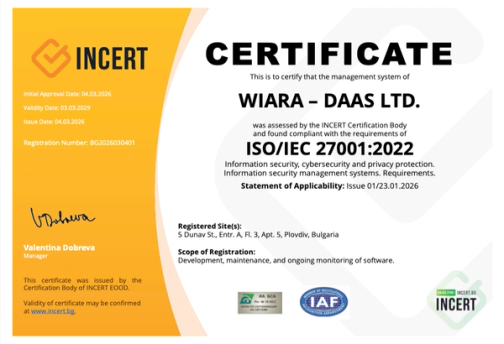
WIARA Is Now ISO 27001 Certified
 Stefan Dyankov••5 min read
DPP and Re-commerce: How the Passport Will Change Europe's Second-Hand Market
 Kiril Shivachev••6 min read
How can SMEs implement digital passports on a budget?
 Stefan Dyankov••6 min read
From compliance to competitive advantage: How to use DPP for green marketing
 Kiril Shivachev••4 min read
DPP as a Tool for Competitive Advantage
 Kiril Shivachev••7 min read
The Digital Product Passport in the Textile Industry and the Future of RFID Threads
 Kiril Shivachev••8 min read
The Digital Product Passport (DPP) – the new digital identity card of products
Have questions about implementing DPP in the textile industry?
WIARA is here to help you with the complete process