How much does a Digital Product Passport cost in 2026?


'How much does a Digital Product Passport cost?' is the first question almost every business asks. The honest answer is: it depends — not because we want to dodge the number, but because a Digital Product Passport is not a single item with a price tag, but a system: data, platform, registration and maintenance. This article breaks down the real cost structure so you can estimate it for your case.
Why there is no single price
The cost of a DPP is driven by several factors at once: how many products (models) you place on the market, how ready your data is, whether you integrate with existing systems, and — most importantly — whether you build it yourself or outsource to a provider. Two businesses with the same number of products can end up with very different bills depending on these factors.
What the price is made of
Whichever solution you choose, the cost breaks down into the same items:
- Setup — the one-off preparation of the process and templates for your products.
- Data — collecting and structuring composition, origin, carbon footprint, recycled content. This is often the biggest and most underestimated item.
- Platform / subscription — a monthly or annual fee for the system that creates and stores the passports.
- Issuing and registration — creating the passports and the link to the EU registry; some models charge per passport, others include it.
- Integration — connecting to your ERP/PLM systems if you want the data to flow automatically.
- Maintenance — updates on every change in the regulation (and they will be frequent through 2030).
The three pricing models
Your own software (build it yourself) — a high upfront investment: development, an in-house regulatory team and constant maintenance. Suitable if you have a large IT department and very specific needs.
SaaS platform — you buy a ready tool and operate the passports yourself. You pay a predictable subscription, but the work on data and compliance stays with you. See what the WIARA platform looks like in practice.
DPP provider (outsourced) — the provider carries the burden: data, registration, maintenance. You pay a predictable subscription instead of a large upfront investment. Our specific packages are on the Pricing page.
The hidden costs everyone forgets
When you compare offers, look beyond the software fee. The real cost includes:
- The data — the slowest item. Carbon footprint and origin are collected up the chain from suppliers and are not gathered in a week.
- Maintenance — every change in the law means rework; with your own solution that is your cost forever.
- The risk of non-compliance — a product without a valid passport after the deadline cannot be sold on the EU market. A blocked market is the most expensive scenario.
- Time — with your own build it is months to readiness; with a provider it is days to weeks.
What affects your price the most
If you want a rough estimate for yourself, these factors weigh the most:
- Granularity — a passport per model, per batch or per individual item. The item level is the most expensive.
- Number of products and complexity — a simple good is cheap; electronics with many components and substances is expensive.
- Data readiness — structured in a system (ERP) is cheap to prepare; scattered across emails and Excel is expensive.
- Regulatory category — batteries have the strictest requirements and the nearest deadline; other categories are lighter.
- Number of languages and markets — more markets means more translations and versions.
How to estimate for your case
Practically, in three steps: (1) count your products/models; (2) assess how ready your data is; (3) choose a model based on volume, resources and deadline. In two minutes you can check whether you are even in scope with our 'Do I need a DPP?' questionnaire, and for a concrete figure — book a free consultation.
The takeaway
The cheapest DPP is the one you start early. The expensive part is the data, and it is slow to collect — so last-minute preparation is the most expensive scenario, while an early start turns the requirement into a predictable cost and even a competitive advantage. ESPR sets the framework; the only question is when you will act.
This article explains the models and the factors without giving figures. If you want the numbers: How much does a Digital Product Passport cost — WIARA's published prices, with a date.
Explore the solutions
Solutions by your role in the chain
DPP for Manufacturers
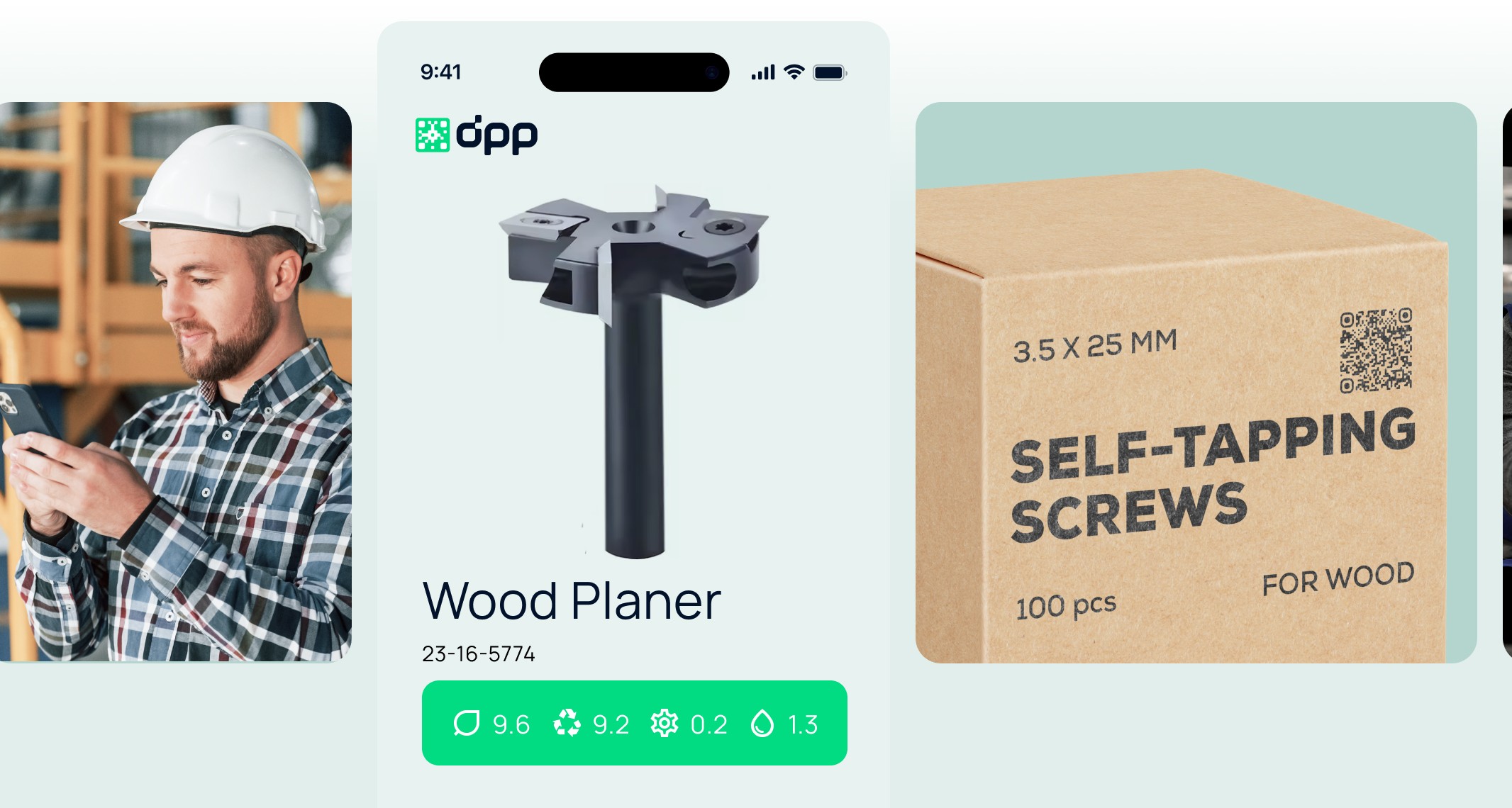
Manufacturers create and maintain DPP, prove compliance and sustainability, earn trust and improve their processes.
DPP for Importers
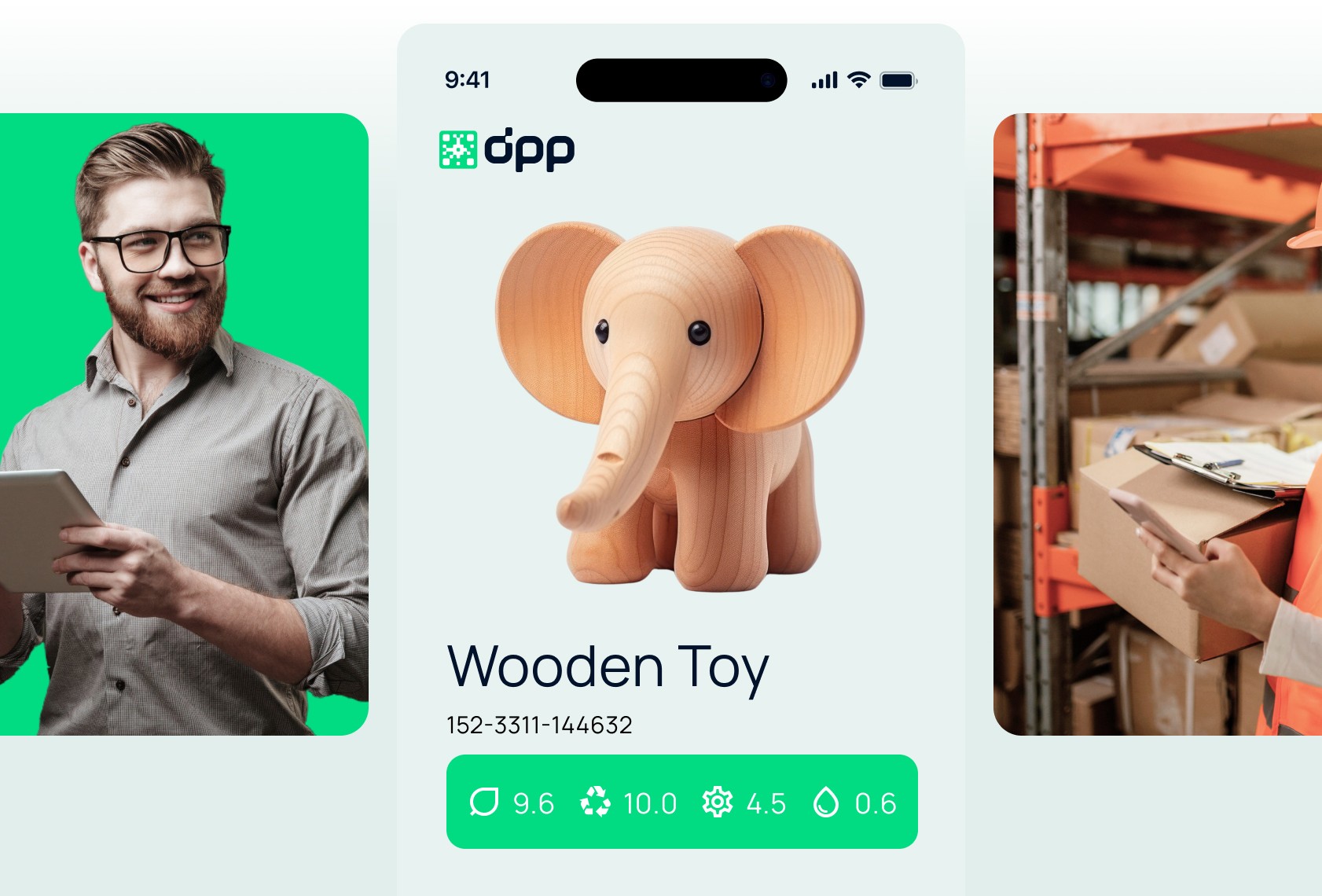
Importers ensure a valid DPP for every product and provide EU market access without risk of sanctions and delays.
DPP for Retailers and Service Centres
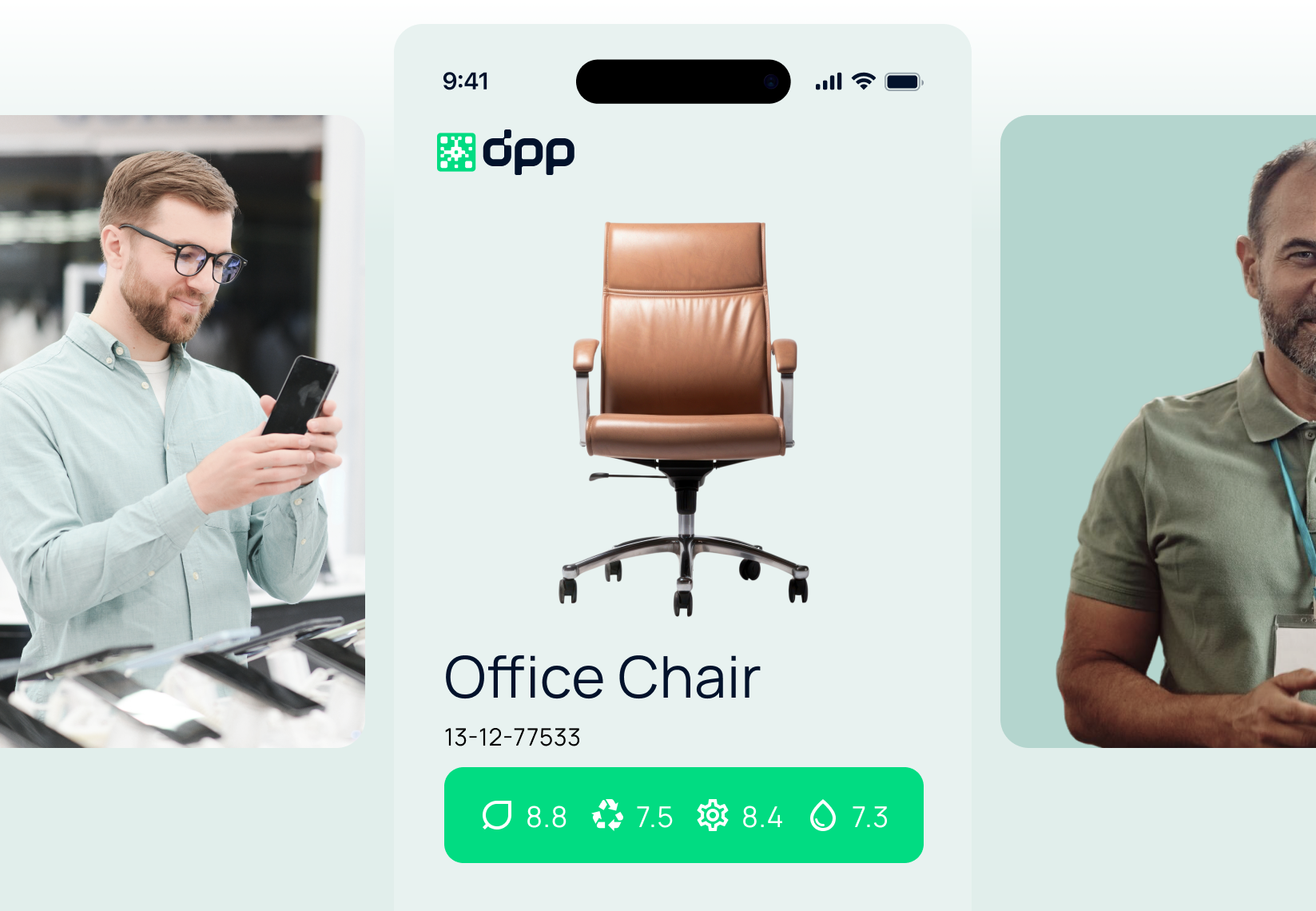
DPP simplifies warranties, repairs and product tracking. Retailers and service centres receive accurate information for higher quality service.
DPP cost
Frequently asked questions

Rarely, once you count the full cost — team, development, maintenance and risk, not just a software licence. An outsourced provider spreads that into a predictable subscription. See the comparison 'DPP provider or your own software'.
It depends on the model. Some providers charge per issued passport, others include an unlimited number in the subscription. So with many products the billing model matters as much as the price.
Almost always the data — collecting and structuring composition, origin and carbon footprint, not the software. That is why your data readiness affects the cost more than anything else.
Digitalisation and sustainability often fall within the scope of European and national funding programmes. It is worth checking the current schemes — sometimes a significant share of the cost can be covered.

Want a concrete figure for your case?
Book a free 30-minute consultation — we'll review your volume, data and deadline and give you a real estimate.