EORI number
Your customs identifier — and why it is not your identifier in the DPP registry
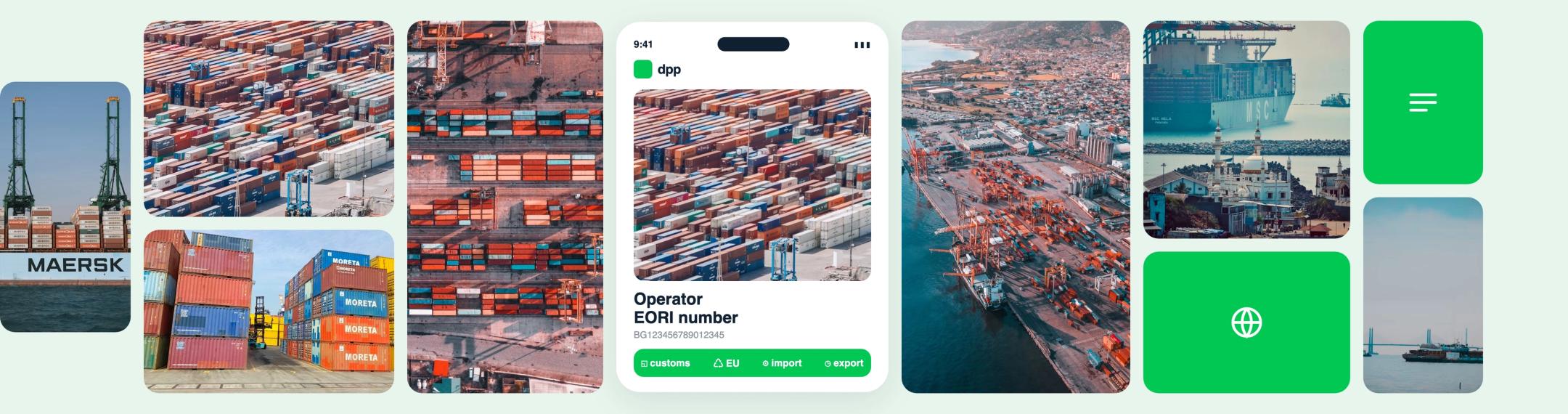
EORI (Economic Operators Registration and Identification) is the unique number customs authorities across the EU use to recognise an economic operator. It is issued once, by the Member State where the operator is established, and is valid in all the others. Without an EORI you cannot lodge a customs declaration to import or export.
As the Digital Product Passport approached, an expectation spread that EORI would also serve as the identifier in the EU registry. It does not — and the difference changes how you should prepare your processes.
What does an EORI number mean for your digital product passport?
EORI identifies your company at the border. It is not your identifier in the EU passport registry, which generates its own, and the product is identified separately, usually by a GTIN. Importers will typically need both an EORI and passports for the goods they bring in.
Creating a passport in DigitalProductPassport by WIARA takes a GTIN, not an EORI: the GTIN becomes the passport's GS1 Digital Link address. Customs data you already file overlaps with what a passport holds, whether you are the importer or the manufacturer supplying them. Open a demo passport or check whether your product needs one.
In short
One number for the whole Union
EORI is issued by your Member State of establishment and recognised by customs in every other. You do not need a separate number per country you trade in.
The adopted text names no EORI
The Implementing Regulation on the DPP registry names neither EORI nor EOID nor LEI nor any GS1 scheme as the mandatory identifier of the registered economic operator.
The registry mints its own identifier
The registration identifier is generated by the registry itself. Do not build your process around the assumption that you will submit a pre-existing external number.
EOID is a separate class, not EORI
EN 18219 defines EOID (economic operator identifier) and FID (facility identifier) as classes distinct from the product identifier. EOID builds on GLN, not on EORI.
How DigitalProductPassport by WIARA uses this
An EORI number identifies the company at the border; a passport identifies the product on the shelf. Importers usually need both, and the customs data you file anyway overlaps with what the passport holds.
DigitalProductPassport by WIARA is a cloud platform built by WIARA, a software company. It builds each passport around the identifier you already use, issues a GS1 Digital Link URL with a permanent QR code for the label, and serves the same data as JSON-LD for machines and as an accessible page in 24 EU languages.
The free plan covers 3 passports in total. What the platform does is set out on the product page, and the plans and their limits are on pricing.
EORI number
Frequently asked questions

Because both systems describe the same subject — the economic operator — and the summarising layer in trade press collapses them. The primary text does not connect them.
You apply to the customs authority of the Member State where your business is established. The number is typically formed from the country code plus your national company identifier.
Related solutions
Solutions
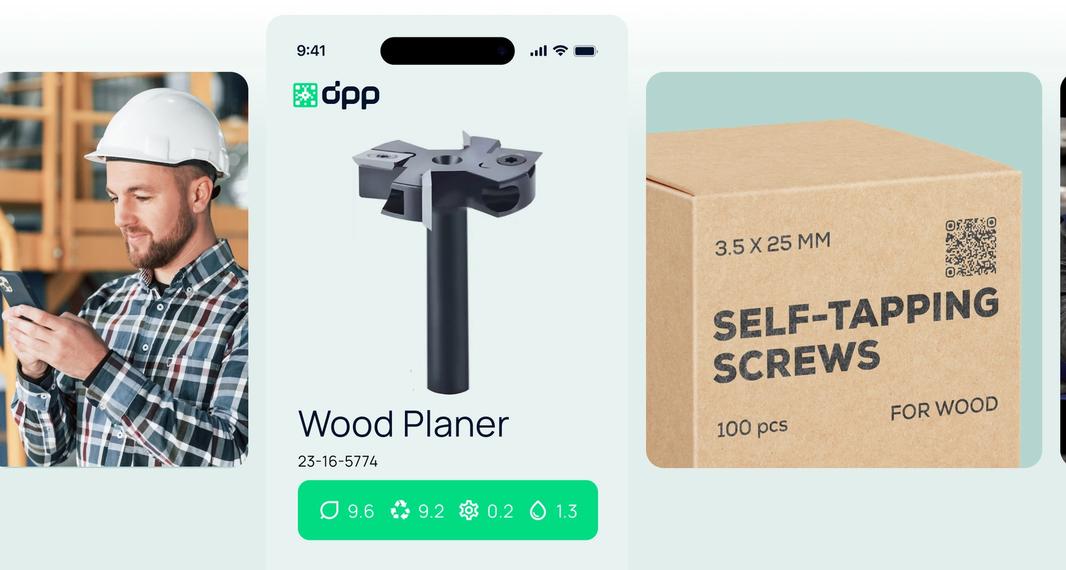
DPP for Manufacturers
Manufacturers create and maintain DPP, prove compliance and sustainability, earn trust and improve their processes.
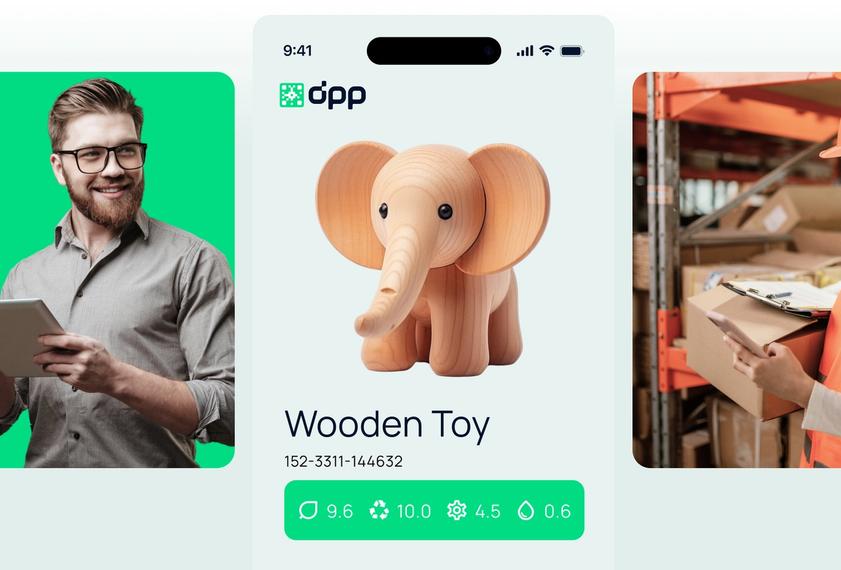
DPP for Importers
Importers ensure a valid DPP for every product and provide EU market access without risk of sanctions and delays.
DPP for Retailers and Service Centres
DPP simplifies warranties, repairs and product tracking. Retailers and service centres receive accurate information for higher quality service.