Digital product passport for toys: the passport is the declaration

From 1 August 2030, a toy without a digital product passport cannot be placed on the EU market. For toys, the passport itself becomes the declaration of conformity.
The change is bigger than it sounds. For textiles, furniture and steel, the passport adds new data to the product. For toys, it replaces the document in which the manufacturer currently declares that the toy is safe and complies with EU rules. If you manufacture or import toys, or sell them online, the change affects you too, and some of the preparation can start now.
What exactly does Regulation (EU) 2025/2509 require for the toy passport?
The Toy Safety Regulation (EU) 2025/2509 was adopted on 26 November 2025 and published in the Official Journal of the European Union on 12 December 2025. Article 19(1) is short: before placing a toy on the market, the manufacturer creates a digital product passport for it.
Recital 54 of the Regulation explains why: the passport is to replace the EU declaration of conformity under Directive 2009/48/EC. The Directive itself is repealed with effect from 1 August 2030 (Article 56). For toys, then, there will be no period in which a separate declaration and the passport are both legally in use. The old regime ends on the day the new one begins.
The Regulation entered into force on 1 January 2026, but only certain provisions apply from that date, mainly those on conformity assessment bodies. The passport obligation in Article 19 is not one of them; it applies from 1 August 2030. Some sources claim that the toy passport is mandatory as early as 2026. It is not.
What an inspector will see in a toy's passport
A toy's digital product passport carries the legal weight of the declaration of conformity. The manufacturer should therefore prepare it the way the market surveillance authority will read it, starting from what an inspector sees after scanning the code.
When an inspector checks a toy after 2030, the passport is the first thing they will reach. There will be no folder of declarations. The passport therefore has to be accurate on the day the toy is placed on the market and remain accessible after the toy has been sold. If the company changes software provider or closes down, the data must not disappear with it.
The Regulation also tightens the requirements the passport refers to. The bans on hazardous substances are extended to PFAS and endocrine disruptors, and the safety assessment has to cover all risks before the toy reaches the market. Since the passport is the declaration, it is in the passport that the manufacturer states these requirements have been met.
Electronic toys bring several declarations together in one passport
Article 19(5) of Regulation 2025/2509 allows the toy passport to carry the declarations of conformity under other EU acts as well. The list is long: the Cyber Resilience Act, the Radio Equipment Directive, the rules on electromagnetic compatibility, low voltage and RoHS, the Artificial Intelligence Act and the rules on unmanned aircraft systems (2019/945).
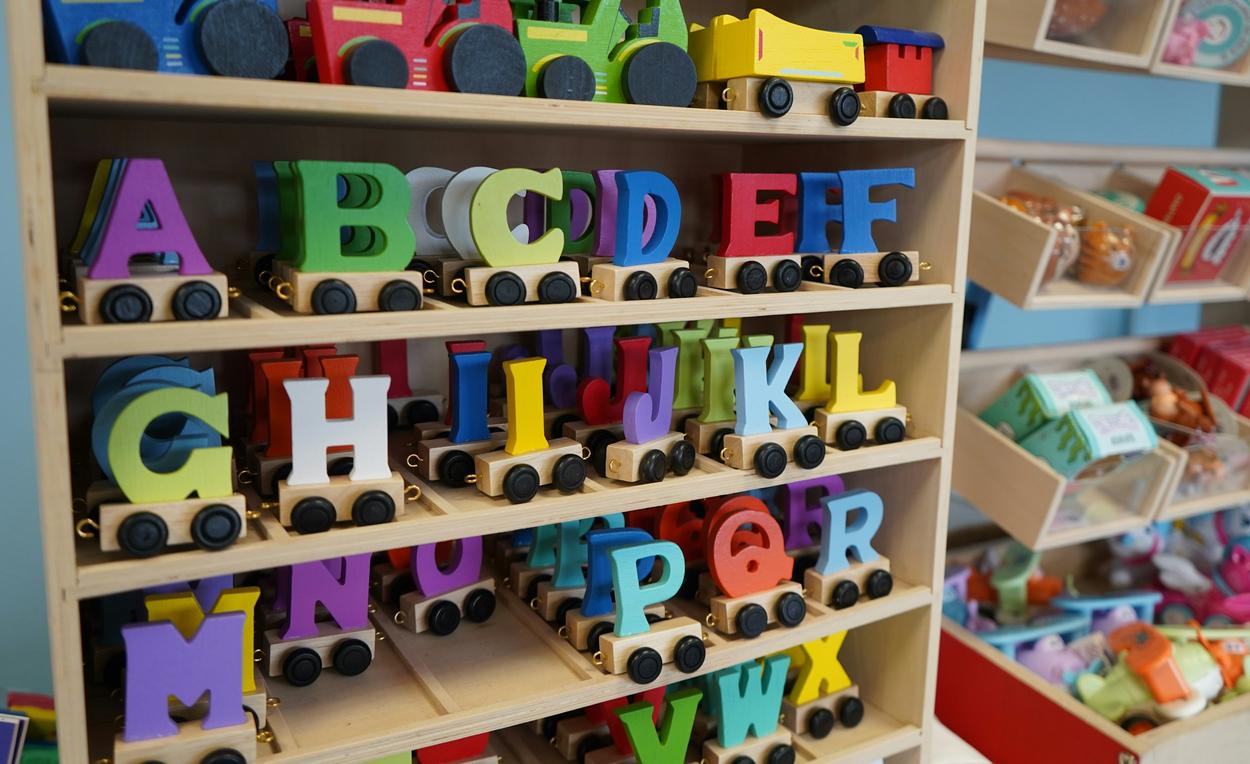
A maker of wooden toy trains can safely skip this provision. A radio-controlled car, a talking doll or an educational robot is another matter: a toy like that may have three or four separate declarations today. After 2030 they can be brought together in one passport behind a single QR code.
The Cyber Resilience Act comes first. Its reporting obligations apply from 11 September 2026 and its other requirements from 11 December 2027. A manufacturer of a connected toy will have to prepare the documentation it requires nearly three years before the passport. It makes sense to organise that documentation so that it can go into the passport later without being rewritten.
What is still undecided about the toy passport
The technical details of the digital product passport for toys have not yet been adopted. Article 49 of Regulation 2025/2509 leaves it to the Commission to lay down, by means of a delegated act, the data carrier, the access rights and the standards on which the passport is built. That act will apply no earlier than 18 months after its entry into force. As of the end of October 2026, we have found no published draft.
So nobody can give you the full list of fields for a toy passport today. That list will be set by the delegated act and the standards it refers to. Anyone who says otherwise is guessing.
What we do know is what the passport will rest on. The declaration of conformity is already based on specific documents: the safety assessment, EN 71 test reports, data on chemical composition and materials, warnings and age grading. You will need the same documents after 2030. Only the place where they are kept will change.
Importers and online sellers are in scope too
The toy passport is created by the manufacturer (Article 19(1) of Regulation 2025/2509), but the Regulation also places obligations on importers and distributors as economic operators. The rules are the same whether a toy is made in the EU, imported from a third country or sold online.
For a company that imports toys and sells them in its own shop or online, this means specific questions for the supplier. Will the factory in Asia be able to provide the data the passport is built from? In which language? Who will maintain the passport if the supplier stops working with you? It is easier to write the answers into the contract in 2027 than to settle them in July 2030.
What you can put in order now
Preparation for the toy passport can start before the delegated act, because the first step is knowing what you have. Start with three things:
- An inventory of your models. Which toys you place on the market, which will still be on sale after 2030, and which of them are electronic or connected.
- The documents behind each declaration. Where the test reports, the safety assessment and the substance data are kept. If they are scattered across emails and scanned PDFs, now is the time to bring them together in one place.
- Supplier data. Which of it comes from third countries, and whether the supplier can provide it in a structured format.
To show what this looks like in practice, we built a sample passport for a wooden toy train: safety assessment, EN 71 testing, materials and chemical substances, split into a public section for parents and a section for market surveillance authorities. Our platform publishes every passport in all 24 official EU languages, so a toy sold in several countries does not need a separate translation for each market.
From 1 August 2030, the toy passport is a legal document
The digital product passport for toys is the first case in EU law in which the passport expressly replaces the declaration of conformity. The date is 1 August 2030, the legal basis is Article 19 of Regulation (EU) 2025/2509, and the technical details await a delegated act under Article 49.
There seems to be plenty of time before 2030. For a manufacturer of electronic toys who has to deal with the Cyber Resilience Act in the meantime, or an importer who has to negotiate with suppliers outside the EU, there is less time than it appears.
For more on the Regulation, see our Toy Safety Regulation page; for how we build toy passports, see DPP for Toys. If you would like to go through your models and documents with us, get in touch.