EPR — extended producer responsibility
Who pays for a product at end of life, and why textiles are next
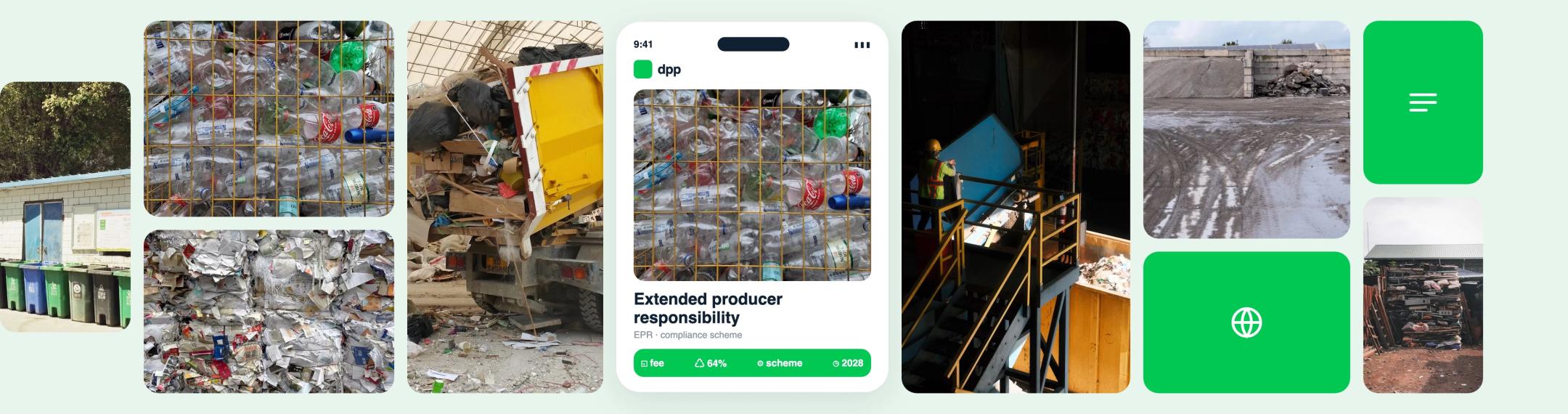
Extended producer responsibility (EPR) is the principle that whoever places a product on the market also carries the financial or organisational responsibility for its end of life — collection, sorting, recycling. In practice it means a fee to a producer responsibility organisation, calculated from the quantity and type of material you placed on the market.
EPR is older than the Digital Product Passport, but the two now meet: passport data is exactly what a modulated fee is calculated from.
What does EPR mean for your digital product passport?
EPR fees are modulated by how easily a product is recycled, how much recycled content it carries and how long it lasts. A passport holds that data per product, so the fee can rest on evidence instead of coarse averages. Textile schemes are due by April 2028, which puts textile producers first in line.
Manufacturers and importers placing products on the market both pay. DigitalProductPassport by WIARA keeps recycled content, durability and composition as structured fields per product rather than in PDFs, so the evidence for a fee sits in one record. Open a demo passport or check whether your product needs one.
In short
Textiles — by April 2028
The revised Waste Framework Directive requires Member States to set up EPR schemes for textiles. That deadline binds the states; what you actually owe depends on the national scheme.
Packaging — from August 2026
Packaging EPR under the Packaging Regulation applies earlier. Textile producers frequently fall into both schemes at once — one for the product, one for its packaging.
The fee is modulated
Fees are not flat. They are modulated by how easily the product is recycled, how much recycled content it carries and how long it lasts — that is, by data the passport already holds.
EU level and national level
The principle and the deadlines are settled at EU level. Rates, scope and administration are set nationally and differ between Member States.
Publish this passport with DigitalProductPassport by WIARA
EPR fees are calculated from material composition and recyclability, the same fields a passport already carries for every item you sell.
DigitalProductPassport by WIARA is a cloud platform built by WIARA, a software company. You enter the product data once; the platform publishes a passport page with a permanent QR code and a GS1 Digital Link URL, in all 24 official EU languages, keeping public, professional and authority fields apart. ESPR and CPR templates come ready made.
The free plan covers 3 passports in total. What the platform does is set out on the product page, and the plans and their limits are on pricing.
EPR — extended producer responsibility
Frequently asked questions

No. Packaging EPR covers the packaging. Textile EPR covers the product itself. They are separate obligations with separate fees.
The passport holds composition, recycled content share and end-of-life instructions. That is the evidence base for a modulated fee, instead of it being estimated from coarse averages.
Related solutions
Solutions

DPP for Textiles
DPP provides traceability from fibre to recycling, proves brands' sustainability, and inspires consumer confidence.
DPP for Manufacturers
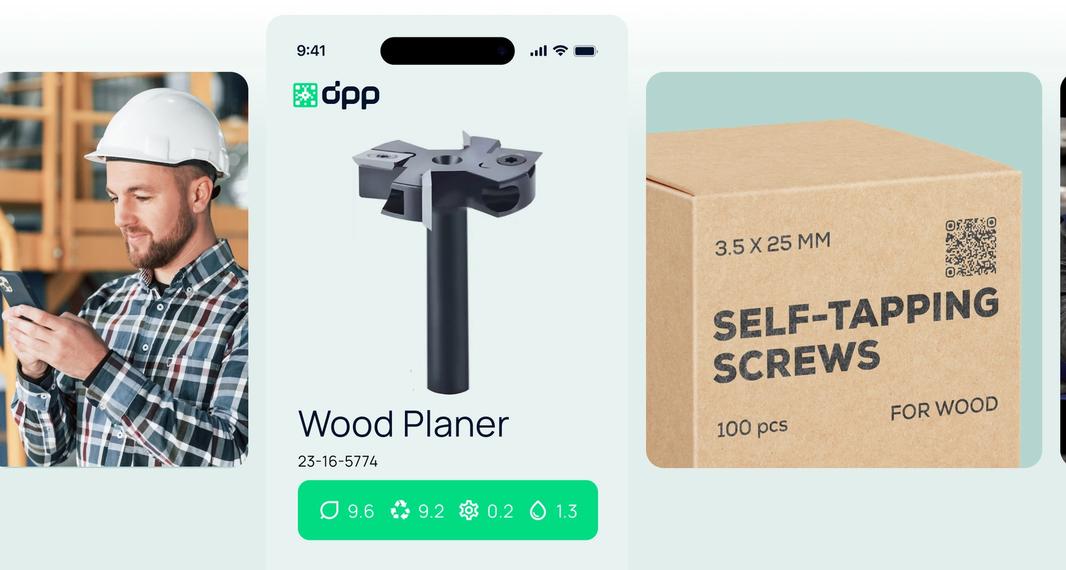
Manufacturers create and maintain DPP, prove compliance and sustainability, earn trust and improve their processes.
DPP for Importers
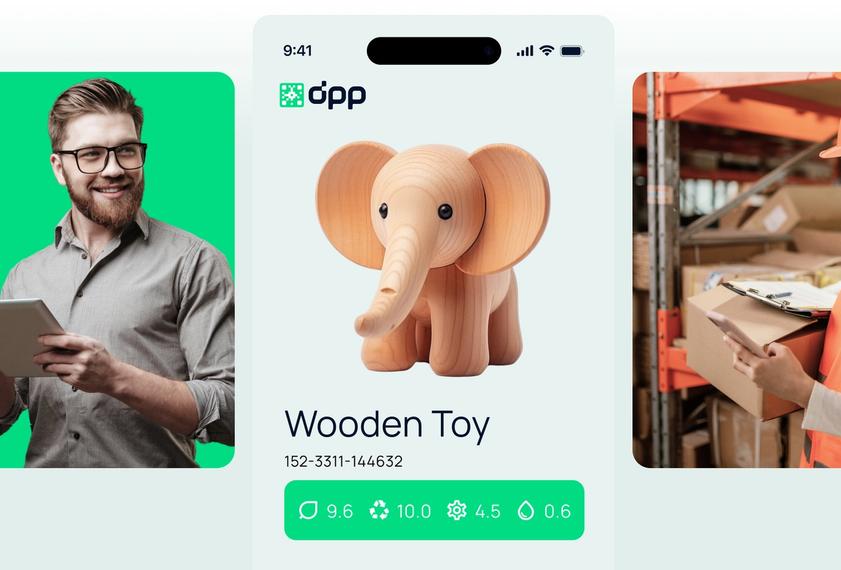
Importers ensure a valid DPP for every product and provide EU market access without risk of sanctions and delays.