DPP and Re-commerce: How the Passport Will Change Europe's Second-Hand Market
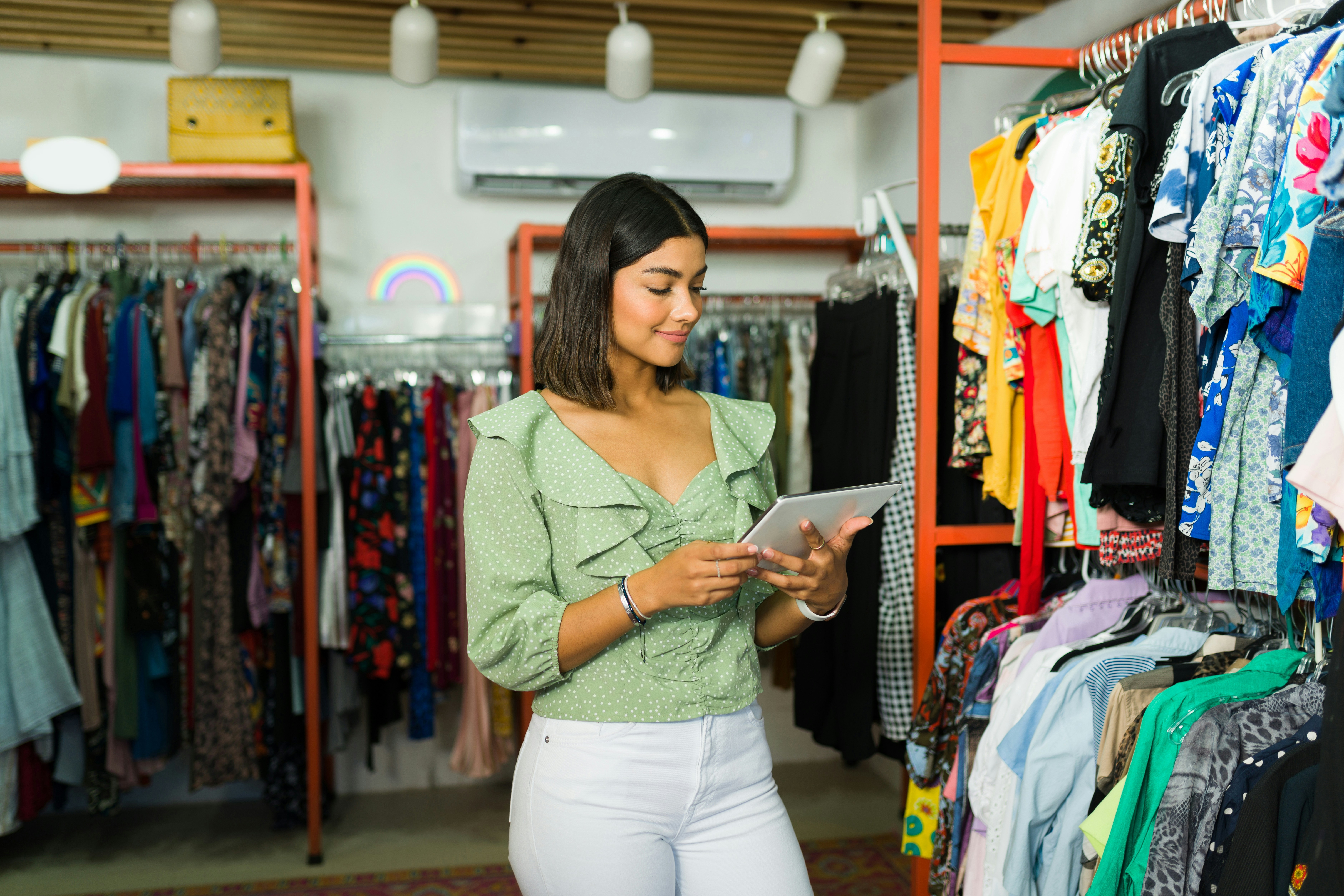
Second-hand is no longer a niche in Europe. Resale apps for clothing and electronics, vintage and charity shops, and the B2B trade in refurbished equipment all belong to the same growing market. At the same time, the European Union is introducing the Digital Product Passport as a tool for sustainability, the circular economy and transparency.
At first sight the DPP looks like a rule for new products. Yet the second-hand market may be one of the places it changes most, because it changes how the quality, origin and remaining value of a used product are proven.
This article looks at what the passport means for the used-goods market: the opportunities for resellers and platforms, the obstacles, and the effect on consumers.
What does the DPP have to do with the second-hand market?
From "what it looks like" to "what its history is"
Used goods have always been sold on appearance and on trust between seller and buyer. Buyers judge an item by eye, and information about its origin, repairs or real age is incomplete or passed on by word of mouth.
The passport works differently. A product becomes a carrier of data about its materials, use, repairs, service history and reusability, and that changes how the value of a used product is assessed.
A bridge between a product's first and second life
Longer product life is one of the aims of the Ecodesign for Sustainable Products Regulation (ESPR), the law behind the passport. Resale stops being a side effect and becomes a planned stage in a product's life. When product information is available and traceable:
- resale is easier
- repairs are more predictable
- residual value is clearer
How the passport changes trust in used goods
From "trust me" to "check it yourself"
Low trust holds back the trade in used electronics, household appliances and furniture in every European market. The passport replaces promises with information that can be checked. When a used product has one, the buyer can see:
- when the product was made
- what materials it contains
- whether and how it was repaired
- whether original parts were used
- recommendations for further use
That lowers the risk for the buyer and changes buyer behaviour.
Buyers pay more for a known history
One paradox of re-commerce is that better products are often harder to sell, because their quality cannot be proven. The passport addresses exactly that. A used product with a documented history, a service record and transparent information can sell for more than an anonymous equivalent.
Impact on the main re-commerce segments
Used electronics and appliances
This segment is likely to feel the effect early. Product data makes it possible to:
- track repairs and component replacements
- show energy-efficiency information
- record the condition of parts that wear, such as batteries
For refurbishers, that makes trust easier to build and sets a professional seller clearly apart from anonymous listings.
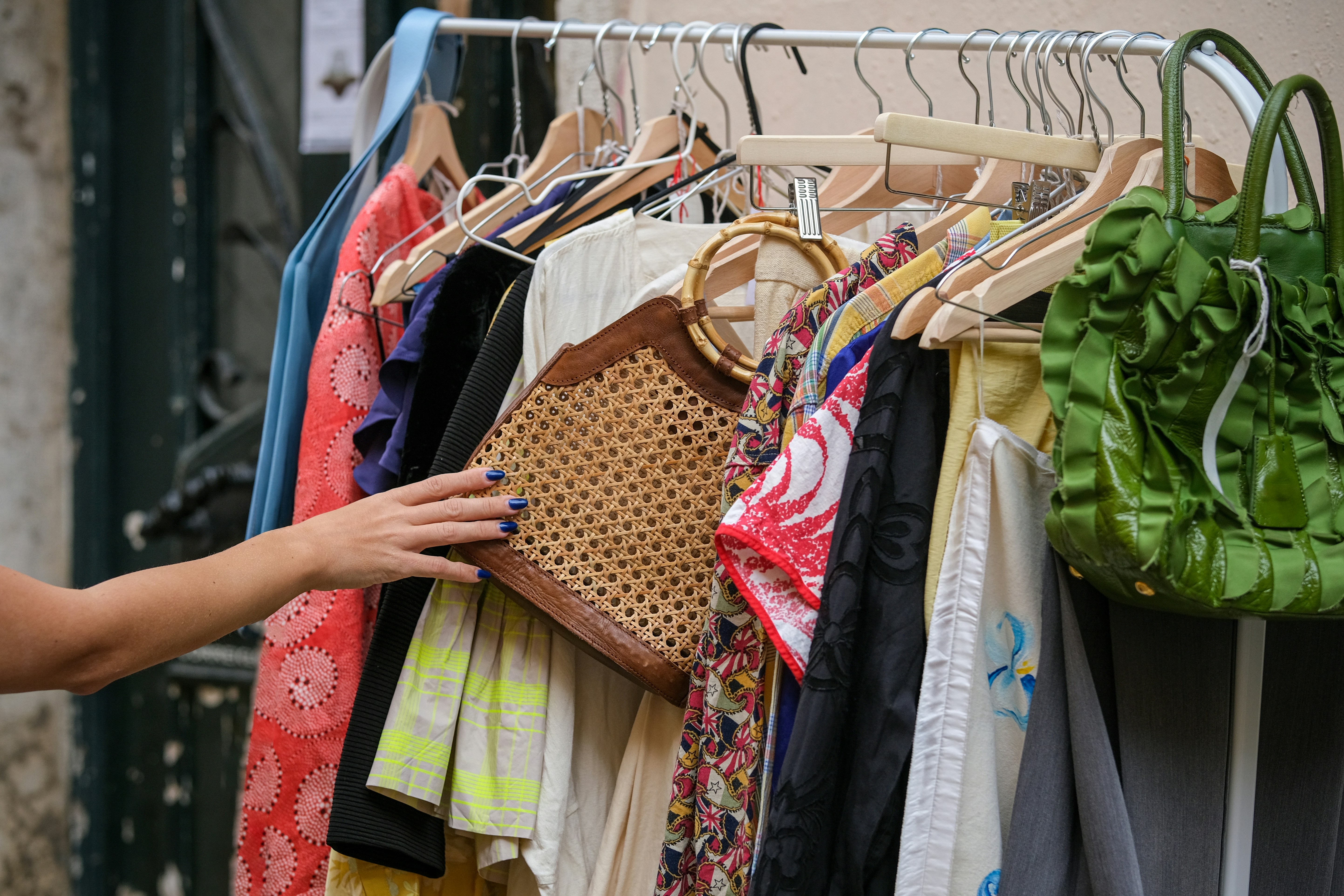
Second-hand clothing and fashion
Buying and selling pre-owned clothing is now routine for many European consumers, yet buyers rarely know:
- the material composition
- how durable the dyes and fabrics are
- whether the garment can be recycled
With a passport, resale platforms can show more than condition. They can show what a garment is actually worth.
Vehicles and spare parts
Vehicles fall under their own EU rules rather than the ESPR, but the same logic carries over. Traceable product data supports:
- better traceability of parts
- estimates of remaining service life
- a more transparent market for used parts
What the passport means for second-hand sellers
New requirements, and new opportunities
At first many sellers will see the passport as extra work: data, structure, processes. Used well, it becomes a competitive advantage.
Sellers who adopt the passport's logic early, show data instead of generic descriptions and teach their customers how to read a passport will stand out.
From a single sale to a service
The passport supports a shift from one-off sales to services such as repair, refurbishment and resale. Those business models are open to small sellers as well as large platforms.
The role of platforms and marketplaces
The passport as a listing standard
Online resale platforms will come under growing pressure to:
- accept structured product data
- let sellers attach passport information
- distinguish between products with and without a verifiable history
Over time, that makes the market more professional.
Fewer disputes, more certainty
Clear, traceable information reduces:
- returns
- disputes between buyer and seller
- the need for mediation
Challenges for resellers
Limited digital maturity
Many small resellers still work without structured data. Making use of passports will take:
- basic digitalisation
- some training
- a different way of thinking about stock
Costs and the transition period
There will be short-term costs in time, organisation and tools. They are far smaller than the risk of being left out of the market in the medium term.
How consumers will change
Better-informed choices
Many European consumers already weigh quality and sustainability when they buy. The passport gives them real data to act on instead of marketing claims.
A different attitude to "used"
When a product has a passport, second-hand stops meaning compromise and becomes an informed choice.
Re-commerce as a normal part of the market
Over time, the passport can move much of the second-hand trade out of the grey economy and into the formal one. For Europe, that means:
- less waste
- longer product lives
- a stronger market for repair and refurbishment services
Conclusion
The passport will change the second-hand market through transparency rather than bans. It makes a product's history visible, its value measurable and trust easier to earn.
For sellers it is a way to stand out. For platforms it is the basis for more durable business models, and for consumers it makes buying used a safer, better-informed choice. Re-commerce with passports is the next step towards a more mature and fairer market.
WIARA with a complete DPP solution
Our solutions
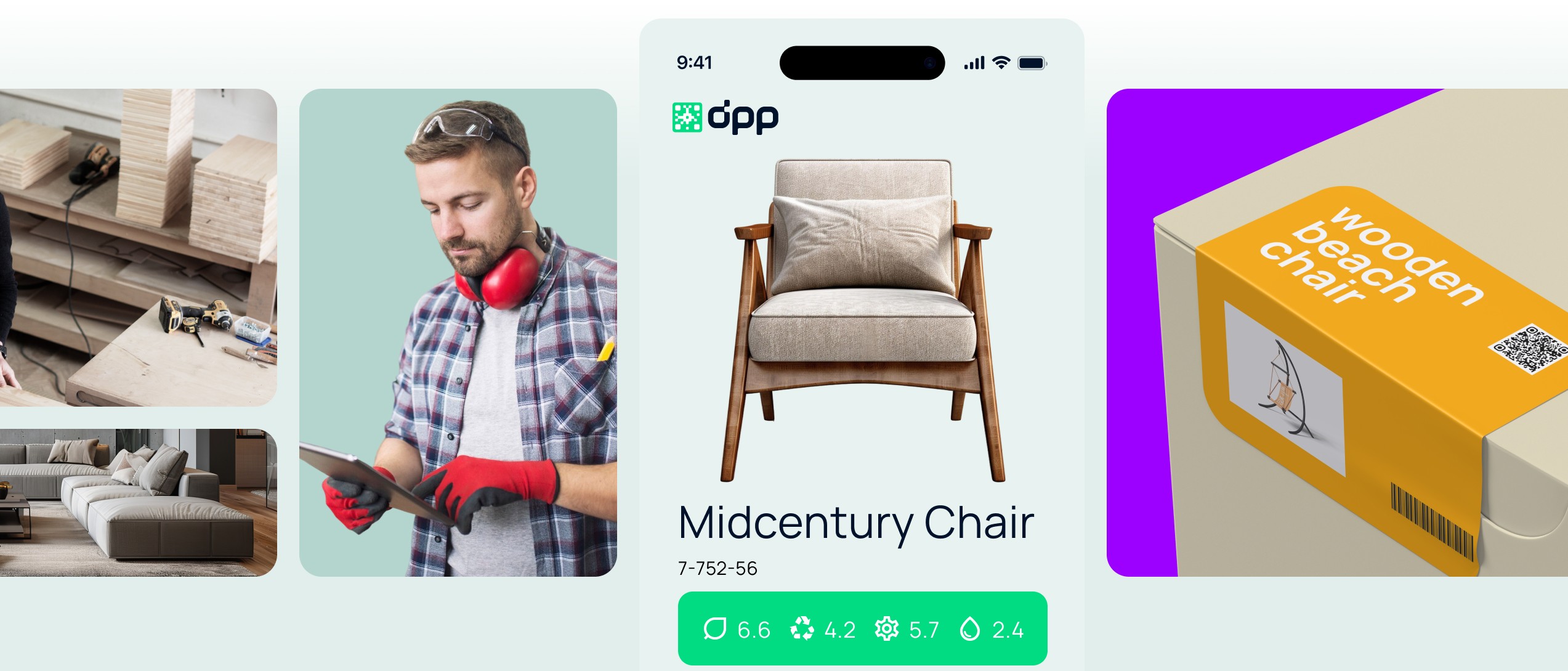
DPP for the Furniture Industry
DPP ensures transparency for the materials used, facilitates reuse and recycling. It proves the sustainability of production.
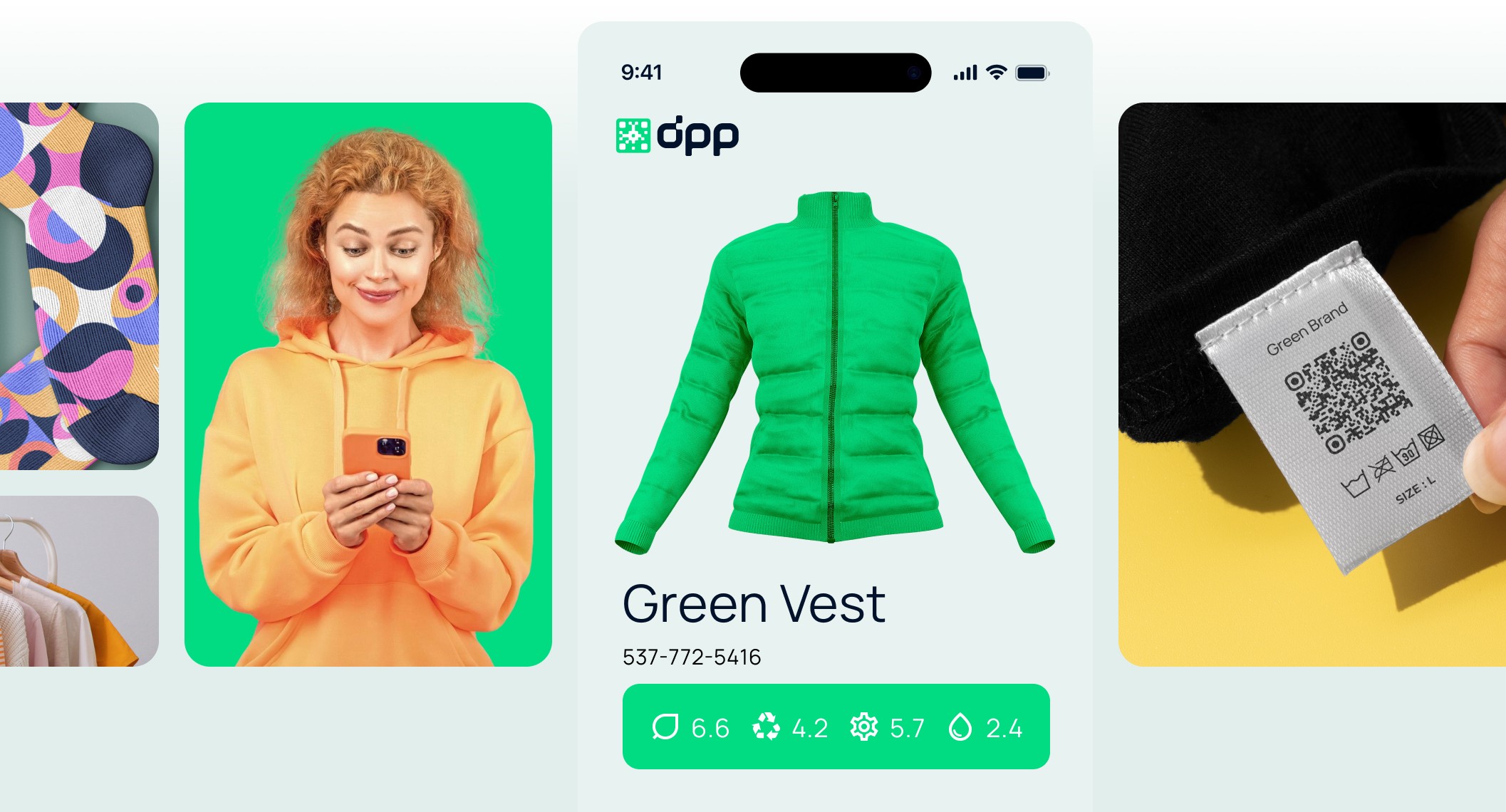
DPP for Textiles
DPP provides traceability from fibre to recycling, proves brands' sustainability, and inspires consumer confidence.
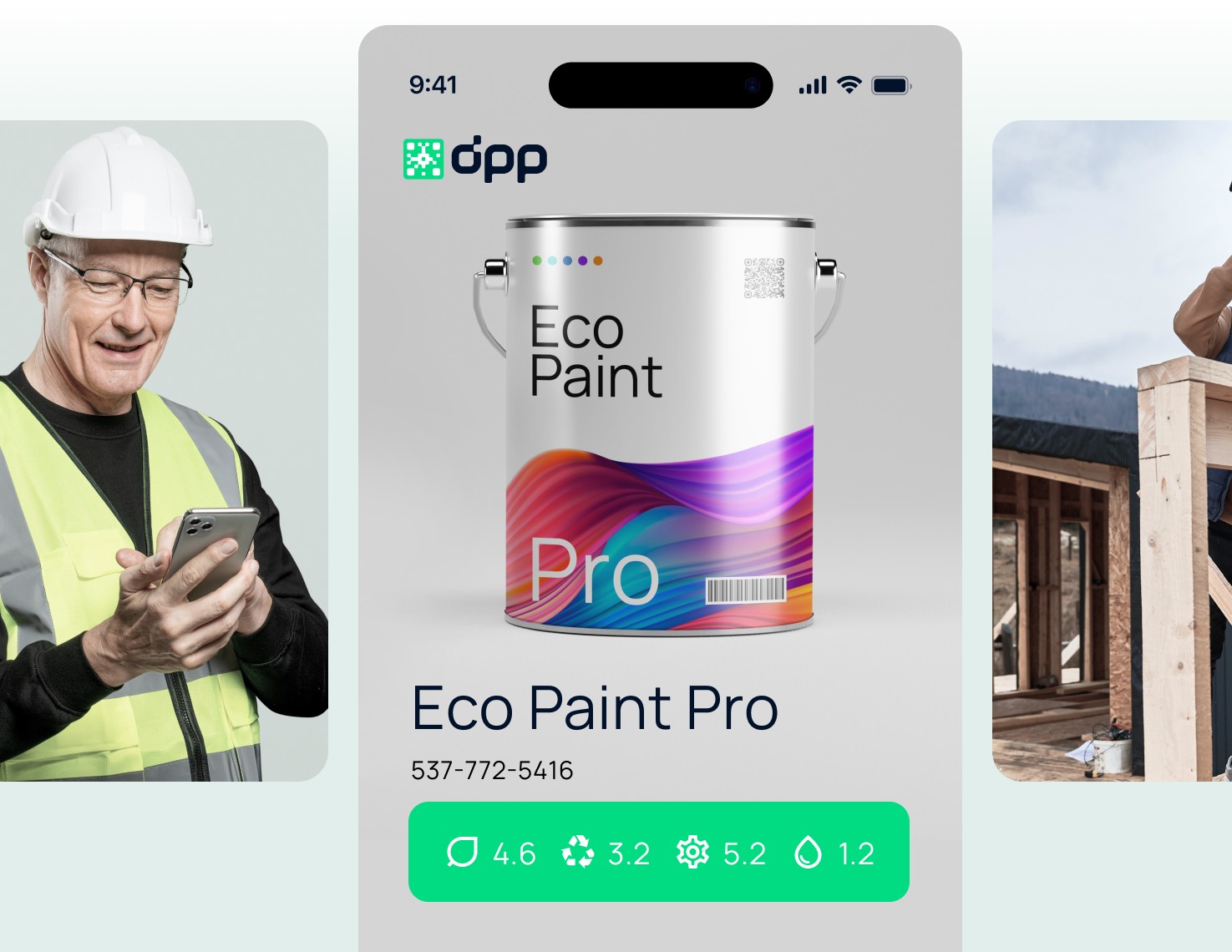
DPP for Construction Products
DPP ensures transparency for the composition and sustainability of construction materials, facilitating proof of origin and compliance with standards.
DPP
Frequently asked questions

DPP will not automatically increase the price of all used products. Instead, it will lead to clearer price differentiation. Products with a demonstrable history, clear information on condition and repairs, and available maintenance instructions will retain a higher residual value. On the other hand, items without any information will be harder to sell or trade at lower prices. This is especially relevant for electronics, appliances and more expensive textiles.
Yes, but not necessarily negatively. Small traders will not be directly required to create a DPP, but the market logic will change. Customers will gradually start looking for more information and transparency. Merchants who display the available data in an understandable way, explain the origin and condition of the goods, use QR codes or digital descriptions, will have an advantage over those who rely only on visual description and verbal assurances.
Products without a passport will not disappear overnight. The market will stay mixed for years, with goods that have a digital passport and goods that do not. The difference will be trust. As consumers get used to seeing a clear product history, they will ask more questions, and demand for completely "anonymous" used goods will fall, especially at higher price points.
One of the biggest problems in the re-commerce market is hidden defects, false claims of origin, manipulated information about the condition of the product. DPP does not completely eliminate these risks, but it significantly limits them by providing a verifiable database. When repairs, components and materials are documented, the possibility of misrepresentation is reduced.
On the contrary. In the long run, DPP will make the process easier and more secure. Instead of relying on subjective descriptions, users will be able to quickly verify key information via a QR code or digital profile. There will be an adaptation period, but in time "reading" a product passport will become as normal as checking specifications or reviews is today.
Latest DPP Articles

 Kiril Shivachev•August 20, 2026•5 min read
What a Digital Product Passport actually looks like — field by field

 Anita Kisimova-Dzakova•June 26, 2026•5 min read
Model, Batch or Item: Which DPP passport level do you actually need?
 Kiril Shivachev•June 24, 2026•5 min read
WIARA launches the DPP Partner Program — a new business model for consultants and agencies
 Anita Kisimova-Dzakova•June 15, 2026•4 min read
DPP for furniture: How to prove the sustainable origin of every board to the European buyer
 Anita Kisimova-Dzakova•June 4, 2026•9 min read
DPP Audit: Who Verifies Whether the Data in Your Passport Is Correct and What Are the Penalties?
 Anita Kisimova-Dzakova•May 29, 2026•6 min read
DPP in FMCG: How the digital passport ends silent packaging
 Anita Kisimova-Dzakova•May 18, 2026•9 min read
Cybersecurity and the DPP: How to protect Digital Product Passports from hackers and counterfeits
 Anita Kisimova-Dzakova•May 14, 2026•7 min read
DPP and ERP: How to Automate the Digital Product Passport Without Operational Chaos
 Anita Kisimova-Dzakova•May 7, 2026•6 min read
"Made in Europe" + DPP: A Premium Image on International Markets
 Anita Kisimova-Dzakova•April 27, 2026•6 min read
EU funding for Digital Product Passport projects
 Anita Kisimova-Dzakova•April 24, 2026•6 min read
"The Ostrich Strategy": How the Lack of DPP Can Bankrupt Your Business
 Anita Kisimova-Dzakova•April 20, 2026•8 min read
Digital Product Passport: the future of European furniture
 Anita Kisimova-Dzakova•April 7, 2026•5 min read
DPP and Ethics: The Future of Transparent Manufacturing
 Anita Kisimova-Dzakova•April 6, 2026•5 min read
The Future of DPP: What Innovations to Expect in the Next 5 Years?
 Anita Kisimova-Dzakova•March 31, 2026•5 min read
A Comparison of Regional Approaches to DPP in Europe and the USA
 Anita Kisimova-Dzakova•March 26, 2026•5 min read
DPP in Education: The Path to Sustainable Development
 Stefan Dyankov•March 6, 2026•6 min read
End of "Buy and Throw Away": The Digital Product Passport Revolution
 Kiril Shivachev•March 4, 2026•2 min read
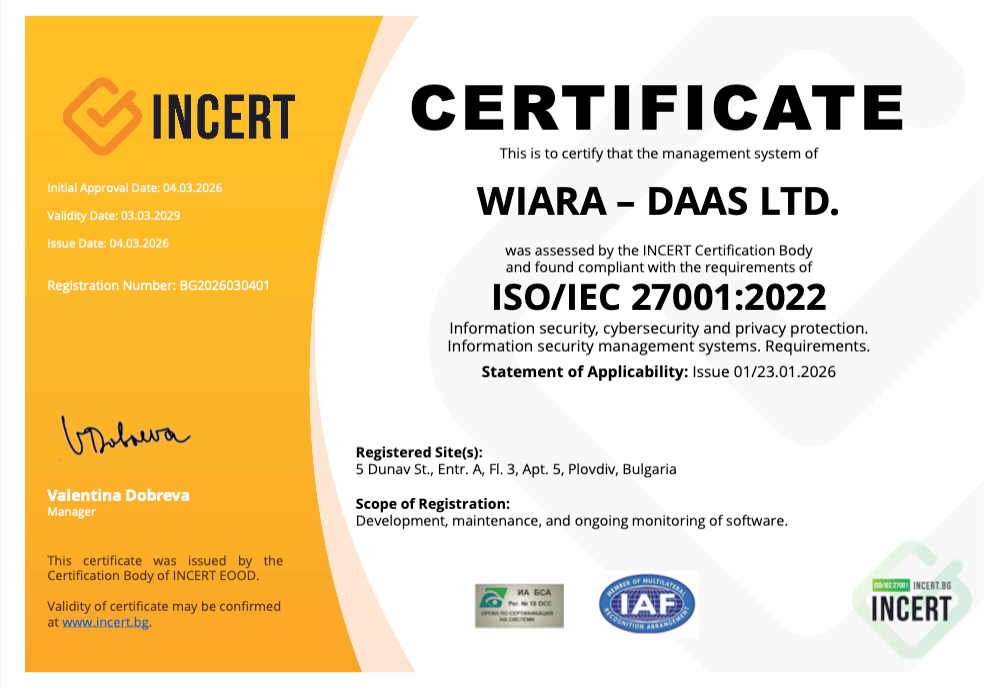
WIARA Is Now ISO 27001 Certified
 Kiril Shivachev•February 19, 2026•6 min read
How can SMEs implement digital passports on a budget?
 Stefan Dyankov•February 10, 2026•6 min read
From compliance to competitive advantage: How to use DPP for green marketing
 Kiril Shivachev•February 2, 2026•4 min read
DPP as a Tool for Competitive Advantage
 Kiril Shivachev•September 8, 2025•8 min read
The Digital Product Passport (DPP) – the new digital identity card of products
Give your products digital DNA
Ensure full transparency from production to second use. With WIARA's DPP solution, the history and originality of each product is just a QR code away.